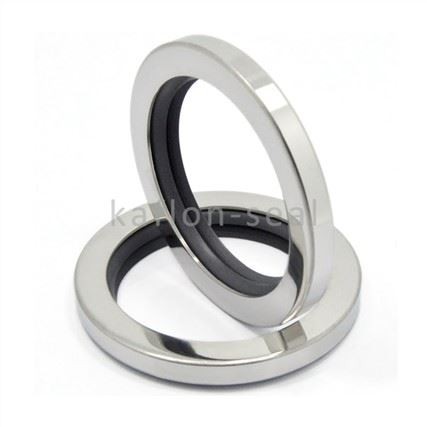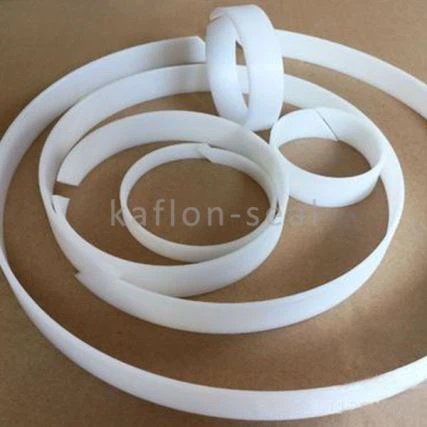

When it comes to hydraulic systems, piston seals play a pivotal role in ensuring efficient and reliable operation. As a trusted Hydraulic Piston Seal supplier, I've had the privilege of working with a wide range of materials, each with its own unique properties and applications. In this blog post, I'll delve into the commonly used materials for hydraulic piston seals, shedding light on their characteristics, advantages, and limitations.
Polyurethane (PU)
Polyurethane is one of the most popular materials for hydraulic piston seals, and for good reason. It offers a remarkable combination of high wear resistance, excellent elasticity, and good chemical resistance. These properties make it suitable for a variety of hydraulic applications, including mobile equipment, industrial machinery, and automotive systems.
One of the key advantages of polyurethane is its ability to withstand high pressures and temperatures. It can maintain its sealing performance even under extreme conditions, ensuring reliable operation and preventing leakage. Additionally, polyurethane has a low coefficient of friction, which reduces energy consumption and wear on the piston and cylinder walls.

Another benefit of polyurethane is its flexibility. It can conform to irregular surfaces and compensate for minor misalignments, providing a tight seal and preventing fluid leakage. This makes it ideal for applications where precise sealing is required, such as in hydraulic cylinders with complex geometries.
However, polyurethane does have some limitations. It is sensitive to certain chemicals, such as solvents and fuels, and can degrade over time when exposed to these substances. Additionally, it may not be suitable for applications where high-speed operation is required, as it can generate heat and wear out quickly under these conditions.
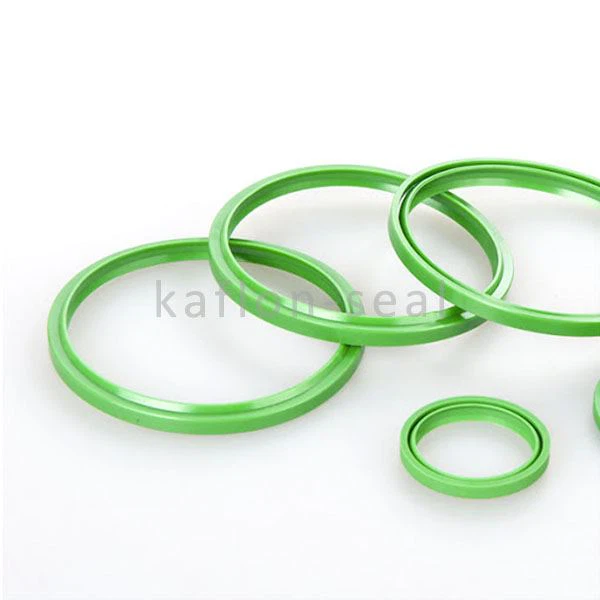
If you're looking for a high-performance hydraulic piston seal, consider our Piston Seal With PU Green. This seal is made from high-quality polyurethane and is designed to provide excellent sealing performance in a variety of hydraulic applications.
Polytetrafluoroethylene (PTFE)
Polytetrafluoroethylene, commonly known as PTFE, is another widely used material for hydraulic piston seals. It is known for its exceptional chemical resistance, low friction coefficient, and high temperature resistance. These properties make it suitable for applications where harsh chemicals, high temperatures, or low friction are required.
One of the main advantages of PTFE is its chemical resistance. It is inert to most chemicals, including acids, bases, and solvents, and can withstand exposure to a wide range of fluids without degrading. This makes it ideal for applications in the chemical processing, pharmaceutical, and food industries, where contact with corrosive substances is common.
Another benefit of PTFE is its low friction coefficient. It has a self-lubricating property, which reduces friction between the seal and the piston or cylinder wall, resulting in lower energy consumption and longer seal life. This makes it suitable for applications where high-speed operation or low friction is required, such as in hydraulic pumps and motors.
However, PTFE does have some limitations. It is relatively soft and can be easily damaged by abrasion or high pressures. Additionally, it has a high coefficient of thermal expansion, which can cause the seal to expand or contract with changes in temperature, leading to leakage.
To overcome these limitations, PTFE is often filled with other materials, such as bronze or graphite, to improve its strength and wear resistance. Our PTFE Filled With Brozen Glyd Ring Seal is a great example of a PTFE-based seal that has been enhanced with bronze filling to provide excellent wear resistance and sealing performance.
Polyoxymethylene (POM)
Polyoxymethylene, also known as POM or acetal, is a thermoplastic material that is commonly used for hydraulic piston seals. It offers a good balance of mechanical properties, including high stiffness, low friction, and excellent dimensional stability. These properties make it suitable for applications where precise sealing and low wear are required.
One of the key advantages of POM is its high stiffness. It has a low coefficient of thermal expansion, which means it can maintain its shape and dimensions even under changing temperatures and pressures. This makes it ideal for applications where precise sealing is required, such as in hydraulic cylinders with tight tolerances.
Another benefit of POM is its low friction coefficient. It has a self-lubricating property, which reduces friction between the seal and the piston or cylinder wall, resulting in lower energy consumption and longer seal life. This makes it suitable for applications where high-speed operation or low friction is required, such as in hydraulic pumps and motors.
However, POM does have some limitations. It is sensitive to certain chemicals, such as strong acids and alkalis, and can degrade over time when exposed to these substances. Additionally, it may not be suitable for applications where high temperatures are required, as it can soften and deform at elevated temperatures.
If you're looking for a high-performance hydraulic piston seal that offers excellent dimensional stability and low friction, consider our POM Guide Ring For Hydraulic. This guide ring is made from high-quality POM and is designed to provide precise guidance and support for the piston in hydraulic cylinders.
Rubber
Rubber is a versatile material that is commonly used for hydraulic piston seals. It offers a wide range of properties, including high elasticity, good chemical resistance, and low cost. These properties make it suitable for a variety of hydraulic applications, including general-purpose seals, gaskets, and O-rings.
One of the main advantages of rubber is its high elasticity. It can deform and recover its shape easily, providing a tight seal and preventing fluid leakage. This makes it ideal for applications where flexibility and resilience are required, such as in hydraulic cylinders with dynamic movements.
Another benefit of rubber is its good chemical resistance. It can withstand exposure to a wide range of fluids, including oils, water, and hydraulic fluids, without degrading. This makes it suitable for applications in the automotive, industrial, and marine industries, where contact with various fluids is common.
However, rubber does have some limitations. It is sensitive to certain chemicals, such as ozone and sunlight, and can degrade over time when exposed to these substances. Additionally, it may not be suitable for applications where high temperatures or pressures are required, as it can harden and lose its elasticity under these conditions.
To overcome these limitations, rubber is often compounded with other materials, such as carbon black or silica, to improve its strength, durability, and chemical resistance. There are also different types of rubber available, such as nitrile rubber (NBR), fluorocarbon rubber (FKM), and silicone rubber (VMQ), each with its own unique properties and applications.
Conclusion
In conclusion, the choice of material for hydraulic piston seals depends on a variety of factors, including the application requirements, operating conditions, and budget. Polyurethane, PTFE, POM, and rubber are all commonly used materials, each with its own unique properties and advantages.
As a Hydraulic Piston Seal supplier, we offer a wide range of seals made from these materials to meet the diverse needs of our customers. Whether you're looking for a high-performance seal for a demanding application or a cost-effective solution for a general-purpose application, we have the expertise and experience to help you find the right seal for your needs.
If you're interested in learning more about our hydraulic piston seals or would like to discuss your specific requirements, please don't hesitate to contact us. Our team of experts is always ready to assist you with your procurement needs and provide you with the best possible solutions.
References
- "Hydraulic Seals Handbook" by John A. Schey
- "Sealing Technology for Fluid Power Systems" by Heinz P. Bloch and Fred K. Geitner
- "Handbook of Elastomers" edited by James E. Mark, Burak Erman, and Charles L. Byers