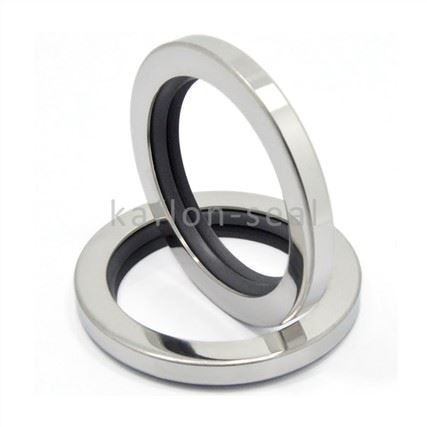

Hey there! As a supplier of Rotary Shaft Seals, I often get asked about the functions of different components in these seals. Today, I wanna take a deep dive into one specific part: the dust lip in a rotary shaft seal.
So, what exactly is a dust lip? Picture a rotary shaft seal. It's like a little guardian at the entrance of a shaft, protecting it from all sorts of nasties. The dust lip is an extra layer of defense on this seal. It's usually made of a flexible material that can conform to the shape of the shaft.
Let's start with the most obvious function: keeping dust and debris out. You see, in many industrial settings, there's a lot of dust floating around. Whether it's in a manufacturing plant, a mining site, or even a simple automotive engine, dust particles are everywhere. If these particles get into the machinery through the shaft, they can cause some serious problems. They might scratch the surface of the shaft, which can lead to premature wear and tear. Or they could mix with the lubricating oil, reducing its effectiveness and potentially causing overheating.
The dust lip acts as a barrier against these particles. It's designed to create a tight seal around the shaft, preventing dust from sneaking in. Even the tiniest dust particles can do a lot of damage over time, so having this extra layer of protection is crucial. And it doesn't just stop dust. It can also keep out other contaminants like dirt, sand, and even small pieces of debris that could be floating in the air or on the surface of the equipment.
Another important function of the dust lip is to prevent the leakage of lubricants. In a rotary shaft system, lubricants are used to reduce friction between the shaft and the seal. This ensures smooth operation and also extends the lifespan of the components. But if the lubricant leaks out, it can cause a whole host of problems. The lack of lubrication can lead to increased friction, which means more heat generation and more wear on the shaft and the seal itself.
The dust lip helps to keep the lubricant where it belongs. By forming a secondary seal, it adds an extra layer of protection to prevent the lubricant from seeping out. This is especially important in high-speed applications, where the centrifugal force can cause the lubricant to be pushed outwards. The dust lip helps to counteract this force and maintain the integrity of the lubrication system.
Now, let's talk about how the dust lip achieves these functions. It's all about the design and the material. The dust lip is designed to have a specific shape and angle. This allows it to fit snugly against the shaft while still maintaining some flexibility. The flexibility is important because it allows the dust lip to adapt to any small movements or vibrations of the shaft without losing its sealing ability.
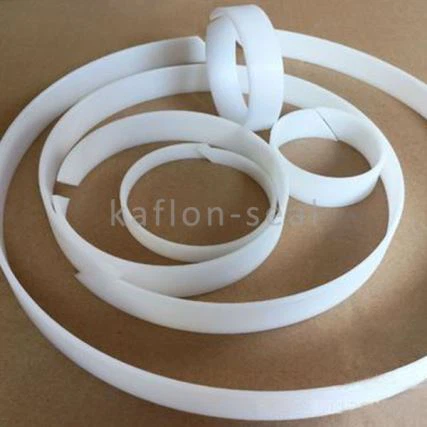
As for the material, it needs to be tough, resistant to wear, and have good sealing properties. Common materials used for dust lips include rubber and PTFE (Polytetrafluoroethylene). PTFE, in particular, is a great choice because it has low friction, high chemical resistance, and excellent sealing performance. You can check out our PTFE Lip Seal for more details on how PTFE is used in our seals.
In some specialized applications, the dust lip plays an even more crucial role. Take medical equipment, for example. In this field, cleanliness and reliability are of the utmost importance. Our Medical Equipment Rotary PTFE POB Oil Seal is designed with a high-quality dust lip to ensure that no contaminants can enter the equipment. This is essential to prevent any potential infections or malfunctions in the medical devices.


Another example is in screw compressors. These machines operate under high pressure and high temperatures, and they require a seal that can withstand these harsh conditions. Our Screw Comprosser PTFE Oil Seal is equipped with a dust lip that can protect the shaft from the extreme environment and prevent the leakage of compressed air or refrigerant.
The lifespan of the dust lip is also an important factor to consider. A well-designed and properly maintained dust lip can last a long time, but it will eventually wear out. The lifespan depends on several factors, such as the operating conditions, the type of material used, and the quality of the installation. Regular inspections and maintenance can help to identify any signs of wear early on and replace the dust lip before it fails completely.
When it comes to replacing the dust lip, it's not always a straightforward process. It requires some technical knowledge and the right tools. You need to make sure that the new dust lip is the correct size and shape for the specific application. And during the installation, you need to be careful not to damage the dust lip or the shaft. If you're not confident in your ability to replace the dust lip yourself, it's always a good idea to consult a professional.
In conclusion, the dust lip in a rotary shaft seal is a small but mighty component. It plays a vital role in protecting the shaft from dust and debris, preventing the leakage of lubricants, and ensuring the smooth operation of the machinery. Whether it's in a common industrial application or a specialized field like medical equipment or screw compressors, the dust lip is an essential part of the seal.
If you're in the market for high-quality rotary shaft seals or have any questions about the dust lip or other components, don't hesitate to reach out. We're here to help you find the right solution for your specific needs. Whether you're a small business or a large industrial operation, we've got the expertise and the products to meet your requirements. Let's start a conversation about how we can work together to keep your machinery running smoothly.
References
- Various engineering textbooks on mechanical seals and tribology
- Industry reports on the performance and application of rotary shaft seals