
As a supplier of radial oil seals, understanding the noise level generated by these seals during operation is crucial. Radial oil seals play a vital role in various industries, including automotive, aerospace, and industrial machinery. They are designed to prevent the leakage of lubricants and the ingress of contaminants, ensuring the smooth operation of rotating shafts. However, the noise produced by these seals can have significant implications for the overall performance and user experience of the equipment they are installed in.
Factors Affecting Noise Generation
Several factors contribute to the noise level generated by radial oil seals during operation. One of the primary factors is the friction between the seal lip and the rotating shaft. As the shaft rotates, the seal lip rubs against its surface, creating friction. This friction can lead to the generation of noise, especially if the contact pressure between the seal lip and the shaft is too high or if the surface finish of the shaft is rough.
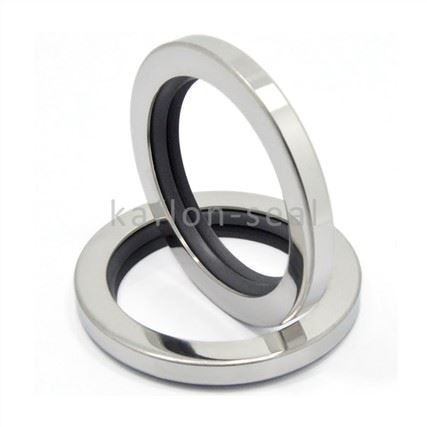
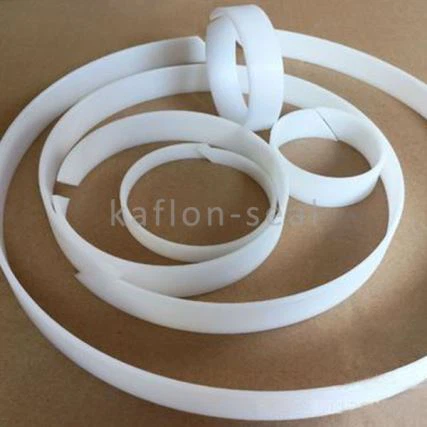
The material of the seal lip also plays a significant role in noise generation. Different materials have different friction coefficients and wear characteristics, which can affect the noise level. For example, seals with PTFE (polytetrafluoroethylene) lips, such as our Radial Shaft Seals With PTFE Lips, generally have lower friction coefficients compared to seals with rubber lips. This lower friction can result in reduced noise levels during operation.
The design of the seal also influences the noise generation. Seals with a proper lip geometry and profile can minimize the contact area between the seal lip and the shaft, reducing friction and noise. Additionally, the use of advanced sealing technologies, such as hydrodynamic grooves or micro-textures on the seal lip, can help to improve the lubrication between the seal and the shaft, further reducing noise.
The operating conditions, such as the speed of the rotating shaft, the temperature, and the pressure, can also affect the noise level. Higher shaft speeds generally result in increased friction and noise. Similarly, extreme temperatures or pressures can cause the seal material to expand or contract, altering the contact pressure between the seal lip and the shaft and potentially increasing the noise level.
Measuring Noise Levels
Measuring the noise level generated by radial oil seals during operation is essential for evaluating their performance and ensuring compliance with industry standards. There are several methods available for measuring noise, including the use of microphones and accelerometers.


Microphones are commonly used to measure the airborne noise generated by the seal. They can be placed in the vicinity of the seal to capture the sound waves produced during operation. The microphone output is then analyzed using specialized software to determine the noise level in decibels (dB).
Accelerometers, on the other hand, are used to measure the vibration of the seal and the surrounding components. Since noise is often associated with vibration, measuring the vibration can provide valuable information about the noise generation mechanism. The accelerometer output is also analyzed using software to determine the vibration amplitude and frequency, which can be correlated with the noise level.
Reducing Noise Levels
As a supplier of radial oil seals, we are committed to providing our customers with seals that generate minimal noise during operation. To achieve this, we employ several strategies in our seal design and manufacturing processes.
One of the key strategies is the selection of the appropriate seal material. As mentioned earlier, PTFE is a popular choice for seal lips due to its low friction coefficient and excellent wear resistance. Our Medical Equipment Rotary PTFE POB Oil Seal and Double Lips PTFE Oil Seal are designed with PTFE lips to minimize friction and noise.
We also focus on optimizing the seal design to reduce noise. This includes using advanced lip geometries and profiles that minimize the contact area between the seal lip and the shaft. Additionally, we incorporate hydrodynamic features, such as grooves or micro-textures, on the seal lip to improve lubrication and reduce friction.
In addition to material selection and design optimization, we also pay close attention to the manufacturing process. We use high-quality materials and precision manufacturing techniques to ensure that our seals have consistent dimensions and surface finishes. This helps to minimize variations in the contact pressure between the seal lip and the shaft, reducing noise.
Importance of Low Noise Seals
The importance of low noise radial oil seals cannot be overstated. In applications where noise is a critical factor, such as in medical equipment or automotive interiors, the use of low noise seals can significantly improve the user experience. For example, in medical equipment, the noise generated by the seals can be distracting or even alarming to patients. By using our Medical Equipment Rotary PTFE POB Oil Seal, which is designed to generate minimal noise, the overall comfort and safety of the patients can be enhanced.
In the automotive industry, low noise seals can contribute to a quieter and more comfortable driving experience. The noise generated by the seals in the engine, transmission, or other components can be transmitted to the cabin, causing annoyance to the passengers. By using our high-quality radial oil seals, automotive manufacturers can reduce the noise level inside the vehicle, improving the overall quality and marketability of their products.
Contact Us for Your Radial Oil Seal Needs
If you are in the market for high-quality radial oil seals that generate minimal noise during operation, look no further. As a leading supplier of radial oil seals, we have the expertise and experience to provide you with the best sealing solutions for your specific applications. Our seals are designed and manufactured to meet the highest quality standards, ensuring reliable performance and long service life.
Whether you need seals for medical equipment, automotive applications, or industrial machinery, we have a wide range of products to choose from. Our Medical Equipment Rotary PTFE POB Oil Seal, Double Lips PTFE Oil Seal, and Radial Shaft Seals With PTFE Lips are just a few examples of our high-performance products.
Contact us today to discuss your radial oil seal requirements and learn more about how we can help you achieve your sealing goals. We look forward to working with you and providing you with the best sealing solutions for your needs.
References
- "Sealing Technology Handbook" by John H. Bickford
- "Fundamentals of Machine Elements" by Robert C. Juvinall and Kurt M. Marshek
- "Noise and Vibration Control Engineering: Principles and Applications" by Leo L. Beranek and István L. Ver