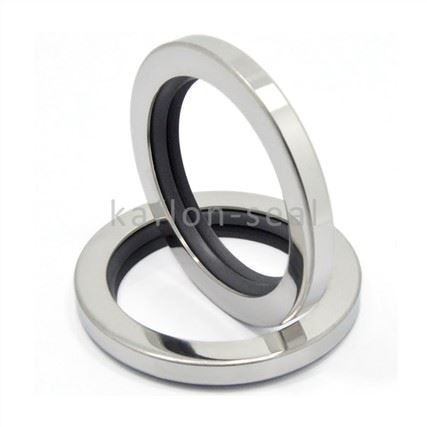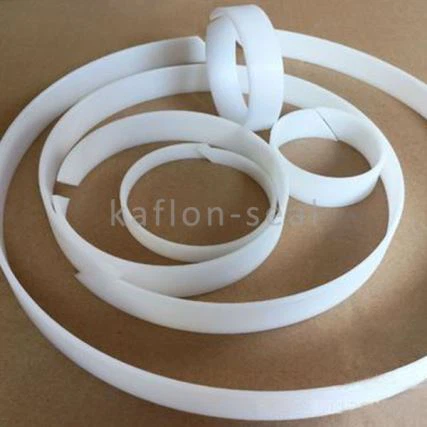

Hey there! As a supplier of PTFE lip seals, I'm super excited to break down how these nifty little components work. PTFE, or polytetrafluoroethylene, is a synthetic fluoropolymer that's known for its outstanding chemical resistance, low friction, and high-temperature tolerance. Lip seals made from PTFE are widely used in various industries, from automotive to aerospace, to prevent the leakage of fluids and contaminants.
The Basics of a PTFE Lip Seal
Let's start with the fundamentals. A PTFE lip seal is a type of rotary shaft seal. Its main job is to create a barrier between two different environments, usually separating lubricants like oil or grease from the outside world. It's designed to fit snugly around a rotating shaft, and the "lip" part of the seal is what does the actual sealing work.
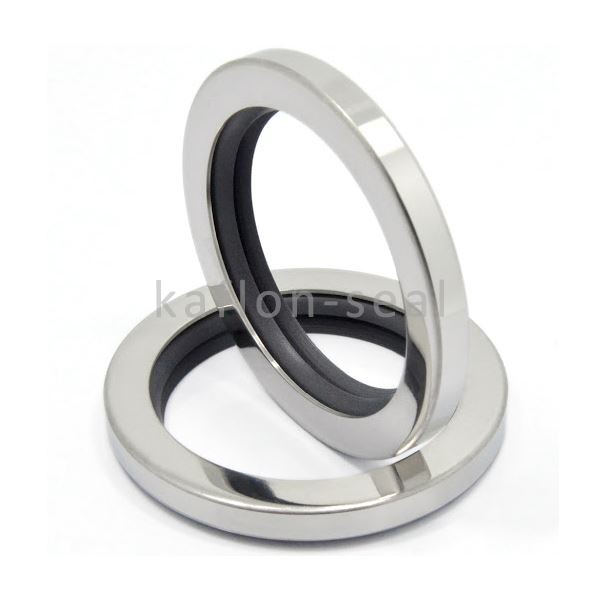
The lip of a PTFE seal is typically thin and flexible. It presses against the surface of the shaft, forming a tight seal. This seal prevents fluids from leaking out and keeps dirt, dust, and other contaminants from getting in. The shape and design of the lip can vary depending on the specific application. Some seals have a single lip, while others, like the Double Lips PTFE Oil Seal, have two lips for enhanced sealing performance.
How the Sealing Action Occurs
So, how exactly does this lip create a seal? Well, it all comes down to the properties of PTFE and the design of the seal. When the seal is installed on the shaft, the lip is pre - loaded against the shaft surface. This pre - load creates a contact pressure between the lip and the shaft.
The low friction coefficient of PTFE is a game - changer here. As the shaft rotates, the PTFE lip can glide smoothly over the shaft surface without generating excessive heat or wear. This smooth movement is crucial because it allows the seal to maintain its integrity over a long period of time.
The contact pressure between the lip and the shaft also helps to deform the lip slightly. This deformation fills in any microscopic irregularities on the shaft surface, creating a more effective seal. Even if the shaft has minor scratches or roughness, the flexible PTFE lip can adapt and still provide a good seal.

Factors Affecting the Performance of PTFE Lip Seals
A few key factors can influence how well a PTFE lip seal works. Temperature is one of the most important ones. PTFE has a wide temperature range, but extreme temperatures can still affect its performance. At very high temperatures, the PTFE may start to soften, which can reduce the contact pressure between the lip and the shaft. On the other hand, at extremely low temperatures, the PTFE may become brittle, increasing the risk of cracking.
The speed of the rotating shaft also matters. Higher shaft speeds can generate more heat due to friction. If the heat isn't dissipated properly, it can damage the seal. That's why proper lubrication is essential. Lubricants not only reduce friction but also help to dissipate heat.
The quality of the shaft surface is another factor. A smooth and clean shaft surface is ideal for a PTFE lip seal. Rough or dirty surfaces can cause uneven wear on the lip, reducing the seal's effectiveness. In some cases, special surface treatments may be applied to the shaft to improve the sealing performance.
Different Types of PTFE Lip Seals
There are several types of PTFE lip seals available, each designed for specific applications. The PTFE Filled POB Shaft Seal is one example. This type of seal is filled with POB (poly-p-hydroxybenzoate), which enhances its mechanical properties. The POB filling makes the seal more rigid and wear - resistant, making it suitable for high - pressure and high - speed applications.
The Radial PTFE Shaft Seal is designed to seal against radial forces. It's commonly used in applications where there's a need to prevent fluid leakage along the radial direction of the shaft. These seals are often used in pumps, motors, and other rotating equipment.
Installation and Maintenance
Proper installation is crucial for the performance of PTFE lip seals. When installing the seal, it's important to make sure that it's centered correctly on the shaft and that the lip is not damaged. Any misalignment or damage during installation can lead to premature failure of the seal.
Maintenance is also key. Regular inspections should be carried out to check for signs of wear, damage, or leakage. If a seal shows signs of wear, it should be replaced promptly to prevent fluid loss and potential damage to the equipment.
Why Choose Our PTFE Lip Seals
As a supplier, we take pride in offering high - quality PTFE lip seals. Our seals are made from top - grade PTFE materials, ensuring excellent chemical resistance and low friction. We have a wide range of seals to choose from, including the ones I mentioned earlier, to meet the diverse needs of our customers.
Our team of experts is always available to provide technical support and advice. Whether you're not sure which type of seal is right for your application or you need help with installation, we're here to assist you.
Let's Talk Business
If you're in the market for PTFE lip seals, I encourage you to reach out to us. We can discuss your specific requirements and provide you with a quote. Our goal is to help you find the best sealing solution for your equipment, ensuring optimal performance and reliability. Don't hesitate to contact us for more information and to start the procurement process.
References
- "Sealing Technology Handbook"
- "Materials Science and Engineering: An Introduction"