
Hey there! As a plastic seal supplier, I often get asked about the tensile strength of plastic seals. So, I thought I'd write this blog to break it down for you in simple terms.
First off, let's understand what tensile strength is. Tensile strength is basically the maximum amount of pulling force a material can withstand before it breaks. For plastic seals, this is a crucial property because they're often used in applications where they need to resist stretching or pulling.
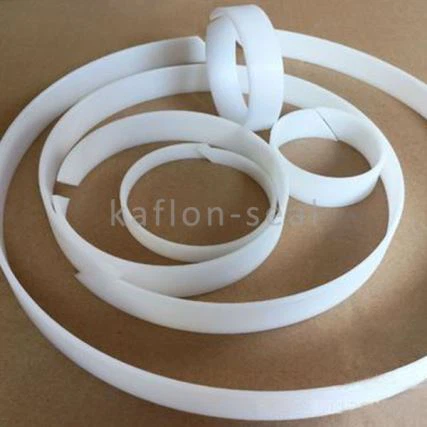
Now, plastic seals come in all sorts of materials, and each material has its own unique tensile strength. For example, we've got the F270 UHMW - PE. UHMW - PE stands for Ultra - High Molecular Weight Polyethylene. This material is known for its high impact resistance and excellent wear properties. Its tensile strength is pretty impressive, usually ranging from about 21 to 38 MPa (megapascals). That means it can handle a good amount of pulling force without snapping.
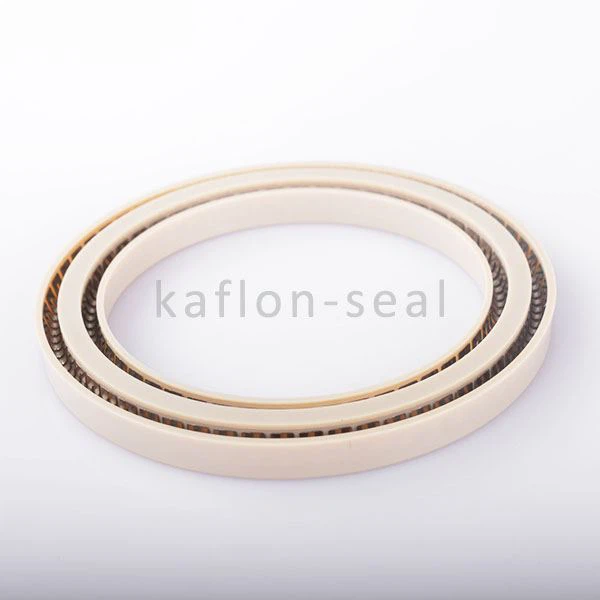
Then there's the F260 PEEK. PEEK is short for Polyetheretherketone. It's a high - performance thermoplastic with some outstanding mechanical properties. The tensile strength of F260 PEEK can be as high as 90 - 100 MPa. This makes it a great choice for applications where you need a plastic seal that can withstand really high levels of stress.
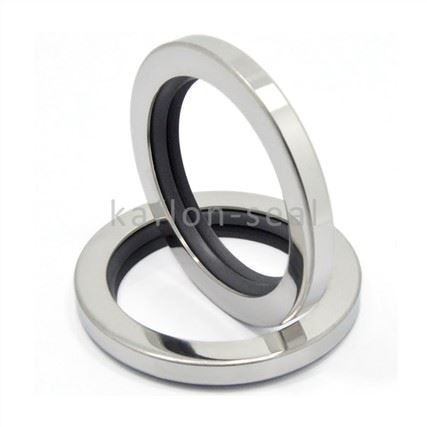
Another popular type of plastic seal is the Hydraulic Cylinder Seal. These seals are used in hydraulic systems, where they have to deal with high pressures and forces. The materials used for hydraulic cylinder seals are carefully selected to have the right balance of tensile strength, flexibility, and chemical resistance. Depending on the specific material, the tensile strength can vary widely, but it's typically in the range that can handle the pressures within the hydraulic system.
So, why does tensile strength matter for plastic seals? Well, if a plastic seal doesn't have enough tensile strength, it can break under normal operating conditions. This can lead to all sorts of problems, like leaks in a hydraulic system or a loss of integrity in a packaging application. On the other hand, if you choose a plastic seal with too high a tensile strength, you might be paying more than you need to, and the seal might not have the right flexibility for the application.
When choosing a plastic seal, it's important to consider the specific requirements of your application. Think about the amount of force the seal will be subjected to, the environmental conditions it will be in (like temperature and chemical exposure), and the expected lifespan of the seal.
For example, if you're using a plastic seal in a high - pressure hydraulic system, you'll want to go for a material with a high tensile strength, like the F260 PEEK. But if you're using it in a less demanding application, like a simple packaging seal, the F270 UHMW - PE might be a more cost - effective choice.
It's also worth noting that the manufacturing process can have an impact on the tensile strength of plastic seals. Things like the molding process, the cooling rate, and the addition of fillers or reinforcements can all affect how strong the final seal is. At our company, we pay close attention to these details to ensure that our plastic seals meet the highest standards of quality and performance.
We've done a lot of testing on our plastic seals to make sure they live up to their advertised tensile strength. We use state - of - the - art testing equipment to measure the force at which the seals break. This allows us to provide accurate information to our customers and make any necessary adjustments to our manufacturing process.
In addition to tensile strength, there are other properties of plastic seals that you might want to consider. For example, hardness, which affects how resistant the seal is to deformation. Elasticity, which determines how well the seal can return to its original shape after being stretched. And chemical resistance, which is important if the seal will be in contact with chemicals.
We offer a wide range of plastic seals to meet the diverse needs of our customers. Whether you're in the automotive industry, the aerospace industry, or any other field that requires high - quality plastic seals, we've got you covered.
If you're in the market for plastic seals, I'd love to have a chat with you. We can discuss your specific requirements and help you choose the right seal for your application. Our team of experts is always ready to provide you with the best advice and support. So, don't hesitate to reach out to us. We're here to make sure you get the plastic seals that work best for you.
In conclusion, understanding the tensile strength of plastic seals is crucial for choosing the right seal for your application. By considering the specific requirements of your project and the properties of different plastic materials, you can make an informed decision. And if you need any help along the way, we're just a message away.
References
- "Plastic Materials Science and Engineering" by Charles A. Harper
- "Handbook of Thermoplastics" by O. Olabisi