


 Popular Blog Posts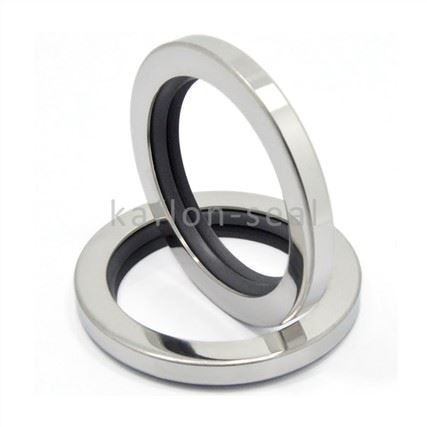


 Blog
BlogHey there! As a supplier of F200 PTFE Virgin, I've seen firsthand the growing interest in recycling this amazing material. Today, I'm gonna dive into the environmental benefits of recycling F200 PTFE Virgin and why it's a smart move for both our planet and your business.
Conservation of Natural Resources
F200 PTFE Virgin is made from polytetrafluoroethylene (PTFE), a synthetic fluoropolymer. The production of PTFE involves extracting and processing raw materials from the earth. These raw materials are finite resources, and extracting them can have a significant impact on the environment. Mining operations can lead to deforestation, soil erosion, and water pollution. By recycling F200 PTFE Virgin, we can reduce the demand for virgin materials and conserve these precious natural resources.
When we recycle F200 PTFE Virgin, we're essentially giving it a second life. Instead of ending up in a landfill, the material can be reprocessed and used to make new products. This reduces the need for new raw materials, which in turn reduces the environmental impact of extraction and processing. It's like giving Mother Earth a little break!
Energy Savings
The production of F200 PTFE Virgin from virgin materials is an energy-intensive process. It requires high temperatures and specialized equipment to transform the raw materials into the final product. Recycling F200 PTFE Virgin, on the other hand, uses significantly less energy. The reprocessing of recycled material generally involves melting and reforming it, which requires less energy compared to the production of virgin PTFE.
According to some studies, recycling PTFE can save up to [X]% of the energy required to produce new PTFE from scratch. That's a huge energy savings! By choosing to recycle F200 PTFE Virgin, you're not only reducing your carbon footprint but also saving on energy costs. It's a win-win situation for both the environment and your bottom line.
Reduction of Waste in Landfills
One of the most obvious environmental benefits of recycling F200 PTFE Virgin is the reduction of waste in landfills. PTFE is a non-biodegradable material, which means it can take hundreds of years to break down in a landfill. When large amounts of F200 PTFE Virgin end up in landfills, it takes up valuable space and can potentially leach harmful chemicals into the soil and groundwater.
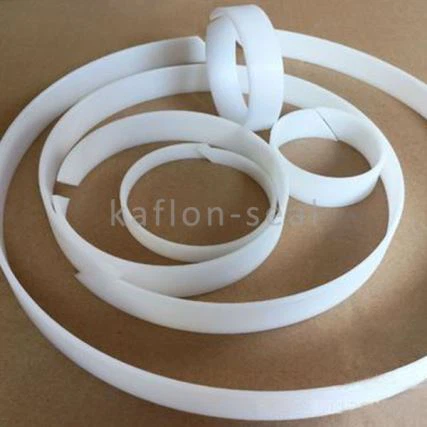
By recycling F200 PTFE Virgin, we can divert this waste from landfills and keep it out of the environment. The recycled material can be used to manufacture a wide range of products, such as PTFE Lip Seal For For Cryogenic Valves, Spring Energized Valve Lip Seal, and F211 15% Graphite Filled PTFE. This not only reduces the amount of waste in landfills but also extends the lifespan of the material.
Prevention of Pollution
The production and disposal of F200 PTFE Virgin can have a negative impact on the environment in terms of pollution. During the production process, various chemicals and pollutants can be released into the air, water, and soil. These pollutants can have harmful effects on human health and the environment.


Recycling F200 PTFE Virgin helps to prevent this pollution. By reusing the material, we reduce the need for new production, which in turn reduces the release of pollutants. Additionally, the recycling process itself is generally more environmentally friendly than the production of virgin materials. It often involves less chemical use and lower emissions, which helps to protect the air, water, and soil.
Promoting a Circular Economy
Recycling F200 PTFE Virgin is an important part of promoting a circular economy. A circular economy is an economic system that aims to eliminate waste and keep resources in use for as long as possible. Instead of the traditional linear model of "take, make, dispose," a circular economy focuses on reducing, reusing, and recycling materials.
When we recycle F200 PTFE Virgin, we're contributing to a circular economy by closing the loop on the material's life cycle. The recycled material can be used to make new products, which can then be recycled again at the end of their useful life. This creates a continuous cycle of resource use, which is more sustainable and environmentally friendly.
Economic Benefits
In addition to the environmental benefits, recycling F200 PTFE Virgin can also have economic advantages. For businesses, recycling can help to reduce costs associated with waste disposal and the purchase of new materials. By using recycled F200 PTFE Virgin, companies can save money on raw material costs and potentially increase their profit margins.
Furthermore, the recycling industry itself creates jobs and stimulates economic growth. As the demand for recycled materials increases, more recycling facilities are being established, which creates employment opportunities in areas such as collection, sorting, and processing. This not only benefits the local economy but also helps to build a more sustainable future.
How You Can Get Involved
If you're interested in reaping the environmental and economic benefits of recycling F200 PTFE Virgin, there are a few ways you can get involved. First, you can start by implementing a recycling program in your own business. This can involve collecting and separating F200 PTFE Virgin waste from other materials and sending it to a recycling facility.
You can also look for suppliers who offer recycled F200 PTFE Virgin products. By choosing to purchase these products, you're supporting the recycling industry and encouraging more sustainable practices. And if you have any questions or need more information about recycling F200 PTFE Virgin, don't hesitate to reach out. I'm here to help you make the switch to a more environmentally friendly option.
In conclusion, recycling F200 PTFE Virgin offers a wide range of environmental benefits, including conservation of natural resources, energy savings, reduction of waste in landfills, prevention of pollution, promotion of a circular economy, and economic advantages. As a supplier of F200 PTFE Virgin, I'm committed to promoting recycling and helping my customers make more sustainable choices. If you're interested in learning more about our products or discussing recycling options, please feel free to contact me for a procurement discussion. Let's work together to create a greener future!
References
- "The Environmental Impact of PTFE Production and Recycling." Journal of Sustainable Materials Management.
- "Energy Savings in the Recycling of Fluoropolymers." International Journal of Recycling and Waste Management.
- "Circular Economy: A Path to Sustainable Development." World Economic Forum Report.