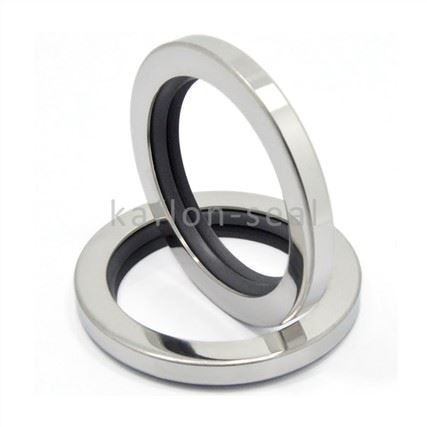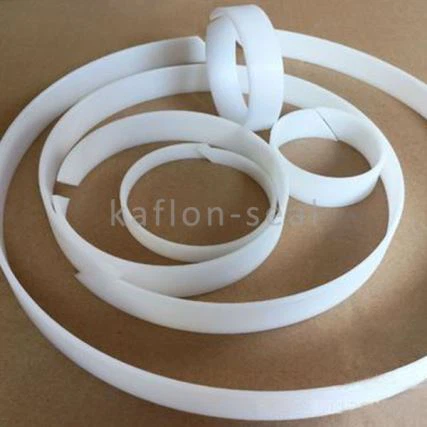

In the realm of hydraulic systems, the reliability of hydraulic rod seals in high - frequency reciprocating motion is of paramount importance. As a dedicated hydraulic rod seal supplier, I've witnessed firsthand the challenges and solutions associated with ensuring the performance and longevity of these crucial components. In this blog, I will delve into the key factors and strategies to guarantee the reliability of hydraulic rod seals under high - frequency reciprocating conditions.
Understanding the Challenges of High - Frequency Reciprocating Motion
High - frequency reciprocating motion subjects hydraulic rod seals to unique stresses. The rapid back - and - forth movement generates significant heat due to friction between the seal and the rod. This heat can cause the seal material to expand, change its physical properties, and potentially lead to wear and deformation over time. Additionally, the fast - paced motion increases the chances of abrasion as the seal continuously rubs against the rod surface. The fluctuation of pressure during each cycle of reciprocation can also put extra strain on the seal, making it more prone to leakage.
Selecting the Right Seal Material
One of the fundamental steps in ensuring the reliability of a hydraulic rod seal in high - frequency reciprocating motion is choosing the appropriate seal material. Different materials have distinct properties that make them more or less suitable for this demanding application.
Elastomeric Materials
Elastomers such as nitrile rubber (NBR), fluorocarbon rubber (FKM), and ethylene - propylene diene monomer (EPDM) are commonly used. NBR offers good resistance to oil and a wide range of temperatures, making it a popular choice for general hydraulic applications. FKM, on the other hand, has excellent resistance to high temperatures, chemicals, and ozone, which is beneficial in high - frequency scenarios where heat generation is a concern. EPDM is known for its resistance to water, steam, and weathering, and can be used in specific hydraulic environments.
Thermoplastic Materials
Thermoplastic materials like polyurethane (PU) and polytetrafluoroethylene (PTFE) also play a crucial role. Polyurethane seals have high abrasion resistance and excellent mechanical properties, which are ideal for high - frequency reciprocating motion. PTFE seals offer low friction coefficients, reducing heat generation during movement. Our PTFE Double Acting Rod Seal is designed to take advantage of PTFE's properties, ensuring smooth operation even in high - frequency scenarios.
Design Considerations
The design of the hydraulic rod seal is another critical aspect. A well - designed seal can effectively cope with the stresses of high - frequency reciprocating motion.
Lip Design
The lip design of the seal determines its sealing performance and contact with the rod. A properly shaped lip can maintain a tight seal while minimizing friction. For example, a tapered lip design can provide a good balance between sealing force and friction reduction. This design allows the seal to adapt to the pressure changes during reciprocation, ensuring reliable sealing even at high frequencies.
Cross - Sectional Design
The cross - sectional shape of the seal also matters. Some seals have a rectangular cross - section, while others may have a more complex shape. The cross - section affects the seal's ability to withstand pressure, resist extrusion, and maintain its shape under high - frequency movement. Our Single Acting Rod Seal is engineered with an optimized cross - sectional design to ensure maximum reliability in high - frequency applications.
Surface Finish and Rod Quality
The quality of the rod surface and its finish have a direct impact on the performance of the hydraulic rod seal. A smooth rod surface reduces friction and wear on the seal. The surface roughness of the rod should be carefully controlled within a specific range. If the surface is too rough, it can cause excessive abrasion on the seal, leading to premature failure. On the other hand, if the surface is too smooth, it may not be able to retain enough lubricant, which can also increase friction.
Regular inspection and maintenance of the rod are essential. Any signs of scratches, dents, or corrosion on the rod surface should be addressed immediately. A damaged rod can cause the seal to leak and reduce its overall reliability.
Lubrication
Proper lubrication is vital for the reliable operation of hydraulic rod seals in high - frequency reciprocating motion. Lubricants reduce friction between the seal and the rod, dissipate heat, and prevent wear. The choice of lubricant depends on several factors, including the type of seal material, operating temperature, and the nature of the hydraulic fluid.
For elastomeric seals, compatible hydraulic oils are often used as lubricants. These oils can form a thin film on the seal and rod surface, separating them and reducing direct contact. In some cases, special additives can be added to the lubricant to improve its anti - wear and anti - friction properties.
Our Low Stick And Slip Glyd Ring is designed to work in conjunction with proper lubrication to ensure smooth and reliable operation even in high - frequency reciprocating applications.
Maintenance and Monitoring
Regular maintenance and monitoring are key to ensuring the long - term reliability of hydraulic rod seals. This includes regular inspections of the seal for signs of wear, tear, or leakage. Even a small amount of leakage can indicate a problem that needs to be addressed promptly.


Monitoring the operating temperature, pressure, and vibration of the hydraulic system can also provide valuable information about the condition of the seal. An increase in temperature or pressure may be a sign of excessive friction or a potential seal failure. By using sensors and monitoring equipment, these parameters can be continuously tracked, allowing for proactive maintenance.
Installation and Assembly
Proper installation and assembly are often overlooked but are crucial steps in ensuring the reliability of hydraulic rod seals. Incorrect installation can cause the seal to be misaligned, damaged, or under stress, which can lead to premature failure.
During installation, it is important to follow the manufacturer's guidelines precisely. This includes cleaning all components thoroughly, using the correct tools, and applying the right amount of lubrication. Care should be taken to avoid any sharp edges or debris that could damage the seal during installation.
Contact for Procurement
Ensuring the reliability of hydraulic rod seals in high - frequency reciprocating motion requires a comprehensive approach that includes material selection, design optimization, surface finish control, lubrication, maintenance, and proper installation. As a leading hydraulic rod seal supplier, we have the expertise and products to meet your specific needs. If you are looking for high - quality hydraulic rod seals for your high - frequency reciprocating applications, we invite you to contact us for detailed product information and procurement discussions.
References
- "Hydraulic Seals Handbook" by Seal Industry Association
- "Materials for High - Performance Seals" in Journal of Tribology
- "Design and Analysis of Hydraulic Sealing Systems" by Technical Institute of Fluid Power