
Hey there! As a plastic seal supplier, I often get asked about the shelf life of plastic seals. It's a crucial question, especially for businesses that rely on these seals for long - term storage or transportation. So, let's dive right in and explore what affects the shelf life of plastic seals and how you can make the most of them.
What are Plastic Seals?
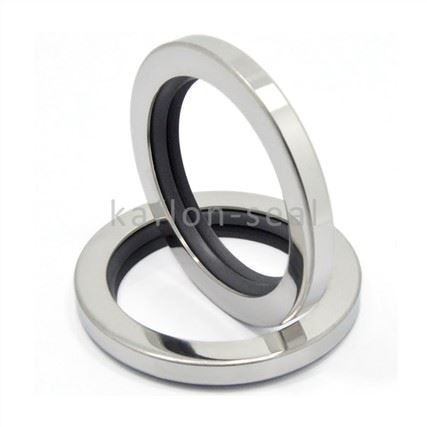
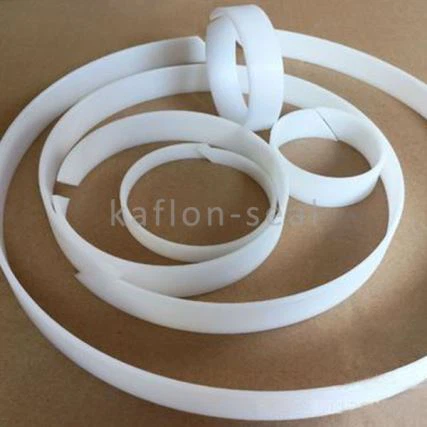
Before we talk about shelf life, let's quickly go over what plastic seals are. Plastic seals are used in a wide range of industries, from food and beverage to automotive and manufacturing. They're designed to keep things sealed, protected from the elements, and prevent leakage. There are different types of plastic seals, like the F265 POM, which is known for its durability and chemical resistance.
Factors Affecting the Shelf Life of Plastic Seals
Material Composition
The type of plastic used in the seal plays a huge role in determining its shelf life. Some plastics, like polypropylene and polyethylene, are more resistant to environmental factors compared to others. For example, seals made from high - density polyethylene (HDPE) can last longer because they're less likely to break down when exposed to moisture and chemicals. On the other hand, softer plastics might degrade faster, especially if they're exposed to harsh conditions.

Storage Conditions
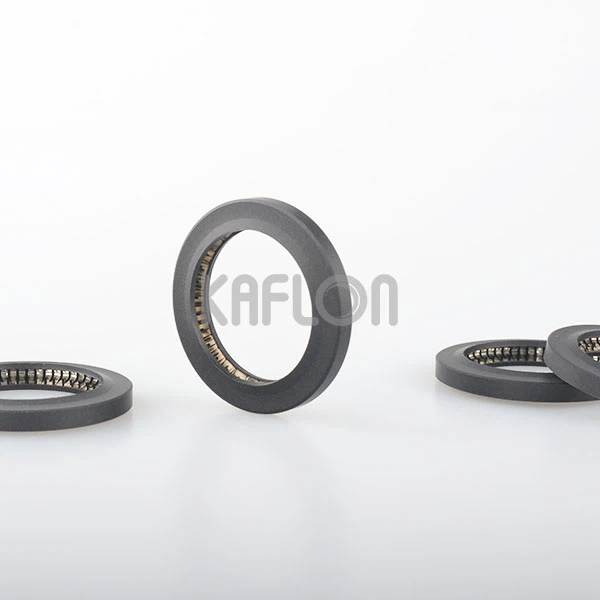
How you store your plastic seals can make or break their shelf life. Seals should be stored in a cool, dry place away from direct sunlight. Sunlight contains ultraviolet (UV) rays that can cause the plastic to become brittle and crack over time. High temperatures can also soften the plastic, leading to deformation. Humidity is another factor; excessive moisture can cause the plastic to swell or develop mold, reducing its effectiveness.
Chemical Exposure
If plastic seals come into contact with certain chemicals, their shelf life can be significantly reduced. For instance, solvents, acids, and alkalis can react with the plastic, causing it to break down. Even cleaning agents can have an impact if they're too harsh. It's important to keep plastic seals away from areas where they might be exposed to these chemicals.
Mechanical Stress
During storage and handling, plastic seals can experience mechanical stress. If they're stacked too tightly or bent out of shape, it can weaken the structure of the plastic. This can lead to premature failure when the seal is eventually used. So, proper handling and storage are key to maintaining the integrity of the seals.
Typical Shelf Life of Different Plastic Seals
General Estimates
On average, plastic seals can have a shelf life of anywhere from 1 to 5 years. However, this can vary widely depending on the factors we've discussed. Seals made from high - quality, durable plastics and stored under ideal conditions can last towards the upper end of this range.
Specific Examples
Let's take a look at some specific types of plastic seals. The Hydraulic Cylinder Seal is commonly used in hydraulic systems. These seals are often made from materials that can withstand high pressures and temperatures. If stored properly, they can last around 3 - 5 years. Meanwhile, seals used in food packaging, which might be made from different, more food - safe plastics, might have a shorter shelf life of 1 - 2 years, especially if they're exposed to any form of contamination.
Extending the Shelf Life of Plastic Seals
Proper Storage
As I mentioned earlier, storing plastic seals in a cool, dry place is essential. You can use sealed containers or storage cabinets to protect them from dust, moisture, and sunlight. Labeling the containers with the date of receipt can also help you keep track of how long the seals have been in storage.
Regular Inspections
It's a good idea to inspect your plastic seals regularly. Check for any signs of damage, such as cracks, discoloration, or deformation. If you notice any issues, it's best to replace the seals before using them.
Correct Handling
When handling plastic seals, be gentle. Avoid bending or stretching them more than necessary. Use appropriate tools for installation to prevent any unnecessary stress on the seals.
Why Choose Our Plastic Seals?
We're a T Seal Supplier China with a reputation for providing high - quality plastic seals. Our seals are made from top - grade plastics that are carefully selected for their durability and performance. We understand the importance of shelf life, and we take every step to ensure that our seals can withstand the test of time. Whether you need seals for industrial applications or food packaging, we've got you covered.
Conclusion
In conclusion, the shelf life of plastic seals depends on a variety of factors, including material composition, storage conditions, chemical exposure, and mechanical stress. By understanding these factors and taking the necessary precautions, you can extend the shelf life of your plastic seals and get the most out of your investment. If you're in the market for high - quality plastic seals, don't hesitate to reach out. We're here to help you find the perfect seals for your needs. Contact us today to start a procurement discussion and see how we can work together to meet your sealing requirements.
References
- ASTM International standards on plastic materials and their durability.
- Technical literature from plastic resin manufacturers regarding the properties of different plastics.