
How to Install Polyurethanes Seal Correctly
As a trusted supplier of Polyurethanes Seal, I understand the importance of proper installation to ensure the optimal performance of these seals. Polyurethanes seals are widely used in various industries due to their excellent properties such as high abrasion resistance, good chemical resistance, and flexibility. In this blog, I will guide you through the correct installation process of Polyurethanes seals, providing you with detailed steps and useful tips.

Understanding Polyurethane Seals
Before we dive into the installation process, let's first understand what Polyurethane seals are. Polyurethane is a versatile polymer that can be formulated into different types of seals to meet various application requirements. You can learn more about Polyurethane on our website Polyurethane. These seals are known for their ability to withstand harsh environments, including high pressures, extreme temperatures, and exposure to chemicals.
There are different types of Polyurethanes seals available in the market, such as Milk Resistance TPU Ring and Butane Resistance Customized PU Seal Ring. Each type has its own unique properties and is suitable for specific applications. Therefore, it is crucial to choose the right type of seal for your application before starting the installation process.
Pre - installation Preparation
- Inspect the Seal and the Installation Area
- Carefully examine the Polyurethanes seal for any signs of damage, such as cuts, tears, or deformities. If you find any damaged seals, do not use them as they may not provide a proper seal.
- Inspect the installation area, including the grooves, shafts, and mating surfaces. Make sure they are clean, free of debris, and have the correct dimensions. Any irregularities in the installation area can affect the performance of the seal.
- Clean the Installation Area
- Use a suitable cleaning agent to clean the installation area thoroughly. Remove any dirt, oil, grease, or other contaminants that may be present. A clean surface is essential for the proper adhesion and sealing of the Polyurethanes seal.
- After cleaning, dry the installation area completely to prevent any moisture from interfering with the installation process.
- Lubricate the Seal (if necessary)
- In some cases, lubricating the Polyurethanes seal can make the installation process easier and reduce the risk of damage to the seal. However, it is important to use the right type of lubricant. Consult the manufacturer's recommendations to determine if lubrication is required and which lubricant is suitable for your specific seal.
Installation Steps
- Position the Seal Correctly
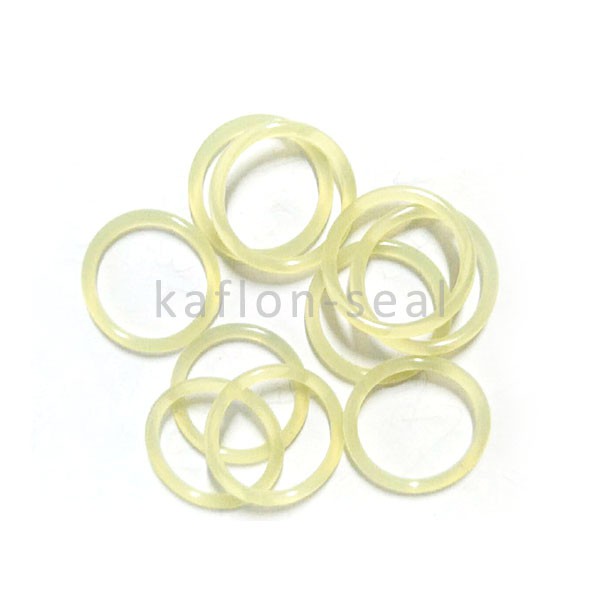
- Carefully place the Polyurethanes seal in the correct position in the installation area. Make sure it is aligned properly with the grooves and mating surfaces. For O - rings, ensure that they are centered in the groove and not twisted.
- If the seal has a specific orientation, such as a lip seal, make sure it is installed in the correct direction as indicated by the manufacturer.
- Install the Seal Gradually
- Use appropriate tools, such as a seal installation tool or a flat - bladed screwdriver, to install the seal gradually. Start by inserting one side of the seal into the installation area and then carefully work your way around the circumference, pushing the seal into place.
- Avoid using excessive force during the installation process, as this can damage the seal. If you encounter any resistance, stop and check if the seal is properly aligned or if there are any obstructions in the installation area.
- Check for Proper Fit
- Once the seal is installed, check to make sure it fits snugly in the installation area. There should be no gaps or spaces between the seal and the mating surfaces. If the seal is too loose, it may not provide an effective seal, and if it is too tight, it may cause excessive wear or damage to the seal.
- Inspect the seal for any signs of distortion or damage that may have occurred during the installation process. If you find any issues, remove the seal and reinstall it correctly.
Post - installation Checks
- Function Test
- After installing the Polyurethanes seal, perform a function test to ensure that it is working properly. This may involve applying pressure, running the equipment, or checking for leaks.
- If you detect any leaks, stop the test immediately and inspect the seal and the installation area. Check for any signs of improper installation, such as misalignment or damage to the seal.
- Monitor the Seal Performance
- In the initial period after installation, closely monitor the performance of the Polyurethanes seal. Look for any signs of wear, leakage, or other issues. Regularly inspect the seal and the surrounding area to ensure that it is functioning correctly.
Tips for a Successful Installation
- Follow the Manufacturer's Instructions
- Always refer to the manufacturer's installation instructions for your specific Polyurethanes seal. These instructions provide detailed information on the installation process, including any special requirements or precautions.
- Use the Right Tools
- Using the appropriate tools for the installation process can make the job easier and reduce the risk of damage to the seal. Invest in good - quality seal installation tools and use them correctly.
- Train Your Installation Team
- If you have a team responsible for installing Polyurethanes seals, provide them with proper training on the installation process. Make sure they understand the importance of proper installation and are familiar with the correct techniques.
Conclusion
Installing Polyurethanes seals correctly is crucial for ensuring their optimal performance and longevity. By following the steps outlined in this blog, you can install these seals with confidence and avoid common installation errors. Remember to choose the right type of seal for your application, prepare the installation area properly, and follow the manufacturer's instructions.
If you are in need of high - quality Polyurethanes seals or have any questions about the installation process, we are here to help. As a leading supplier of Polyurethanes seals, we offer a wide range of products to meet your specific needs. Contact us to start a procurement negotiation and find the perfect seal solution for your application.
References
- Manufacturer's installation guides for Polyurethanes seals
- Industry standards and best practices for seal installation