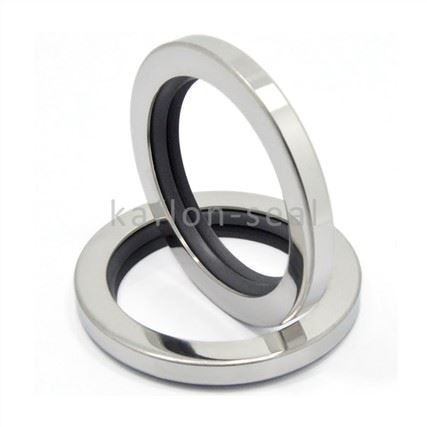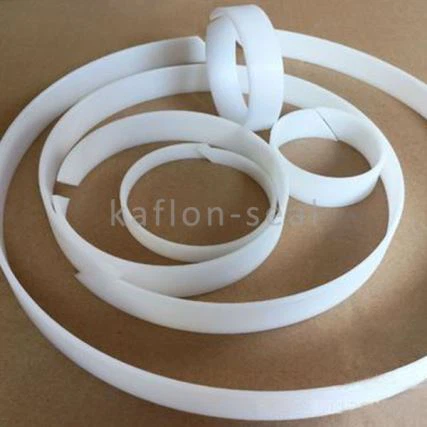

As a dedicated plastic seal supplier, I often encounter a common question from our clients: "What is the maximum weight a plastic seal can hold?" This query is crucial, as it directly impacts the practical applications and reliability of plastic seals in various industries. In this blog, I will delve into the factors that determine the maximum weight - holding capacity of plastic seals, explore different types of plastic seals and their capabilities, and provide some practical insights for choosing the right plastic seal for your specific needs.
Factors Affecting the Maximum Weight - Holding Capacity of Plastic Seals
Material Properties
The type of plastic used in the seal is a fundamental factor. Different plastics have distinct mechanical properties, such as tensile strength, yield strength, and modulus of elasticity. For example, F270 UHMW - PE (Ultra - High - Molecular - Weight Polyethylene) is known for its high impact resistance and self - lubricating properties. It can withstand significant forces without deforming easily, which means it has a relatively high weight - holding capacity. On the other hand, F260 PEEK (Polyether Ether Ketone) is a high - performance engineering plastic with excellent mechanical strength, chemical resistance, and heat resistance. PEEK seals can hold heavy weights even under harsh environmental conditions.
Seal Design
The design of the plastic seal also plays a vital role in determining its weight - holding capacity. A well - designed seal with a proper cross - sectional shape, wall thickness, and reinforcement can distribute the load more evenly. For instance, a seal with a thicker wall can generally withstand more weight than a thinner one. Additionally, some seals are designed with ribs or other structural features to enhance their strength and stability.
Environmental Conditions
The environment in which the plastic seal operates can have a significant impact on its performance. Temperature, humidity, and exposure to chemicals can all affect the mechanical properties of the plastic. High temperatures can cause the plastic to soften, reducing its strength and weight - holding capacity. Similarly, exposure to certain chemicals can cause the plastic to degrade, leading to a decrease in its performance.
Types of Plastic Seals and Their Weight - Holding Capabilities
Hydraulic Cylinder Seals
Hydraulic Cylinder Seal are commonly used in hydraulic systems to prevent fluid leakage and maintain pressure. These seals need to withstand high pressures and forces, which means they must have a relatively high weight - holding capacity. The weight - holding capacity of hydraulic cylinder seals depends on the size of the cylinder, the pressure of the hydraulic fluid, and the material of the seal. For example, a large - diameter hydraulic cylinder operating at high pressure will require a seal with a high weight - holding capacity.
Packaging Seals
Packaging seals are used to secure packages and prevent tampering. These seals typically do not need to hold extremely heavy weights, but they must be strong enough to withstand normal handling and transportation. The weight - holding capacity of packaging seals is usually determined by the size and strength of the seal, as well as the type of packaging material.
Electrical Seals
Electrical seals are used to protect electrical components from dust, moisture, and other contaminants. These seals need to have a good seal integrity and may also need to withstand some mechanical stress. The weight - holding capacity of electrical seals is relatively low compared to hydraulic cylinder seals, but it is still important to ensure that the seal can maintain its performance under normal operating conditions.
How to Determine the Maximum Weight a Plastic Seal Can Hold
Laboratory Testing
One of the most accurate ways to determine the maximum weight a plastic seal can hold is through laboratory testing. In a laboratory setting, the seal can be subjected to a controlled load until it fails. This test can provide precise data on the seal's strength and weight - holding capacity. However, laboratory testing can be time - consuming and expensive.
Manufacturer's Specifications
Most plastic seal manufacturers provide specifications for their products, including the maximum weight - holding capacity. These specifications are based on the manufacturer's testing and experience. When choosing a plastic seal, it is important to refer to the manufacturer's specifications to ensure that the seal meets your requirements.
Real - World Experience
Real - world experience can also provide valuable insights into the weight - holding capacity of plastic seals. By talking to other users in the same industry or by analyzing case studies, you can get an idea of how well a particular seal performs under similar conditions.
Choosing the Right Plastic Seal for Your Application
Identify Your Requirements
The first step in choosing the right plastic seal is to identify your specific requirements. Consider factors such as the weight you need the seal to hold, the environmental conditions in which the seal will operate, and the type of application. For example, if you need a seal for a high - pressure hydraulic system, you will need a seal with a high weight - holding capacity and excellent chemical resistance.
Evaluate Different Materials
Once you have identified your requirements, evaluate different plastic materials to determine which one is the most suitable. Consider the mechanical properties, chemical resistance, and cost of each material. For example, if you need a seal that can withstand high temperatures, PEEK may be a better choice than UHMW - PE.
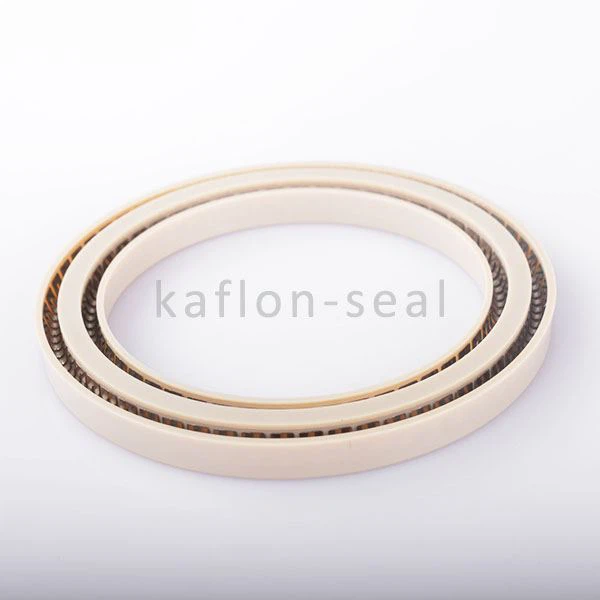
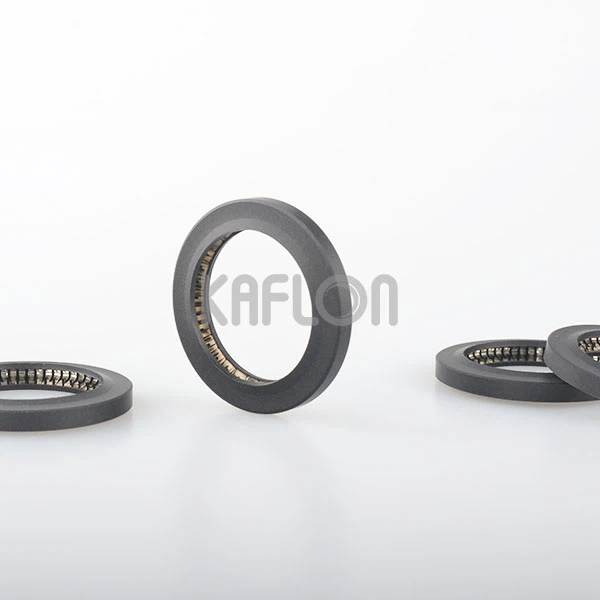
Consider the Seal Design
In addition to the material, consider the design of the seal. A well - designed seal can enhance its performance and weight - holding capacity. Look for seals with features such as proper cross - sectional shape, wall thickness, and reinforcement.
Conclusion
In conclusion, the maximum weight a plastic seal can hold depends on a variety of factors, including the material properties, seal design, and environmental conditions. As a plastic seal supplier, we are committed to providing our customers with high - quality seals that meet their specific requirements. By understanding the factors that affect the weight - holding capacity of plastic seals and choosing the right seal for your application, you can ensure the reliability and performance of your equipment.
If you are interested in purchasing plastic seals or have any questions about our products, please feel free to contact us for further discussion and negotiation. We are looking forward to serving you and helping you find the perfect plastic seal solution for your needs.
References
- Callister, W. D., & Rethwisch, D. G. (2018). Materials Science and Engineering: An Introduction. Wiley.
- Schaschke, H. (2012). Sealing Technology Handbook. Elsevier.