


 Popular Blog Posts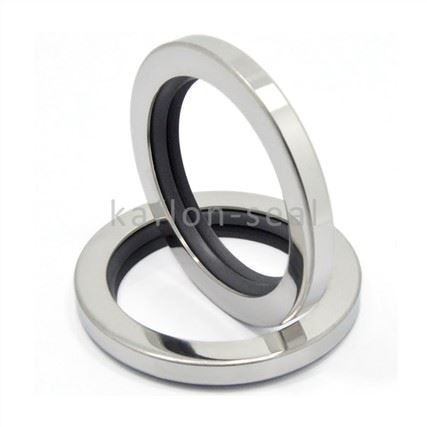



 Blog
BlogDust ingress into PTFE lip seals can significantly compromise their performance and longevity. As a leading PTFE lip seal supplier, we understand the importance of preventing dust from entering these seals to ensure optimal functionality in various applications. In this blog, we will explore effective strategies and best practices to safeguard PTFE lip seals from dust contamination.
Understanding the Impact of Dust on PTFE Lip Seals
PTFE (Polytetrafluoroethylene) lip seals are widely used in numerous industries due to their excellent chemical resistance, low friction coefficient, and high-temperature stability. However, dust particles can pose a serious threat to their performance. When dust enters the seal, it can cause abrasion, wear, and damage to the sealing lip. This can lead to leakage, reduced efficiency, and ultimately, premature failure of the seal.
In addition to physical damage, dust can also act as a carrier for contaminants such as moisture, chemicals, and abrasive particles. These contaminants can further accelerate the degradation of the PTFE material and compromise the integrity of the seal. Therefore, preventing dust from entering PTFE lip seals is crucial for maintaining their reliability and performance.
Selecting the Right PTFE Lip Seal
The first step in preventing dust ingress is to select the appropriate PTFE lip seal for your application. Different applications have different requirements, and choosing the right seal design and material is essential.
Seal Design
There are various types of PTFE lip seal designs available, each with its own advantages and limitations. For applications where dust protection is a primary concern, seals with a labyrinth design or additional dust lips can be highly effective. These designs create a tortuous path for dust particles, making it more difficult for them to reach the sealing lip.
Material Selection
The choice of PTFE material also plays a crucial role in dust prevention. Some PTFE formulations are specifically designed to be more resistant to abrasion and dust contamination. For example, PTFE compounds with added fillers such as glass fiber or carbon fiber can enhance the hardness and wear resistance of the seal, making it more resistant to dust-induced damage.
When selecting a PTFE lip seal, it is also important to consider the operating conditions, such as temperature, pressure, and speed. Our company offers a wide range of PTFE lip seals, including Radial PTFE Shaft Seal, Vacuum Operation PTFE Stainless Oil Seal, and Medical Equipment Rotary PTFE POB Oil Seal, which are designed to meet the specific requirements of different applications.
Environmental Protection
In addition to selecting the right seal, protecting the operating environment is also crucial for preventing dust from entering PTFE lip seals. Here are some effective environmental protection measures:
Enclosures
Installing enclosures around the equipment can help to keep dust out. Enclosures can be made of various materials, such as metal, plastic, or fiberglass, and can be designed to fit the specific shape and size of the equipment. They can also be equipped with filters or ventilation systems to further reduce dust contamination.
Filters
Using filters in the air intake or exhaust systems can help to remove dust particles from the air before they reach the equipment. There are various types of filters available, such as mechanical filters, electrostatic filters, and HEPA filters, each with its own filtration efficiency and application.
Cleaning and Maintenance
Regular cleaning and maintenance of the equipment and the surrounding environment can also help to prevent dust accumulation. This includes wiping down the equipment surfaces, vacuuming the floors, and changing the filters regularly.
Installation and Maintenance
Proper installation and maintenance of PTFE lip seals are also essential for preventing dust ingress. Here are some installation and maintenance tips:


Installation
- Ensure that the shaft and housing surfaces are clean and free of any debris or contaminants before installing the seal.
- Use the correct installation tools and techniques to avoid damaging the seal during installation.
- Make sure that the seal is installed in the correct orientation and position to ensure proper sealing performance.
Maintenance
- Regularly inspect the seals for signs of wear, damage, or contamination. Replace the seals if necessary.
- Lubricate the seals with the appropriate lubricant to reduce friction and wear.
- Follow the manufacturer's recommended maintenance schedule and procedures to ensure the long-term performance of the seals.
Conclusion
Preventing dust from entering PTFE lip seals is crucial for maintaining their performance and longevity. By selecting the right seal, protecting the operating environment, and ensuring proper installation and maintenance, you can significantly reduce the risk of dust contamination and extend the service life of your PTFE lip seals.
As a trusted PTFE lip seal supplier, we are committed to providing high-quality seals and comprehensive solutions to meet the diverse needs of our customers. If you have any questions or need further information about PTFE lip seals or dust prevention strategies, please feel free to contact us. We look forward to discussing your requirements and helping you find the best sealing solutions for your applications.
References
- "Sealing Technology Handbook" by John H. Bickford
- "PTFE Materials and Applications" by Brian W. Rosen