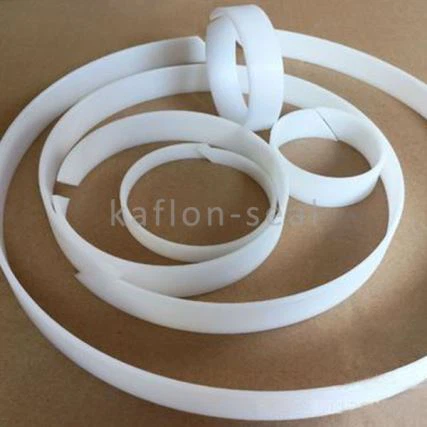

Hey there! As a supplier of F200 PTFE Virgin, I've seen my fair share of issues that customers run into when using this material. In this blog, I'm gonna walk you through some common problems with F200 PTFE Virgin and how to troubleshoot them.
1. Poor Sealing Performance
One of the most common problems with F200 PTFE Virgin is poor sealing performance. This can lead to leaks, which can be a real headache in industrial applications. There are a few reasons why this might happen.
Contamination
Contamination is a major culprit. If the F200 PTFE Virgin gets contaminated with dirt, oil, or other foreign substances during installation or use, it can affect its sealing ability. To fix this, make sure to clean the sealing surfaces thoroughly before installation. Use a clean, lint - free cloth and a suitable cleaning agent. Also, during the handling process, keep the material away from potential sources of contamination.
Improper Installation
Another reason for poor sealing could be improper installation. If the seal is not installed correctly, it might not form a proper seal. Make sure to follow the installation instructions carefully. Check the dimensions of the seal and the mating parts to ensure a proper fit. Sometimes, over - tightening or under - tightening the bolts can also cause problems. Use a torque wrench to tighten the bolts to the recommended torque values.
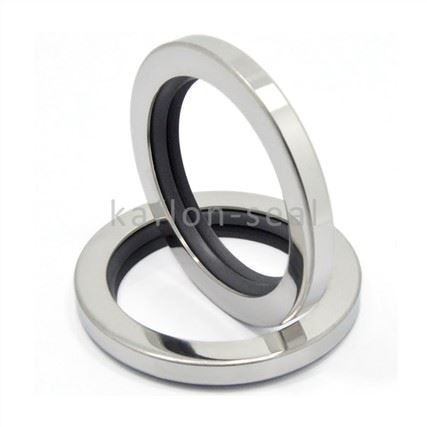
If you're looking for alternative sealing materials, you might want to check out PEEK Seal. It has some unique properties that could be suitable for certain applications.
2. Wear and Tear
F200 PTFE Virgin can experience wear and tear over time, especially in high - friction applications. This can reduce its lifespan and performance.
High Friction
High friction is the main cause of wear. If the F200 PTFE Virgin is in contact with a rough surface or is subjected to high loads, it will wear out faster. To reduce friction, you can use a lubricant. However, make sure the lubricant is compatible with PTFE. Some lubricants can react with PTFE and cause damage.
Material Selection
In some cases, the material itself might not be the best choice for the application. If the wear rate is too high, you could consider using a filled PTFE material. For example, F211 15% Graphite Filled PTFE has better wear resistance due to the graphite filler. The graphite acts as a solid lubricant, reducing friction and wear.
3. Chemical Compatibility Issues
F200 PTFE Virgin is generally resistant to a wide range of chemicals, but there are still some chemicals that can cause problems.
Chemical Attack
Some strong oxidizing agents or certain solvents can attack the F200 PTFE Virgin. If you notice any swelling, discoloration, or softening of the material, it could be a sign of chemical attack. Check the chemical compatibility chart to make sure the material is suitable for the chemicals it will be exposed to. If you're dealing with a particularly aggressive chemical, you might want to consider using a more chemically resistant material like F223 60% Bronze Filled PTFE.
Temperature and Chemical Interaction
Temperature can also affect the chemical compatibility of F200 PTFE Virgin. At higher temperatures, the material might be more susceptible to chemical attack. So, when considering chemical compatibility, take the operating temperature into account as well.
4. Deformation
Deformation of F200 PTFE Virgin can occur under certain conditions.
High Temperature
High temperature is a common cause of deformation. PTFE has a relatively low melting point compared to some other engineering plastics. If the operating temperature exceeds the recommended range, the material can start to deform. Make sure to operate the material within its temperature limits. If high - temperature operation is required, you might need to look for alternative materials or use additional cooling measures.
High Pressure
High pressure can also cause deformation. If the F200 PTFE Virgin is subjected to excessive pressure, it might deform out of shape. Check the pressure ratings of the material and make sure the application does not exceed these ratings. If necessary, reinforce the seal or use a different material that can withstand higher pressures.
5. Dimensional Instability
Dimensional instability can be a problem, especially in applications where precise dimensions are required.
Temperature Changes
Temperature changes can cause the F200 PTFE Virgin to expand or contract. This can lead to dimensional changes, which might affect the performance of the seal. To deal with this, you can use materials with lower coefficients of thermal expansion. Also, design the system in a way that can accommodate some degree of dimensional change.
Moisture Absorption
Although PTFE has low moisture absorption, in some environments, it can still absorb a small amount of moisture. This can cause minor dimensional changes. Keep the material in a dry environment and if possible, pre - condition the material before installation to minimize the effects of moisture.


6. Electrical Issues
In some applications, F200 PTFE Virgin is used for its electrical insulation properties. However, there can be electrical problems.
Static Electricity
Static electricity can build up on the surface of F200 PTFE Virgin, especially in dry environments. This can attract dust and other particles, which can affect the electrical performance. To reduce static electricity, you can use an anti - static agent or increase the humidity in the environment.
Electrical Breakdown
Electrical breakdown can occur if the material is subjected to high voltages. Make sure to check the dielectric strength of the F200 PTFE Virgin and ensure that the operating voltage does not exceed this value. If you need higher electrical insulation performance, you might need to use a material with better electrical properties.
Conclusion
Troubleshooting problems with F200 PTFE Virgin involves identifying the root causes, which can range from contamination and improper installation to wear and tear, chemical compatibility issues, and more. By following the tips mentioned above, you can solve many of the common problems associated with this material.
If you're facing persistent problems or need more in - depth advice, don't hesitate to reach out to us. We're here to help you find the best solutions for your specific applications. Whether you need more information about F200 PTFE Virgin or want to explore other materials like F211 15% Graphite Filled PTFE or F223 60% Bronze Filled PTFE, we're just a message away. Let's start a conversation and find the perfect material for your needs!
References
- PTFE Material Handbook, Various Industry Publications
- Manufacturer's Technical Documentation for F200 PTFE Virgin
- Chemical Compatibility Charts for PTFE - based Materials