
Hey there! As a supplier of hydraulic wipers, I often get asked a bunch of questions about our products. One question that pops up quite a bit is, "Can hydraulic wipers be used in pneumatic - hydraulic combined systems?" Today, I'm gonna dig deep into this topic and share what I know.
First off, let's quickly go over what hydraulic wipers and pneumatic - hydraulic combined systems are. Hydraulic wipers, well, they're a crucial part of hydraulic systems. Their main job is to keep dirt, dust, and other contaminants out of the system. They also help prevent the leakage of hydraulic fluid, which is super important for the smooth operation and long - term health of the system.
On the other hand, pneumatic - hydraulic combined systems use both compressed air (pneumatics) and hydraulic fluid to do their thing. These systems offer the advantages of both worlds. Pneumatics are great for fast - acting, lightweight operations, while hydraulics are known for their high - force capabilities. They're used in a wide range of industries, from manufacturing to automotive.
Now, the big question: Can hydraulic wipers work in these combined systems? The short answer is, it depends. There are a few factors we need to consider.
Compatibility with Fluids
In a pneumatic - hydraulic combined system, there are two types of "fluids" at play: compressed air and hydraulic fluid. Hydraulic wipers are designed to work with hydraulic fluids, which have specific properties like viscosity, lubricity, and chemical composition. Most of the time, they're made from materials that can withstand the pressure and chemical nature of these fluids.
When it comes to compressed air, it's generally less of a problem. Air is a clean medium compared to hydraulic fluid, and it doesn't have the same kind of chemical reactivity. However, if there's any moisture in the compressed air, that could be an issue. Some hydraulic wipers might not be resistant to water or humidity, and over time, this could cause the wiper material to degrade.
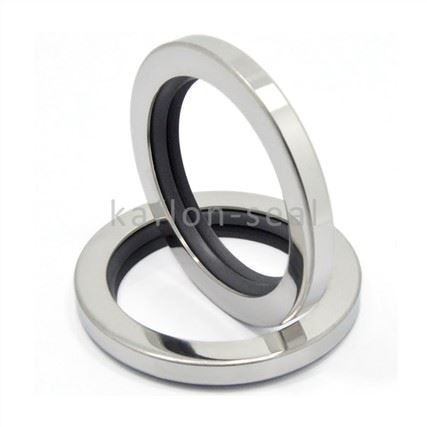
For example, our Phenolic Cloth Hydraulic Wiper is made from a special phenolic cloth material. It's great at resisting hydraulic fluids, but if it's constantly exposed to moist air, it might start to lose its shape or become less effective at sealing.
Pressure and Temperature
Pneumatic - hydraulic combined systems can experience a wide range of pressures and temperatures. Hydraulic systems usually operate at higher pressures compared to pneumatic systems. Hydraulic wipers are designed to handle these high pressures, but in a combined system, the pressure can fluctuate between the lower pneumatic pressures and the higher hydraulic pressures.


Temperature is another factor. Hydraulic fluids can heat up during operation, and the wipers need to be able to withstand these temperature changes. In a combined system, the temperature might also be affected by the compressed air, which can cool down as it expands.
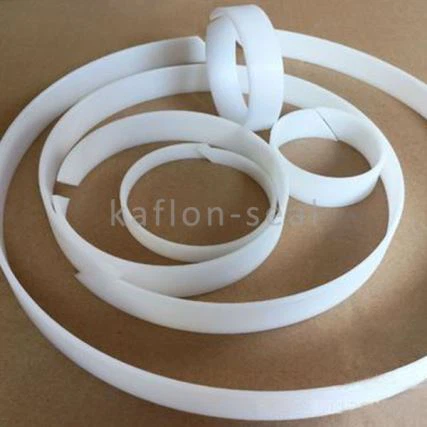
Our PTFE Guide Rings are a good example here. PTFE (polytetrafluoroethylene) is a material that can handle a wide range of temperatures and pressures. It's very stable and can adapt well to the changing conditions in a pneumatic - hydraulic combined system.
Sealing Performance
The sealing performance of hydraulic wipers is key. In a combined system, they need to seal both against the hydraulic fluid and the compressed air. A good seal prevents leakage, which can lead to loss of efficiency and potential damage to the system.
Some hydraulic wipers are designed with specific sealing lips or profiles to ensure a tight seal. However, in a combined system, the dynamics are a bit different. The alternating pressure between the pneumatic and hydraulic parts can put extra stress on the seal.
We also have Phenolic Fabric Guide Rings that can play a role in improving the overall sealing performance. These guide rings help keep the wiper in place and ensure a more consistent seal, which is crucial in a system with varying pressures.
Advantages of Using Hydraulic Wipers in Combined Systems
If the right hydraulic wipers are chosen for a pneumatic - hydraulic combined system, there are some real advantages.
First, they can help maintain the cleanliness of the system. By keeping dirt and contaminants out, they reduce the risk of wear and tear on other components. This can lead to longer system life and less maintenance.
Second, they can improve the sealing efficiency. A good hydraulic wiper can prevent both hydraulic fluid and compressed air from leaking, which means the system can operate at its best.
Challenges and Solutions
Of course, there are challenges when using hydraulic wipers in combined systems. As I mentioned earlier, moisture in the compressed air can be a problem. One solution is to use a dryer in the pneumatic part of the system to remove any moisture.
Another challenge is the changing pressure and temperature. To address this, we can select wipers made from materials that are more resistant to these changes. For example, some advanced rubber compounds can handle a wider range of pressures and temperatures.
Making the Right Choice
When it comes to choosing the right hydraulic wipers for a pneumatic - hydraulic combined system, it's important to do your homework. You need to consider the specific requirements of your system, like the type of hydraulic fluid, the pressure and temperature ranges, and the amount of moisture in the compressed air.
As a supplier, we're here to help. We have a team of experts who can analyze your system and recommend the best hydraulic wipers for your needs. We offer a wide range of products, from Phenolic Cloth Hydraulic Wiper to PTFE Guide Rings and Phenolic Fabric Guide Rings, all designed to meet different system requirements.
Contact Us for More
If you're in the market for hydraulic wipers for your pneumatic - hydraulic combined system, or if you have any questions about our products, don't hesitate to reach out. We're always happy to have a chat and help you find the right solution for your system. Whether you're a small business or a large industrial operation, we've got the products and expertise to support you.
References
- "Hydraulic Seals Handbook" by John Neale
- "Pneumatic Systems Design and Application" by Michael E. McCroskey