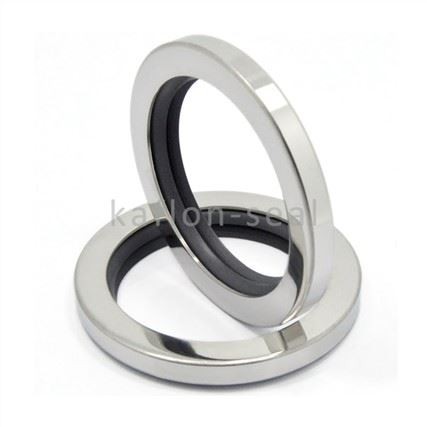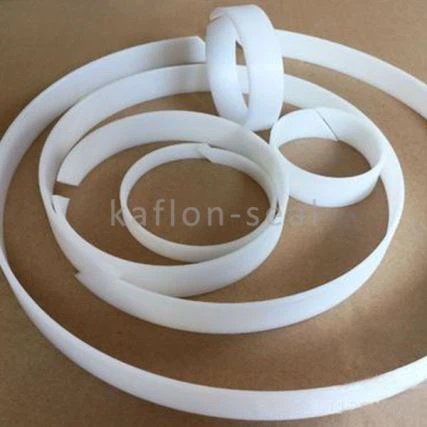

As a supplier of Spring Energized Seals, I've witnessed firsthand the critical role these seals play in various industrial applications. One of the most challenging environments for these seals is when they are exposed to steam. Steam can cause significant degradation to the seal materials, leading to reduced performance and shorter service life. In this blog, I'll share some effective strategies on how to improve the steam resistance of Spring Energized Seals.
Understanding the Impact of Steam on Spring Energized Seals
Before we delve into the solutions, it's essential to understand why steam poses such a threat to Spring Energized Seals. Steam is a high - energy medium that combines high temperature and moisture. The high temperature can cause the seal material to expand, lose its elasticity, and even melt in extreme cases. The moisture in the steam can lead to chemical reactions with the seal material, such as hydrolysis, which can break down the molecular structure of the material.
For example, in a steam - driven power generation plant, the Spring Energized Seals used in the turbine shafts are constantly exposed to high - pressure steam. If the seals do not have adequate steam resistance, they can fail prematurely, leading to leaks, reduced efficiency, and potential safety hazards.
Selecting the Right Seal Materials
The choice of seal material is crucial in improving steam resistance. Some materials are inherently more resistant to steam than others.
PTFE (Polytetrafluoroethylene)
PTFE is a popular choice for Spring Energized Seals due to its excellent chemical resistance, low friction coefficient, and high - temperature stability. It can withstand temperatures up to 260°C (500°F) and is highly resistant to steam. PTFE - based Spring Energized Seals, such as Spring Energized PTFE Piston Seals, are widely used in steam - related applications. The PTFE jacket provides a barrier against steam, while the spring inside maintains the sealing force.
Perfluoroelastomers (FFKM)
FFKM is another high - performance material with outstanding steam resistance. It can operate at temperatures up to 327°C (620°F) and has excellent chemical resistance to a wide range of aggressive chemicals, including steam. FFKM - based Spring Energized Seals are suitable for applications where extreme steam conditions are present, such as in the chemical and pharmaceutical industries.
Modified Polymer Blends
Some manufacturers have developed modified polymer blends that offer enhanced steam resistance. These blends combine the best properties of different polymers to create a material that can withstand the harsh conditions of steam exposure. For example, a blend of PTFE and a high - temperature elastomer can provide both the chemical resistance of PTFE and the elasticity of the elastomer.
Optimizing the Seal Design
In addition to selecting the right materials, the design of the Spring Energized Seal also plays a vital role in improving steam resistance.
Spring Design
The spring inside the seal is responsible for maintaining the sealing force. A well - designed spring can ensure that the seal remains in contact with the sealing surface even under high - temperature and high - pressure steam conditions. For example, a custom - designed spring with a high spring rate can provide a more consistent sealing force, reducing the risk of leaks.
Seal Geometry
The geometry of the seal can also affect its steam resistance. A seal with a larger contact area can distribute the sealing force more evenly, reducing the stress on the seal material. Additionally, a seal with a well - designed lip can prevent steam from entering the seal cavity, protecting the spring and the inner components of the seal. Spring Energized Rotary Rod Seals often have a unique lip design that is optimized for rotary applications in steam environments.
Surface Finish
The surface finish of the seal can also impact its steam resistance. A smooth surface finish can reduce the adhesion of steam and contaminants to the seal, preventing the formation of corrosion and degradation. Manufacturers can use advanced machining and polishing techniques to achieve a high - quality surface finish on the seal.
Surface Treatments and Coatings
Applying surface treatments and coatings to the seal can further enhance its steam resistance.
Anti - Corrosion Coatings
Anti - corrosion coatings can protect the seal material from the corrosive effects of steam. For example, a thin layer of chrome or nickel plating can provide a barrier against steam and prevent the formation of rust and corrosion on the seal surface.
Hydrophobic Coatings
Hydrophobic coatings can repel water and steam, reducing the amount of moisture that comes into contact with the seal material. These coatings can be applied to the outer surface of the seal to improve its steam resistance.
Lubricant Coatings
Lubricant coatings can reduce friction between the seal and the sealing surface, improving the seal's performance in steam environments. A lubricant coating can also prevent the build - up of debris and contaminants on the seal, extending its service life.
Proper Installation and Maintenance
Proper installation and maintenance are essential for ensuring the long - term steam resistance of Spring Energized Seals.


Installation
During installation, it's important to follow the manufacturer's instructions carefully. The seal should be installed in a clean and dry environment to prevent the introduction of contaminants. The sealing surface should be smooth and free of scratches or damage to ensure a proper seal.
Maintenance
Regular maintenance is crucial for detecting and addressing any issues with the seal before they lead to failure. This includes inspecting the seal for signs of wear, damage, or leakage, and replacing the seal if necessary. Additionally, monitoring the operating conditions, such as temperature and pressure, can help identify any potential problems early on.
Conclusion
Improving the steam resistance of Spring Energized Seals requires a comprehensive approach that includes selecting the right materials, optimizing the seal design, applying surface treatments and coatings, and ensuring proper installation and maintenance. As a supplier of Spring Energized Seals, we are committed to providing our customers with high - quality seals that can withstand the most challenging steam environments.
If you are looking for reliable Spring Energized Seals with excellent steam resistance, we invite you to contact us for a detailed discussion about your specific requirements. Our team of experts can help you select the most suitable seal for your application and provide you with the best solutions to ensure optimal performance.
References
- "Sealing Technology Handbook" by John H. Bickford
- "Materials Science and Engineering: An Introduction" by William D. Callister Jr. and David G. Rethwisch
- Industry whitepapers on Spring Energized Seals and steam - resistant materials