


 Popular Blog Posts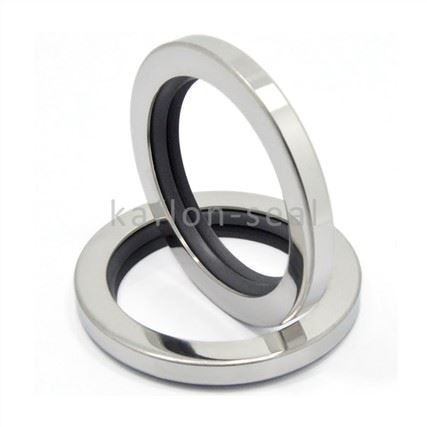


 Blog
BlogA radial oil seal, also known as a rotary shaft seal, is a crucial component in various mechanical systems, playing a vital role in preventing the leakage of fluids, such as oil and grease, and keeping contaminants out. As a supplier of radial oil seals, I am well - versed in their functionality and importance. In this blog, I will delve into how a radial oil seal works and why it is an indispensable part of many machines.
Basic Structure of a Radial Oil Seal
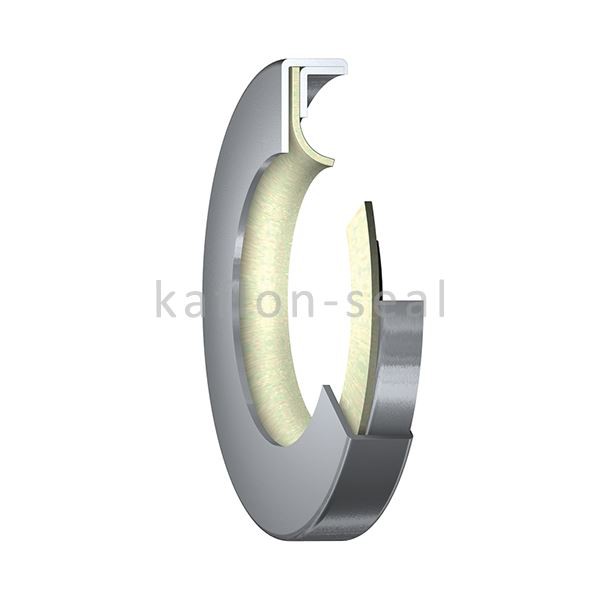
Before understanding how a radial oil seal works, it's essential to know its basic structure. A typical radial oil seal consists of three main parts: the sealing lip, the metal case, and the garter spring.
The sealing lip is the part that comes into direct contact with the rotating shaft. It is usually made of elastomeric materials like nitrile rubber (NBR), fluorocarbon rubber (FKM), or silicone rubber, depending on the application requirements. These materials offer excellent flexibility, wear resistance, and chemical compatibility.
The metal case provides structural support to the seal. It is typically made of steel or stainless steel and is designed to fit snugly into the housing bore. The metal case helps to maintain the proper alignment of the seal and ensures a secure fit within the system.
The garter spring is a small, coiled spring that applies a radial force to the sealing lip. This force helps to keep the lip in close contact with the rotating shaft, creating a tight seal.
Working Principle of a Radial Oil Seal
The working principle of a radial oil seal is based on the concept of creating a dynamic seal between a rotating shaft and a stationary housing. When the shaft rotates, the sealing lip of the radial oil seal rides on the surface of the shaft, forming a barrier that prevents the leakage of fluids and the ingress of contaminants.

Sealing Mechanism
The sealing lip of the radial oil seal is designed with a specific profile that allows it to conform to the surface of the rotating shaft. When the seal is installed, the garter spring applies a radial force to the lip, causing it to press against the shaft. This creates a contact pressure between the lip and the shaft, which is the key to achieving a reliable seal.
As the shaft rotates, a thin film of lubricant is formed between the sealing lip and the shaft surface. This lubricant film helps to reduce friction and wear, while also providing a hydrodynamic effect that aids in sealing. The hydrodynamic effect is based on the fact that the rotating shaft drags the lubricant along its surface, creating a pressure gradient that helps to keep the lubricant inside the system and prevent leakage.
Fluid Film Formation
The formation of the fluid film is crucial for the proper functioning of the radial oil seal. If the fluid film is too thick, it may lead to excessive leakage, while if it is too thin, it may cause increased friction and wear, leading to premature seal failure.
The thickness of the fluid film is influenced by several factors, including the speed of the rotating shaft, the viscosity of the lubricant, the surface roughness of the shaft, and the contact pressure between the lip and the shaft. Manufacturers carefully design the sealing lip profile and select the appropriate materials to ensure that the fluid film thickness is optimized for the specific application.
Contaminant Exclusion
In addition to preventing fluid leakage, radial oil seals also play an important role in excluding contaminants from the system. The sealing lip acts as a barrier that prevents dirt, dust, water, and other foreign particles from entering the housing. The design of the lip, along with the contact pressure applied by the garter spring, helps to keep contaminants out and protect the internal components of the machine.
Factors Affecting the Performance of a Radial Oil Seal
Several factors can affect the performance of a radial oil seal, including:
Shaft Surface Finish
The surface finish of the rotating shaft is critical for the proper functioning of the radial oil seal. A smooth shaft surface helps to reduce friction and wear, while also promoting the formation of a stable fluid film. Rough or damaged shaft surfaces can cause excessive wear on the sealing lip, leading to leakage and premature seal failure.
Shaft Speed
The speed of the rotating shaft has a significant impact on the performance of the radial oil seal. At high speeds, the centrifugal force generated by the rotating shaft can cause the lubricant to be thrown off the shaft surface, leading to a reduction in the fluid film thickness. This can result in increased friction and wear, as well as a higher risk of leakage.
Temperature
Temperature is another important factor that affects the performance of radial oil seals. High temperatures can cause the elastomeric materials of the sealing lip to degrade, reducing their flexibility and sealing performance. On the other hand, low temperatures can make the materials brittle, increasing the risk of cracking and seal failure.
Chemical Compatibility
The chemical compatibility between the sealing material and the fluid being sealed is crucial. Different fluids, such as oils, fuels, and chemicals, have different chemical properties, and the sealing material must be able to withstand the effects of these fluids without degradation. For example, if a seal is exposed to a corrosive fluid, it may cause the sealing lip to swell, harden, or crack, leading to leakage.
Different Types of Radial Oil Seals and Their Applications
There are several different types of radial oil seals available, each designed for specific applications. Some of the common types include:
Standard Radial Oil Seals
Standard radial oil seals are the most commonly used type of seal. They are suitable for a wide range of applications, including automotive engines, industrial machinery, and hydraulic systems. These seals are typically made of nitrile rubber or fluorocarbon rubber and are designed to provide reliable sealing performance under normal operating conditions.
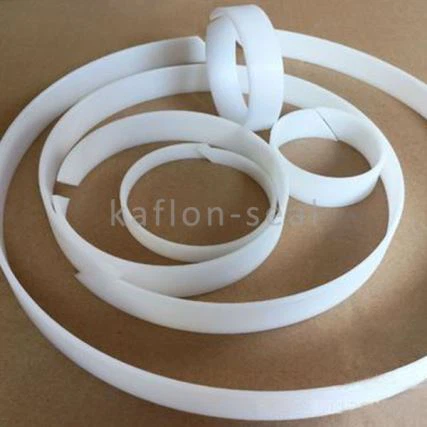
PTFE Lip Seal
PTFE (polytetrafluoroethylene) lip seals are known for their excellent chemical resistance and low friction properties. They are often used in applications where the seal is exposed to aggressive chemicals or high - temperature environments. PTFE lip seals can provide a long - service life and reliable sealing performance in demanding conditions.
Dynamic Sealing Rotary Shaft Seal Ring
Dynamic sealing rotary shaft seal rings are designed for applications where high - speed rotation and high - pressure conditions are present. These seals typically have a more complex design and are made of advanced materials to withstand the extreme operating conditions. They are commonly used in pumps, compressors, and other high - performance machinery.
Friction Coefficients PTFE Oil Seal Seal
Friction coefficients PTFE oil seal seals are specifically designed to have low friction coefficients, which helps to reduce energy consumption and wear. These seals are often used in applications where energy efficiency is a priority, such as electric vehicles and high - precision machinery.
Importance of Proper Installation and Maintenance
Proper installation and maintenance are essential for ensuring the optimal performance and longevity of radial oil seals. During installation, it is important to follow the manufacturer's guidelines to ensure that the seal is installed correctly. This includes cleaning the shaft and housing bore, applying a suitable lubricant to the sealing lip, and using the proper installation tools to avoid damaging the seal.
Regular maintenance is also crucial for the proper functioning of radial oil seals. This includes inspecting the seals for signs of wear, damage, or leakage, and replacing them as needed. Additionally, maintaining the proper lubrication levels and ensuring that the system is free from contaminants can help to extend the service life of the seals.
Conclusion
Radial oil seals are essential components in many mechanical systems, providing a reliable solution for preventing fluid leakage and excluding contaminants. Their working principle is based on the creation of a dynamic seal between a rotating shaft and a stationary housing, through the application of a radial force to the sealing lip and the formation of a fluid film.
As a supplier of radial oil seals, we offer a wide range of high - quality seals to meet the diverse needs of our customers. Whether you are looking for a standard radial oil seal for a general - purpose application or a specialized seal for a high - performance system, we have the expertise and products to provide you with the best solution.
If you are interested in purchasing radial oil seals for your application, please feel free to contact us for more information and to discuss your specific requirements. Our team of experts is ready to assist you in selecting the right seal and ensuring its proper installation and performance.
References
- "Handbook of Seal Technology" by D. Dowson, M. Godfrey, and A. Scruby
- "Rotary Shaft Seals: Design, Materials, and Applications" by various industry experts