
Spring energized seals are essential components in various industrial applications, offering reliable sealing solutions under diverse operating conditions. One of the critical properties that determine the performance of these seals is the compression modulus. In this blog post, we'll explore what the compression modulus of spring energized seals is, why it matters, and how it impacts the functionality of these seals. As a leading supplier of spring energized seals, we have in - depth knowledge and experience in this field, and we're eager to share our insights with you.
Understanding the Compression Modulus
The compression modulus, also known as Young's modulus in the context of elastic materials, is a measure of a material's stiffness or its ability to resist deformation under compression. For spring energized seals, the compression modulus is a key parameter that describes how the seal material responds when it is squeezed between two surfaces.
Mathematically, the compression modulus (E) is defined as the ratio of the stress (σ) applied to the material to the resulting strain (ε) within the elastic range of the material. The formula is (E=\frac{\sigma}{\varepsilon}), where stress is the force per unit area applied to the seal, and strain is the relative change in the seal's dimension due to the applied force.
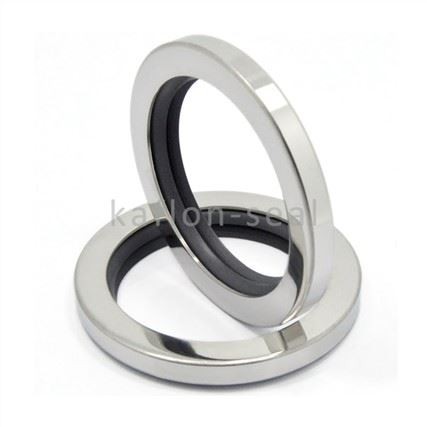
In the case of spring energized seals, the seal typically consists of a sealing element (usually made of a polymer such as PTFE) and a spring. The compression modulus of the sealing element plays a crucial role in determining how well the seal can conform to the mating surfaces and maintain a tight seal. A higher compression modulus means that the material is stiffer and will deform less under a given load, while a lower compression modulus indicates a more flexible material that can conform more easily to irregularities on the sealing surfaces.
Importance of Compression Modulus in Spring Energized Seals
Sealing Performance
The compression modulus directly affects the sealing performance of spring energized seals. When a seal is installed, it needs to be compressed to create a sealing force against the mating surfaces. A seal with an appropriate compression modulus will be able to maintain a consistent sealing force over time, even as the operating conditions change. If the compression modulus is too high, the seal may not be able to conform well to surface irregularities, leading to potential leakage paths. On the other hand, if the compression modulus is too low, the seal may be easily over - compressed, losing its ability to maintain a proper sealing force and potentially leading to premature failure.
Durability and Longevity
The compression modulus also impacts the durability and longevity of spring energized seals. A seal with a suitable compression modulus can withstand repeated compression and relaxation cycles without significant permanent deformation. This is especially important in applications where the seal is subjected to dynamic loads or vibrations. Over time, a seal with an improper compression modulus may experience excessive wear, cracking, or loss of elasticity, reducing its service life and increasing the need for frequent replacements.
Compatibility with Operating Conditions
Different applications have different operating conditions, such as temperature, pressure, and chemical exposure. The compression modulus of a spring energized seal can change depending on these conditions. For example, at high temperatures, the compression modulus of some polymers may decrease, making the seal more flexible. A good understanding of how the compression modulus varies with operating conditions is essential for selecting the right seal for a specific application. This ensures that the seal will maintain its sealing performance and durability throughout its service life.
Factors Affecting the Compression Modulus of Spring Energized Seals
Material Composition
The material used to make the sealing element of the spring energized seal has a significant impact on its compression modulus. Common materials for spring energized seals include PTFE (polytetrafluoroethylene), which is known for its excellent chemical resistance and low friction properties. The compression modulus of PTFE can be modified by adding fillers such as glass fiber. PTFE with Glass Fiber Spring Seals are a popular choice in applications where higher stiffness and wear resistance are required. The addition of glass fiber increases the compression modulus of the PTFE, making the seal more rigid and better able to withstand higher pressures.
Manufacturing Process
The manufacturing process of the spring energized seal can also affect its compression modulus. Processes such as molding, extrusion, and machining can introduce internal stresses and variations in the material structure, which in turn can influence the compression modulus. For example, improper molding conditions may result in a non - uniform distribution of the material, leading to variations in the compression modulus across the seal. A well - controlled manufacturing process is essential to ensure consistent and reliable compression modulus values for the seals.
Temperature and Pressure
As mentioned earlier, temperature and pressure are important factors that can affect the compression modulus of spring energized seals. High temperatures can cause the polymer material to expand and become more flexible, reducing its compression modulus. Conversely, low temperatures can make the material more brittle and increase its compression modulus. Similarly, high pressures can cause the seal to deform more, which may also affect the compression modulus. It is crucial to consider the expected temperature and pressure ranges in the application when selecting a spring energized seal with an appropriate compression modulus.


Selecting the Right Spring Energized Seal Based on Compression Modulus
When choosing a spring energized seal for a specific application, it is essential to consider the required compression modulus. Here are some steps to guide you through the selection process:
Analyze the Application Requirements
Understand the operating conditions of the application, including temperature, pressure, chemical environment, and the type of motion (static or dynamic). Determine the sealing performance requirements, such as the maximum allowable leakage rate and the expected service life of the seal.
Evaluate the Compression Modulus of Available Seals
Work with a reliable seal supplier to obtain information about the compression modulus of different spring energized seals. Consider seals made from materials that are compatible with the application environment and have compression modulus values that are suitable for the expected loads and deformations. For example, if the application requires a seal to conform well to rough surfaces, a seal with a lower compression modulus may be more appropriate. On the other hand, if the seal needs to withstand high pressures, a seal with a higher compression modulus may be necessary.
Consider Other Factors
In addition to the compression modulus, other factors such as the type of spring, the seal geometry, and the surface finish of the mating parts also play important roles in the sealing performance. For example, Piston Engineering Machinery Seals With PTFE are designed to meet the specific requirements of piston applications, taking into account factors such as the piston speed, the pressure differential, and the lubrication conditions.
Our Offerings as a Spring Energized Seal Supplier
As a professional spring energized seal supplier, we offer a wide range of seals with different compression modulus values to meet the diverse needs of our customers. Our seals are made from high - quality materials and are manufactured using advanced processes to ensure consistent and reliable performance.
We have a team of experienced engineers who can help you select the right spring energized seal for your application. Whether you need a seal for a high - pressure hydraulic system, a chemical processing plant, or a food and beverage application, we can provide you with the best solution. Our High Performance PTFE Spring Energized Lip Seals are designed to offer excellent sealing performance in various dynamic applications, with a carefully selected compression modulus to ensure optimal performance.
Contact Us for Procurement and Consultation
If you are in the market for spring energized seals and need more information about compression modulus or other technical aspects, we are here to help. Our team of experts can provide you with detailed product information, technical support, and customized solutions based on your specific requirements.
Don't hesitate to reach out to us for procurement and consultation. We look forward to working with you to find the best spring energized seal solutions for your applications.
References
- "Sealing Technology Handbook" by John A. Schey
- "Materials Science and Engineering: An Introduction" by William D. Callister Jr. and David G. Rethwisch
- Technical literature from leading seal manufacturers and industry associations