
Can hydraulic seals work in high - temperature environments? Well, that's a question I get asked a lot as a hydraulic seals supplier. Let's dig into this topic and see what's what.
First off, we need to understand the basics. Hydraulic seals are crucial components in hydraulic systems. They prevent the leakage of hydraulic fluid, which is essential for the proper functioning of machinery. Whether it's in construction equipment, manufacturing machinery, or automotive applications, hydraulic seals play a vital role.
Now, high - temperature environments can be a real challenge for hydraulic seals. You see, heat can have a significant impact on the materials that make up these seals. Most commonly used elastomers, like nitrile rubber or fluorocarbon rubber, start to change their properties when exposed to high temperatures. They can become softer, lose their elasticity, and even start to degrade chemically.
For instance, nitrile rubber, which is known for its good oil resistance and relatively low cost, has a limited temperature range. It typically starts to lose its performance at around 100°C (212°F). As the temperature rises above this point, the rubber may start to swell, and its sealing ability will be compromised. Fluorocarbon rubber, on the other hand, has a higher temperature resistance. It can usually handle temperatures up to around 200 - 250°C (392 - 482°F), but it's also more expensive.
However, not all hope is lost for using hydraulic seals in high - temperature situations. There are some specialized seals that are designed to perform well in these tough conditions.
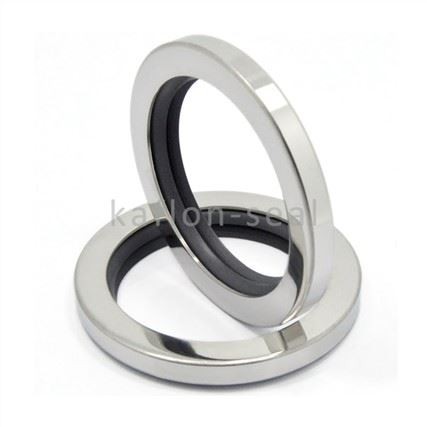
Let's talk about Hydraulic Seals For Single And Double Acting. These seals are engineered to provide reliable sealing in both single - acting and double - acting hydraulic cylinders. Some of these seals are made from advanced materials that can withstand higher temperatures. For example, certain types of silicone - based materials can operate at elevated temperatures without significant loss of performance. They have good flexibility and can maintain their sealing integrity even when the temperature fluctuates.
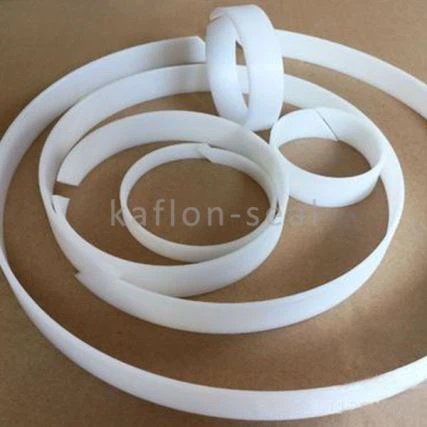
Another great option is the PTFE Filled With Carbon Glyd Ring. PTFE, or polytetrafluoroethylene, is known for its excellent chemical resistance and low friction properties. When it's filled with carbon, it becomes even more suitable for high - temperature applications. The carbon filling enhances its strength and wear resistance, allowing it to handle the increased heat and pressure that come with high - temperature environments. These rings are often used in hydraulic systems where there is a need for precise sealing and durability, even under extreme conditions.
The Rotating Glyd Ring is also a notable choice. Rotating applications can generate a lot of heat due to friction. The rotating glyd ring is designed to reduce this friction and handle the associated heat. It has a special design that allows for smooth rotation while maintaining an effective seal. This makes it ideal for use in high - speed rotating hydraulic components, such as pumps and motors operating in high - temperature settings.
But it's not just about the type of seal. Installation and maintenance also play a huge role in ensuring that hydraulic seals can work in high - temperature environments. For example, proper lubrication is essential. When the temperature is high, the lubricating properties of the hydraulic fluid can change. So, you need to use a high - temperature - resistant hydraulic fluid that can provide adequate lubrication to the seals. This helps to reduce friction and wear, which in turn extends the life of the seals.
In addition, the way the seals are installed matters a great deal. If they are not installed correctly, they may be more prone to damage, especially in high - temperature conditions. Proper alignment, correct compression, and avoiding any sharp edges during installation are all important factors.
Monitoring the seals is also crucial. Regular inspections can help detect any signs of wear or damage early on. If you notice any leakage, deformation, or other issues, it's important to replace the seals as soon as possible. This can prevent more serious problems in the hydraulic system and save you from costly repairs down the road.


So, to answer the question, yes, hydraulic seals can work in high - temperature environments. But it requires careful selection of the right type of seal, proper installation, and regular maintenance. As a hydraulic seals supplier, I've seen firsthand how important it is to choose the appropriate seals for the specific application. If you're dealing with high - temperature hydraulic systems, don't hesitate to reach out and discuss your needs. We can help you find the best seals that will perform reliably and keep your machinery running smoothly.
If you're interested in learning more about our hydraulic seals or have any questions regarding high - temperature applications, feel free to contact us for a procurement discussion. We're here to provide you with the best solutions for your hydraulic needs.
References
- Donnelly, J. (2019). Handbook of Hydraulic Seals. Elsevier.
- Smith, A. (2020). High - Temperature Materials for Sealing Applications. Journal of Sealing Technology, 15(2), 34 - 45.