


 Popular Blog Posts


 Blog
BlogHey there! As a plastic seal supplier, I get asked all the time about how to choose the right plastic seal. It's not as straightforward as you might think, and there are a bunch of factors you need to consider. In this blog, I'll walk you through the key points to keep in mind when you're in the market for a plastic seal.
Material Matters
First off, the material of the plastic seal is super important. Different materials have different properties, and you need to pick one that suits your specific needs.
- PEEK (Polyether Ether Ketone): This is a high-performance thermoplastic. It's got excellent chemical resistance, can handle high temperatures, and has great mechanical strength. If you're working in an environment where there are harsh chemicals or high heat, F260 PEEK could be a great choice. For example, in the aerospace industry, where parts are exposed to extreme conditions, PEEK seals are often used.
- POM (Polyoxymethylene): Also known as acetal, POM is a semi - crystalline thermoplastic. It has good dimensional stability, low friction, and high stiffness. It's commonly used in applications where precision is key, like in small mechanical parts. F265 POM is a great option if you need a seal that can maintain its shape and perform well in low - friction situations.
Application Requirements
Think about where and how the plastic seal will be used. This will have a huge impact on your choice.
- Temperature: If the seal will be exposed to high temperatures, you need a material that can withstand the heat without deforming or losing its sealing properties. On the other hand, if it's for a cold environment, the material should remain flexible and not become brittle. For example, in a food processing plant where there are both hot cooking areas and cold storage rooms, you need to choose a seal that can handle the temperature variations.
- Pressure: High - pressure applications require seals that can maintain their integrity under stress. If the seal fails under pressure, it can lead to leaks, which can be a big problem, especially in industries like oil and gas. Make sure to choose a seal with the appropriate pressure rating for your application.
- Chemical Exposure: If the seal will come into contact with chemicals, it's crucial to select a material that is resistant to those chemicals. Some plastics can be easily corroded by certain chemicals, which can compromise the seal's performance. For instance, in a chemical manufacturing plant, you need to know exactly what chemicals the seal will be exposed to and choose a material accordingly.
Size and Shape
Getting the right size and shape of the plastic seal is essential for a proper fit.
- Size: Measure the area where the seal will be installed accurately. A seal that is too big or too small won't work effectively. It might not create a proper seal, or it could be difficult to install. Make sure to double - check your measurements before placing an order.
- Shape: There are different shapes of plastic seals available, such as O - rings, T - seals, and gaskets. Each shape is designed for a specific application. For example, O - rings are commonly used for static sealing applications, while T - seals are great for dynamic applications. If you're looking for a T - seal supplier in China, check out T Seal Supplier China.
Quality and Durability
You don't want to invest in a plastic seal that will break or wear out quickly. Look for seals that are made with high - quality materials and have a good reputation for durability.
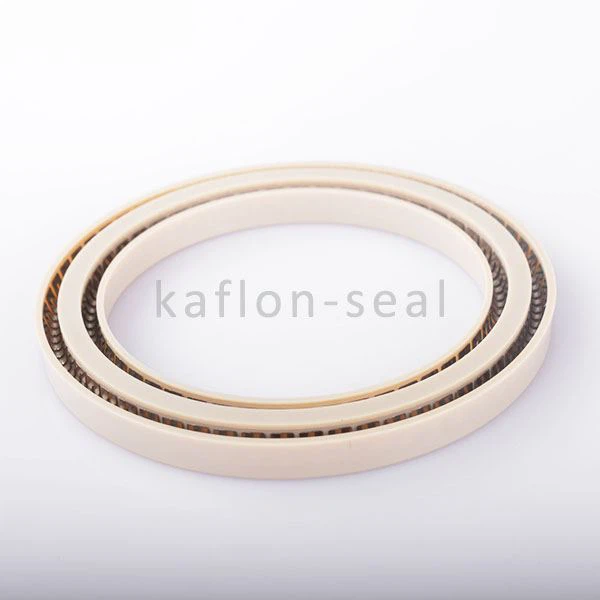

- Manufacturing Process: A well - made seal is the result of a proper manufacturing process. Look for suppliers who use advanced manufacturing techniques and quality control measures. This ensures that each seal meets the required standards.
- Testing: Reputable suppliers will test their seals to ensure they meet the specified performance criteria. This includes testing for things like leakage, pressure resistance, and chemical compatibility. Make sure to ask your supplier about their testing procedures.
Cost - Effectiveness
While you don't want to skimp on quality, you also need to consider the cost. Compare prices from different suppliers, but don't just go for the cheapest option. Remember, a higher - quality seal might cost more upfront, but it could save you money in the long run by reducing the need for frequent replacements.
Supplier Reputation
The reputation of the supplier is also an important factor. A reliable supplier will provide you with good - quality products, excellent customer service, and timely delivery. Look for reviews and testimonials from other customers to get an idea of the supplier's track record. As a plastic seal supplier myself, I always strive to provide the best products and service to my customers.
Conclusion
Choosing the right plastic seal is a multi - step process that involves considering the material, application requirements, size and shape, quality and durability, cost - effectiveness, and the supplier's reputation. By taking the time to evaluate these factors, you can make an informed decision and select a plastic seal that will meet your needs.
If you're in the market for plastic seals and have any questions or need help with your selection, don't hesitate to reach out. We're here to assist you in finding the perfect seal for your application. Whether you're in the automotive, aerospace, food processing, or any other industry, we've got the expertise and products to meet your requirements. Let's start a conversation and see how we can work together to solve your sealing needs.
References
- "Plastic Materials Handbook" by John Murphy
- "Sealing Technology" by Mark Hutchings