


 Popular Blog Posts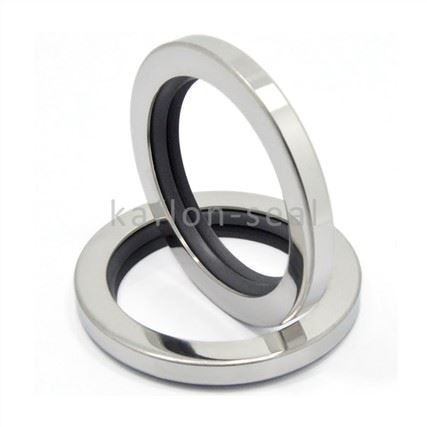


 Blog
BlogDo hydraulic wear rings have any impact on the vibration of hydraulic equipment? That's a question I get asked a lot as a supplier of Hydraulic Wear Rings. And the short answer is yes, they do. But to really understand how and why, we need to dive a bit deeper into the world of hydraulic systems.
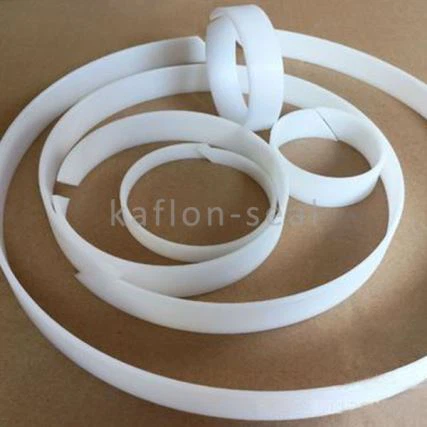
First off, let's talk about what hydraulic wear rings are and what they do. Hydraulic wear rings are small, usually ring - shaped components that are installed in hydraulic cylinders. Their main job is to guide the piston or rod within the cylinder, preventing metal - to - metal contact between moving parts. This helps to reduce friction, minimize wear and tear, and extend the lifespan of the hydraulic equipment.
Now, let's get into how they relate to vibration. Vibration in hydraulic equipment can be caused by a variety of factors. One of the most common causes is misalignment. When the piston or rod isn't properly aligned within the cylinder, it can cause uneven forces to be applied, leading to vibrations. This is where hydraulic wear rings come in. By providing a smooth and stable guide for the piston or rod, they help to ensure proper alignment. If the wear rings are in good condition and properly installed, they can significantly reduce the chances of misalignment - induced vibration.
Another factor that can cause vibration is the presence of contaminants in the hydraulic fluid. These contaminants can get between the moving parts, causing them to move unevenly and creating vibrations. Hydraulic wear rings act as a barrier to some extent. They help to keep contaminants away from the critical contact surfaces, reducing the likelihood of uneven movement and vibration.
But what if the wear rings themselves are worn out or damaged? Well, that's a whole different story. Worn - out wear rings can actually contribute to vibration. When the wear rings are worn, they may not be able to provide a consistent and stable guide for the piston or rod. This can lead to increased play between the moving parts, causing them to move erratically and generate vibrations. So, it's crucial to regularly inspect and replace hydraulic wear rings as needed.
Let's take a look at some real - world scenarios. In a manufacturing plant that uses hydraulic presses, if the hydraulic wear rings in the cylinders are in good shape, the presses will operate smoothly with minimal vibration. This not only improves the quality of the products being manufactured but also reduces the stress on the entire hydraulic system. On the other hand, if the wear rings are worn, the presses may start to vibrate excessively. This can lead to premature wear of other components in the system, such as seals and valves. And we all know that replacing these components can be costly and time - consuming.
Now, let's talk about the relationship between hydraulic wear rings and other hydraulic seals. For example, Piston T Seal and Hydraulic PU Seal. These seals work in conjunction with the wear rings to ensure the proper functioning of the hydraulic system. The seals prevent fluid leakage, while the wear rings guide the moving parts. If the wear rings are causing excessive vibration, it can put additional stress on the seals. This may lead to seal failure, which can result in fluid leakage and further system problems.
So, as a supplier of hydraulic wear rings, I can't stress enough the importance of choosing the right wear rings for your hydraulic equipment. You need to consider factors such as the type of hydraulic system, the operating conditions, and the expected load. Different applications may require different materials and designs of wear rings. For high - pressure applications, for example, you may need wear rings made of a more durable material.
If you're experiencing vibration in your hydraulic equipment, don't just ignore it. It could be a sign that your hydraulic wear rings need attention. You can start by inspecting the wear rings for signs of wear, such as scratches, cracks, or excessive wear on the surface. If you're not sure how to do this, you can always consult with a professional or reach out to us.


We're here to help you find the best hydraulic wear rings for your needs. Whether you're in the manufacturing industry, construction, or any other field that uses hydraulic equipment, we've got you covered. Our team of experts can provide you with detailed advice on selecting the right wear rings, as well as installation and maintenance tips.
If you're interested in learning more about our Hydraulic Wear Rings or have any questions regarding their impact on hydraulic equipment vibration, feel free to get in touch. We're always happy to have a chat and discuss how we can help you improve the performance and reliability of your hydraulic systems.
In conclusion, hydraulic wear rings do have a significant impact on the vibration of hydraulic equipment. They can either reduce vibration when they're in good condition or contribute to it when they're worn or damaged. So, make sure to take good care of your wear rings and choose the right ones for your application.
References:
- "Hydraulic System Handbook" by an industry expert in hydraulic engineering
- Technical papers on hydraulic component design and performance from leading hydraulic research institutions