
Hey there! As a supplier of Pom Guide Rings, I often get asked about how to select the right material for these guide rings. It's a crucial decision because the material you choose can significantly impact the performance and lifespan of your equipment. So, let's dive into this topic and explore the key factors to consider when picking the perfect material for Pom Guide Rings.
Understanding the Basics of Pom Guide Rings
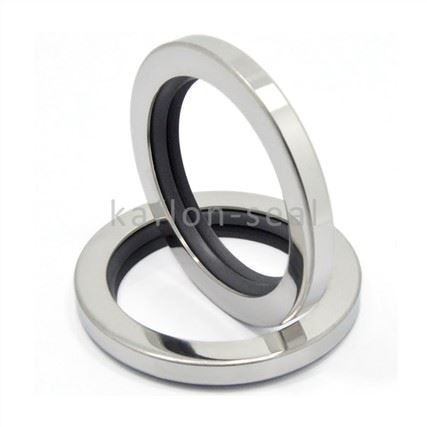
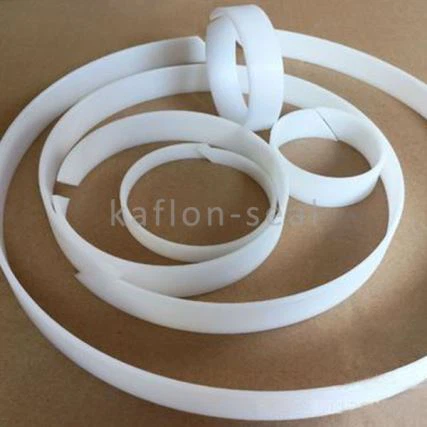
First off, let's quickly go over what Pom Guide Rings are. These rings are used in various applications, mainly in hydraulic and pneumatic systems. They help guide pistons and rods, ensuring smooth and accurate movement. By reducing friction and wear, they play a vital role in maintaining the efficiency and reliability of the equipment.
Factors to Consider When Selecting Materials
1. Operating Conditions
One of the most important factors is the operating conditions where the Pom Guide Rings will be used. If the system operates at high temperatures, you need a material that can withstand heat without losing its properties. For example, some materials may become soft or brittle at high temperatures, which can lead to premature failure.
On the other hand, if the environment is wet or involves exposure to chemicals, the material should be resistant to corrosion and chemical attack. For instance, in a marine application, the guide rings need to be able to handle saltwater without deteriorating.
2. Load and Pressure
The amount of load and pressure the guide rings will experience is another critical factor. High - load applications require materials with high strength and wear resistance. A material that can't handle the load may deform or break, causing the system to malfunction.
3. Friction and Wear
Friction is the enemy of smooth operation. You want a material that has low friction coefficients to reduce energy consumption and prevent excessive wear. Some materials are specifically designed to have self - lubricating properties, which can be a great advantage in reducing friction.
4. Compatibility
The material of the Pom Guide Rings must be compatible with other components in the system. For example, it should not react chemically with the hydraulic fluid or the metal parts it comes into contact with. Incompatibility can lead to swelling, degradation, or other issues that can affect the performance of the entire system.
Different Materials for Pom Guide Rings
Phenolic Fabric Guide Rings
Phenolic fabric guide rings are a popular choice for many applications. These rings are made by impregnating fabric with phenolic resin. They offer excellent mechanical properties, including high strength and wear resistance.


Phenolic fabric guide rings can handle moderate to high loads and pressures. They also have good dimensional stability, which means they maintain their shape and size even under different operating conditions. You can learn more about them Phenolic Fabric Guide Rings.
Wear - resistant Guide Ring
As the name suggests, wear - resistant guide rings are designed to withstand a lot of wear. These rings are often made from special polymers or composite materials that have been engineered to have superior wear properties.
They are ideal for applications where there is a lot of sliding or rubbing, such as in heavy - duty machinery. The wear - resistant nature of these rings helps to extend the service life of the equipment and reduce maintenance costs. Check out more details about Wear - resistant Guide Ring.
Hydraulic Polyurethane Wear Ring
Hydraulic polyurethane wear rings are well - suited for hydraulic systems. Polyurethane is a versatile material that offers a good balance of properties. It has high elasticity, which allows it to conform to the shape of the piston or rod, providing a tight seal.
These rings also have excellent wear resistance and can handle a wide range of temperatures. They are resistant to many hydraulic fluids, making them a reliable choice for hydraulic applications. Find out more about Hydraulic Polyurethane Wear Ring.
Making the Right Choice
So, how do you decide which material is the best for your Pom Guide Rings? Well, it all comes down to your specific requirements. Start by evaluating the operating conditions, load, pressure, and other factors we discussed earlier.
If you're working in a high - temperature environment, phenolic fabric guide rings might be a good option due to their heat resistance. For applications with heavy wear, a wear - resistant guide ring could be the way to go. And if you're dealing with a hydraulic system, hydraulic polyurethane wear rings are likely to be a great fit.
It's also a good idea to consult with an expert. As a supplier, I've helped many customers choose the right material for their needs. We can analyze your application in detail and recommend the most suitable material based on our experience and knowledge.
Conclusion
Selecting the right material for Pom Guide Rings is not a decision to be taken lightly. It requires careful consideration of various factors, including operating conditions, load, friction, and compatibility. By understanding the properties of different materials like phenolic fabric guide rings, wear - resistant guide rings, and hydraulic polyurethane wear rings, you can make an informed choice that will ensure the optimal performance and longevity of your equipment.
If you're in the market for Pom Guide Rings or need more information about material selection, don't hesitate to reach out. We're here to help you find the perfect solution for your application. Let's have a chat and see how we can work together to meet your needs.
References
- Engineering Materials Handbook: Polymers, Composites, and Elastomers
- Handbook of Hydraulic and Pneumatic Seals