


 Popular Blog Posts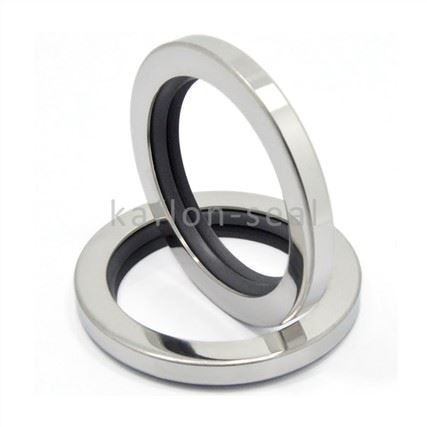

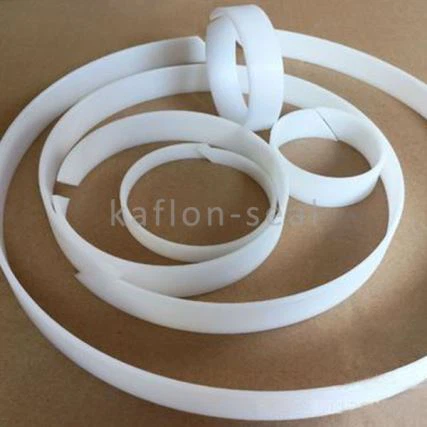

 Blog
BlogHey there! As a supplier of hydraulic piston seals, I've seen my fair share of issues with these little but crucial components. Hydraulic piston seals play a super important role in hydraulic systems. They prevent fluid leakage, maintain pressure, and ensure the smooth operation of hydraulic cylinders. But just like any other part, they can fail. So, let's dig into the common failures of a hydraulic piston seal.
Wear and Tear
One of the most common reasons for hydraulic piston seal failure is wear and tear. Over time, the constant movement of the piston against the seal causes friction. This friction gradually wears down the seal material. Think of it like the sole of your shoes. The more you walk, the more the sole gets worn out. In a hydraulic system, the piston moves back and forth countless times, and this repeated motion takes a toll on the seal.
The type of fluid in the hydraulic system can also affect wear. Some fluids are more abrasive than others. For example, if the fluid contains contaminants like dirt or metal particles, it can act like sandpaper on the seal, accelerating the wear process. Also, high - pressure applications can increase the force exerted on the seal, leading to faster wear.
If you're facing wear issues, you might want to check out our PU Hydraulic Piston Seal. Polyurethane (PU) is known for its excellent wear resistance, which can extend the lifespan of the seal in high - friction environments.
Chemical Compatibility
Another major culprit behind seal failure is chemical incompatibility. Hydraulic systems use a variety of fluids, such as mineral oils, synthetic oils, and water - glycol mixtures. Each type of fluid has its own chemical properties. If the seal material isn't compatible with the fluid, it can react in a bad way.
For instance, some rubber materials can swell or degrade when exposed to certain chemicals. Swelling can cause the seal to lose its shape and fit poorly, leading to leakage. Degradation, on the other hand, can make the seal brittle and prone to cracking.
When selecting a seal, it's crucial to consider the chemical nature of the hydraulic fluid. Our OEM CPU Seal is designed to be compatible with a wide range of hydraulic fluids, reducing the risk of chemical - related failures.
Installation Errors
You might be surprised to learn that improper installation can also lead to seal failure. Installing a hydraulic piston seal isn't as simple as just popping it in. There are specific techniques and procedures that need to be followed.
If the seal is installed incorrectly, it can get damaged right from the start. For example, if it's not aligned properly, it can be pinched or cut during installation. Also, using the wrong tools can scratch or deform the seal. And if the installation surface isn't clean and smooth, it can cause the seal to not sit properly, leading to leakage.
Before installing a seal, make sure you clean the installation area thoroughly and use the right tools. If you're not sure about the installation process, we can provide some guidance.
Temperature Extremes
Hydraulic systems can operate in a wide range of temperatures. Extreme heat or cold can have a significant impact on the performance of the piston seal.
In high - temperature environments, the seal material can become soft and lose its elasticity. This can cause it to extrude into the clearance between the piston and the cylinder wall, leading to leakage. On the other hand, in cold temperatures, the seal can become hard and brittle, making it more likely to crack.
When choosing a seal for a specific temperature range, it's important to select a material that can withstand those conditions. Our Rubber Rod T Seal is engineered to perform well in a variety of temperature conditions, providing reliable sealing even in extreme environments.
Contamination
Contamination is a big problem in hydraulic systems. Dirt, dust, metal shavings, and other foreign particles can enter the system and cause damage to the piston seal.
These contaminants can act as abrasives, wearing down the seal surface. They can also get trapped between the seal and the piston, causing uneven pressure distribution and leading to leakage. In addition, some contaminants can react with the seal material, causing chemical degradation.
To prevent contamination, it's important to have proper filtration systems in place. Regularly check and change the filters to ensure the hydraulic fluid remains clean.
Pressure Spikes
Hydraulic systems can experience sudden pressure spikes. These spikes can occur due to rapid valve closures, sudden changes in load, or other factors.
When a pressure spike happens, the seal has to withstand a much higher pressure than it's designed for. This can cause the seal to extrude or rupture. Even if the seal doesn't fail immediately, repeated pressure spikes can weaken it over time, increasing the risk of failure.
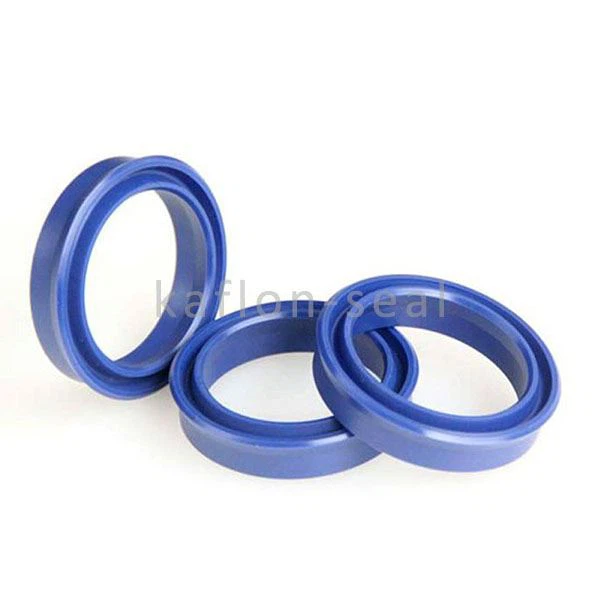

To deal with pressure spikes, you might need to consider using seals with higher pressure ratings. Our seals are designed to handle a certain amount of pressure variation, but for applications with frequent pressure spikes, we can recommend the most suitable products.
Seal Design Issues
Sometimes, the problem lies in the design of the seal itself. A poorly designed seal might not be able to provide an effective seal under certain operating conditions.
For example, if the seal cross - section is too small, it might not be able to withstand the pressure or provide enough contact force. Or if the lip design is incorrect, it might not be able to follow the movement of the piston properly, leading to leakage.
We have a team of experts who can help you select the right seal design for your specific application. Whether it's a custom - designed seal or a standard one, we can ensure that it meets your requirements.
How to Avoid Seal Failures
Now that we've talked about the common failures, let's discuss how to avoid them. First, choose the right seal material based on the operating conditions, such as fluid type, temperature, and pressure. Second, make sure to follow the correct installation procedures. Third, maintain the hydraulic system properly, including regular fluid changes and filter replacements.
If you're experiencing problems with your hydraulic piston seals or are looking for high - quality seals, don't hesitate to contact us. We're here to help you find the best solutions for your hydraulic systems. Whether you need a PU Hydraulic Piston Seal, an OEM CPU Seal, or a Rubber Rod T Seal, we've got you covered.
Conclusion
In conclusion, hydraulic piston seal failures can be caused by a variety of factors, including wear and tear, chemical incompatibility, installation errors, temperature extremes, contamination, pressure spikes, and design issues. By understanding these common problems and taking the necessary precautions, you can extend the lifespan of your seals and ensure the reliable operation of your hydraulic systems.
If you have any questions or need to discuss your specific requirements, feel free to reach out. We're always happy to assist you with your hydraulic seal needs.
References
- "Hydraulic Seals Handbook", various industry experts
- Technical documentation from seal manufacturers