
Hydraulic systems are the backbone of numerous industrial applications, powering everything from heavy machinery to precision manufacturing equipment. At the heart of these systems, hydraulic wear rings play a crucial role in ensuring smooth operation and longevity. One significant aspect that often goes unnoticed but has a profound impact on the system's performance is how hydraulic wear rings affect the temperature rise in hydraulic systems. As a leading supplier of hydraulic wear rings, we have witnessed firsthand the intricate relationship between these components and system temperature, and in this blog, we'll delve into the details.
The Basics of Hydraulic Wear Rings
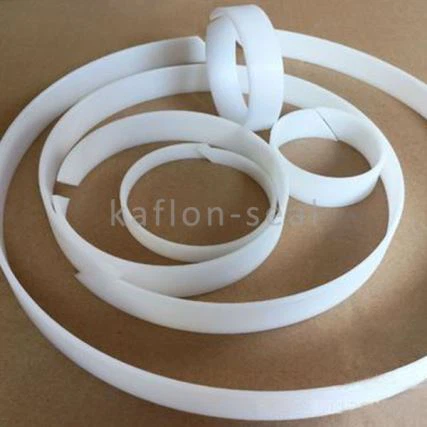
Hydraulic wear rings are essential components designed to guide pistons and rods within hydraulic cylinders, preventing metal - to - metal contact and reducing friction. They are typically made from materials such as PTFE (Polytetrafluoroethylene), POM (Polyoxymethylene), and other high - performance polymers. These materials offer excellent wear resistance, low friction coefficients, and high load - bearing capabilities.
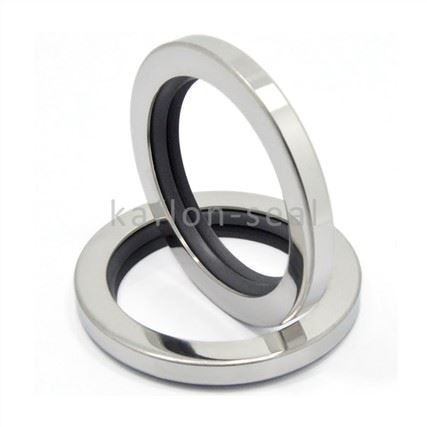
The POM Guide Ring For Hydraulic is a prime example of a high - quality wear ring. POM is known for its high stiffness, dimensional stability, and good sliding properties. It can withstand high pressures and has a relatively low coefficient of friction, which is ideal for guiding pistons and rods in hydraulic systems.
Friction and Temperature Rise
Friction is one of the primary causes of temperature rise in hydraulic systems. When two surfaces in contact move relative to each other, friction generates heat. In a hydraulic cylinder, without proper wear rings, the piston and rod would come into direct contact with the cylinder bore, creating significant friction. This friction not only leads to rapid wear of the components but also causes a substantial increase in temperature.
Hydraulic wear rings act as a buffer between the moving parts, reducing the contact area and the friction coefficient. For instance, the PTFE Filled With Brozen Glyd Ring Seal is designed with PTFE, a material renowned for its extremely low friction coefficient. By using such a wear ring, the frictional forces between the piston and the cylinder bore are minimized, resulting in less heat generation.
When the friction is reduced, the energy that would otherwise be dissipated as heat is instead used more efficiently to perform useful work. This means that the hydraulic system can operate at a lower temperature, which has several benefits. Lower temperatures reduce the risk of fluid degradation, as hydraulic fluids can break down at high temperatures, losing their lubricating and sealing properties. Additionally, it extends the service life of the seals and other components in the system, as they are not subjected to the harsh conditions caused by excessive heat.
Clearance and Leakage
Another factor related to temperature rise is the clearance between the piston or rod and the cylinder bore. If the clearance is too large, there will be significant leakage of hydraulic fluid. This leakage not only reduces the efficiency of the system but also generates heat. When the fluid leaks past the piston, it experiences a sudden pressure drop, which causes the fluid to heat up due to the energy conversion from pressure energy to thermal energy.
Hydraulic wear rings help to maintain an optimal clearance. They are precisely engineered to fit between the moving parts, ensuring that the clearance is within the acceptable range. The Reciprocating Motion Glyd Ring is designed to provide a tight seal while allowing for smooth reciprocating motion. By minimizing the leakage, it reduces the amount of energy wasted as heat due to fluid flow across the clearance.
Material Properties and Heat Dissipation
The material properties of hydraulic wear rings also play a role in heat dissipation. Some materials have better thermal conductivity than others, which means they can transfer heat away from the contact area more effectively. For example, certain types of filled PTFE wear rings may have additives that improve their thermal conductivity.
When the wear ring can dissipate heat more efficiently, it helps to keep the temperature of the surrounding components in check. This is especially important in high - performance hydraulic systems where large amounts of power are being transmitted, and heat generation is inevitable. A wear ring with good heat dissipation properties can act as a heat sink, drawing heat away from the piston - cylinder interface and into the surrounding fluid or the cylinder body.


Impact of Temperature on Wear Ring Performance
It's important to note that temperature can also have an impact on the performance of hydraulic wear rings. At high temperatures, some materials may experience a change in their mechanical properties. For example, polymers may become softer, reducing their load - bearing capacity and wear resistance. This can lead to increased wear and potentially cause the wear ring to fail.
As a supplier, we understand the importance of selecting the right material for the specific operating conditions of the hydraulic system. We offer a wide range of wear rings made from different materials, each with its own temperature - resistance characteristics. By choosing the appropriate wear ring, customers can ensure that the system operates within a safe temperature range and that the wear ring maintains its performance over time.
Monitoring and Control
To effectively manage the temperature rise in hydraulic systems related to wear rings, monitoring and control are essential. Temperature sensors can be installed in the hydraulic system to continuously monitor the temperature. If the temperature exceeds a certain threshold, it may indicate a problem with the wear rings, such as excessive friction or leakage.
Regular maintenance and inspection of the wear rings are also crucial. By checking the wear rings for signs of wear, damage, or deformation, potential issues can be identified early, and corrective actions can be taken. This may involve replacing the wear rings before they cause significant problems in the system.
Conclusion
In conclusion, hydraulic wear rings have a significant impact on the temperature rise in hydraulic systems. They reduce friction, minimize leakage, and can contribute to heat dissipation. As a trusted supplier of hydraulic wear rings, we are committed to providing high - quality products that help our customers optimize the performance of their hydraulic systems.
If you are looking for reliable hydraulic wear rings to control temperature rise and enhance the efficiency of your hydraulic system, we invite you to contact us for procurement and further discussion. Our team of experts is ready to assist you in selecting the most suitable wear rings for your specific needs.
References
- "Hydraulic System Design and Maintenance Handbook"
- "Materials Science for Hydraulic Components"
- Technical literature from leading hydraulic component manufacturers