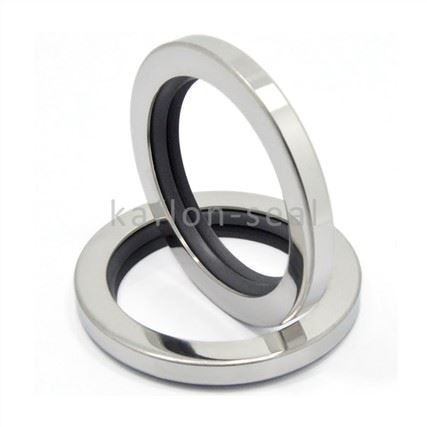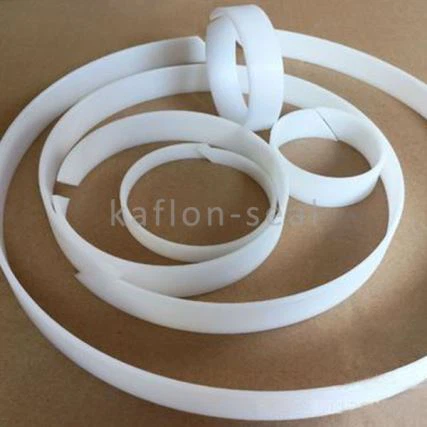

Hey there! As a Teflon seal supplier, I've seen my fair share of leakage issues in Teflon seal systems. It can be a real headache for anyone using these seals, whether it's in industrial machinery, automotive applications, or even in some household items. In this blog, I'm gonna share some tips on how to prevent leakage in a Teflon seal system.
Understanding Teflon Seals
First things first, let's talk a bit about Teflon seals. Teflon, or PTFE (Polytetrafluoroethylene), is an amazing material. It's got a super low coefficient of friction, is highly resistant to chemicals, and can handle a wide range of temperatures. These properties make it a top choice for sealing applications.
But even the best materials can have problems. Leakage in a Teflon seal system can happen for a bunch of reasons, like improper installation, wear and tear over time, or using the wrong type of seal for the job.
Choosing the Right Seal
One of the most important steps in preventing leakage is choosing the right Teflon seal for your application. There are different types of Teflon seals out there, each designed for specific conditions.
For example, if you need a seal that can withstand high pressures, you might want to check out the F205 10% Glass Fiber Filled PTFE. The glass fiber filling adds strength and stiffness to the PTFE, making it better able to handle pressure without deforming.
If you're dealing with a dynamic sealing situation, where there's movement between the parts being sealed, a backup ring can be really helpful. The High Strength PEEK Back Up Ring is a great option. It provides extra support to the Teflon seal, reducing the risk of extrusion and leakage.
And for static sealing applications, like in a pipe flange or a tank lid, the Static Sealing Encapsulated FKM ORING can be a good choice. The encapsulated design combines the chemical resistance of FKM with the low friction and sealing properties of Teflon.


Proper Installation
Once you've got the right seal, it's crucial to install it correctly. Improper installation is one of the leading causes of leakage in Teflon seal systems.
Before installing the seal, make sure the sealing surfaces are clean and free of any dirt, debris, or old sealant. Any particles left on the surface can prevent the seal from making a proper contact, leading to leakage.
When installing the seal, follow the manufacturer's instructions carefully. Make sure the seal is properly aligned and seated in the groove. Don't force the seal into place, as this can damage it and cause it to leak.
It's also important to use the right tools for the job. Using the wrong tools can scratch or damage the seal, reducing its effectiveness.
Regular Maintenance
Even if you've chosen the right seal and installed it correctly, regular maintenance is still necessary to prevent leakage. Over time, Teflon seals can wear out due to factors like friction, heat, and chemical exposure.
Inspect the seals regularly for signs of wear, such as cracks, tears, or deformation. If you notice any issues, replace the seal as soon as possible.
Keep an eye on the operating conditions of the system. If there are any changes in temperature, pressure, or chemical exposure, it could affect the performance of the seal. Make sure to adjust the system or replace the seal if necessary.
Controlling the Environment
The environment in which the Teflon seal system operates can also have a big impact on its performance. Extreme temperatures, high pressures, and exposure to harsh chemicals can all cause the seal to degrade and leak.
If possible, try to control the environment to keep it within the recommended operating range for the seal. For example, if the seal is designed to operate at a certain temperature range, use insulation or cooling systems to maintain that temperature.
If the seal is exposed to chemicals, make sure it's compatible with those chemicals. Using a seal that's not compatible with the chemicals in the system can lead to rapid degradation and leakage.
Training and Education
Finally, it's important to make sure that everyone involved in the installation, operation, and maintenance of the Teflon seal system is properly trained. A lack of knowledge or understanding can lead to mistakes that result in leakage.
Provide training to your employees on how to choose the right seal, install it correctly, and perform regular maintenance. Make sure they understand the importance of following the manufacturer's instructions and safety guidelines.
Conclusion
Preventing leakage in a Teflon seal system is all about choosing the right seal, installing it correctly, performing regular maintenance, controlling the environment, and providing proper training. By following these tips, you can significantly reduce the risk of leakage and ensure the long-term performance of your Teflon seal system.
If you're looking for high-quality Teflon seals or need more information on how to prevent leakage in your system, don't hesitate to reach out. We're here to help you find the best solutions for your sealing needs. Let's start a conversation and see how we can work together to keep your systems running smoothly.
References
- "Sealing Technology Handbook" by John H. Bickford
- "PTFE and Fluoropolymers: Properties, Processing, and Applications" by James F. Shackelford