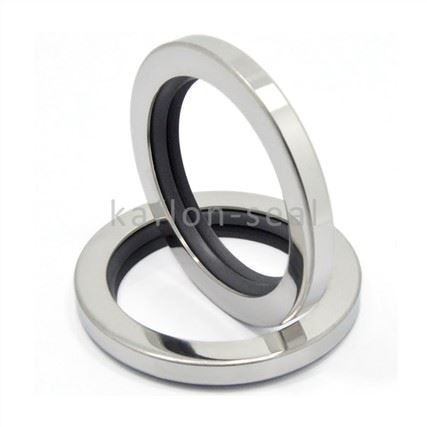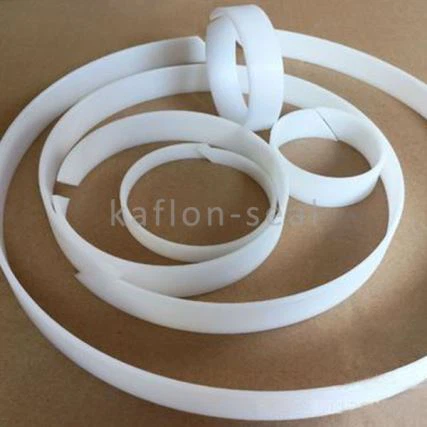

Rotary Glyd Rings are a type of sealing component widely used in various industries, especially in applications involving rotary shafts. One question that often arises among engineers, maintenance personnel, and those involved in the procurement of such seals is whether Rotary Glyd Rings generate heat during operation. As a supplier of Rotary Glyd Rings, I will delve into this topic, providing scientific insights and practical considerations.
Understanding Rotary Glyd Rings
Before we explore the heat generation aspect, it's essential to understand what Rotary Glyd Rings are. These are high - performance seals designed to prevent the leakage of fluids, such as hydraulic oil or lubricants, in rotary applications. They are typically made from materials like PTFE (Polytetrafluoroethylene) due to its excellent chemical resistance, low friction coefficient, and high - temperature stability.
The basic design of a Rotary Glyd Ring consists of a sealing lip that makes contact with the rotating shaft and a backup ring that provides support and helps maintain the seal's position. This design allows for effective sealing even under high - pressure and high - speed conditions.
Factors Affecting Heat Generation in Rotary Glyd Rings
Several factors can contribute to heat generation in Rotary Glyd Rings during operation.
Friction
Friction is one of the primary causes of heat generation. When the sealing lip of the Rotary Glyd Ring comes into contact with the rotating shaft, there is a frictional force between the two surfaces. The magnitude of this frictional force depends on several factors, including the surface roughness of the shaft, the material of the seal, and the contact pressure.
For example, if the shaft surface is rough, the frictional force will be higher, leading to more heat generation. Similarly, a higher contact pressure between the seal and the shaft will also increase the frictional force. Materials with a higher coefficient of friction will also generate more heat compared to those with a lower coefficient. PTFE, which is commonly used in Rotary Glyd Rings, has a relatively low coefficient of friction, which helps to reduce heat generation to some extent.
Operating Speed
The speed at which the shaft rotates also has a significant impact on heat generation. As the rotational speed increases, the frictional force between the seal and the shaft acts over a greater distance in a given time, resulting in more heat being generated. In high - speed applications, the heat generated can be substantial, and if not properly managed, it can lead to premature seal failure.
Pressure
The pressure in the system also affects heat generation. Higher pressures can increase the contact force between the seal and the shaft, leading to increased friction and heat. In hydraulic systems, for example, high - pressure applications require seals that can withstand the additional stress without generating excessive heat.
Fluid Viscosity
The viscosity of the fluid being sealed also plays a role. A more viscous fluid can create more resistance to the movement of the seal, increasing the frictional forces and heat generation. In applications where the fluid temperature can vary, the change in viscosity can also affect the heat generated by the seal.
Heat Generation and Seal Performance
Excessive heat generation can have a detrimental effect on the performance and lifespan of Rotary Glyd Rings.
Material Degradation
High temperatures can cause the material of the seal to degrade. PTFE, while having good high - temperature stability, can still experience changes in its physical and chemical properties at very high temperatures. This can lead to a loss of elasticity, reduced sealing performance, and increased wear.
Seal Failure
If the heat generated is not dissipated effectively, it can cause the seal to overheat and fail prematurely. This can result in fluid leakage, which can lead to system downtime, increased maintenance costs, and potential safety hazards.
Managing Heat Generation in Rotary Glyd Rings
To ensure the reliable operation of Rotary Glyd Rings and minimize heat generation, several strategies can be employed.
Proper Shaft Surface Finish
Maintaining a smooth shaft surface is crucial. A smooth shaft surface reduces the frictional force between the seal and the shaft, thereby reducing heat generation. Surface finishing processes such as grinding and polishing can be used to achieve the desired surface roughness.
Lubrication
Proper lubrication can also help to reduce friction and heat generation. Using a lubricant with the appropriate viscosity can create a thin film between the seal and the shaft, reducing the direct contact and frictional forces. In some cases, the fluid being sealed can act as a lubricant, but in other applications, additional lubrication may be required.
Cooling
In high - speed or high - pressure applications, cooling may be necessary to dissipate the heat generated. This can be achieved through various methods, such as using cooling jackets or circulating a coolant around the seal.
Our Products and Solutions
As a supplier of Rotary Glyd Rings, we offer a range of products designed to minimize heat generation and ensure reliable performance. Our seals are made from high - quality PTFE materials with excellent low - friction properties. We also offer seals with optimized designs to reduce contact pressure and improve heat dissipation.
In addition to Rotary Glyd Rings, we also provide other types of rotary shaft seals, such as the PTFE Filled POB Shaft Seal, Dynamic Sealing Rotary Shaft Seal Ring, and PTFE Lip Seal. These products are designed to meet the diverse needs of our customers in different industries.
Conclusion
In conclusion, Rotary Glyd Rings can generate heat during operation, primarily due to friction, operating speed, pressure, and fluid viscosity. Excessive heat generation can have a negative impact on the performance and lifespan of the seals. However, by understanding the factors that contribute to heat generation and implementing appropriate measures to manage it, such as proper shaft surface finish, lubrication, and cooling, the reliability of the seals can be significantly improved.


If you are in need of high - quality Rotary Glyd Rings or other rotary shaft seals, we invite you to contact us for procurement and further discussion. Our team of experts is ready to provide you with the best solutions for your specific applications.
References
- "Sealing Technology Handbook" by David A. Dowson
- "Mechanical Seals: Principles and Applications" by John P. Kennedy