


Teflon, known scientifically as polytetrafluoroethylene (PTFE), is a remarkable synthetic fluoropolymer with a wide range of applications, particularly in the field of sealing solutions. As a Teflon Seal supplier, I often encounter questions from customers about the properties of Teflon seals, and one of the most frequently asked questions is, "Are Teflon seals flammable?" In this blog post, I will delve into the flammability characteristics of Teflon seals, explore the factors that influence their flammability, and provide insights into their safe use in various industrial applications.
Understanding Teflon and Its Properties
Teflon was discovered by accident in 1938 by Roy J. Plunkett, a chemist working for DuPont. Since then, it has become one of the most widely used materials in various industries due to its unique combination of properties. Teflon is known for its excellent chemical resistance, low friction coefficient, high temperature resistance, and non-stick properties. These properties make it an ideal material for sealing applications where resistance to harsh chemicals, high temperatures, and friction is required.
Flammability of Teflon
Teflon is considered a non-combustible material under normal conditions. It has a high melting point of around 327°C (621°F) and does not burn in air. This is because Teflon contains a high proportion of fluorine atoms, which form strong carbon-fluorine bonds. These bonds are very stable and require a large amount of energy to break, making Teflon highly resistant to oxidation and combustion.

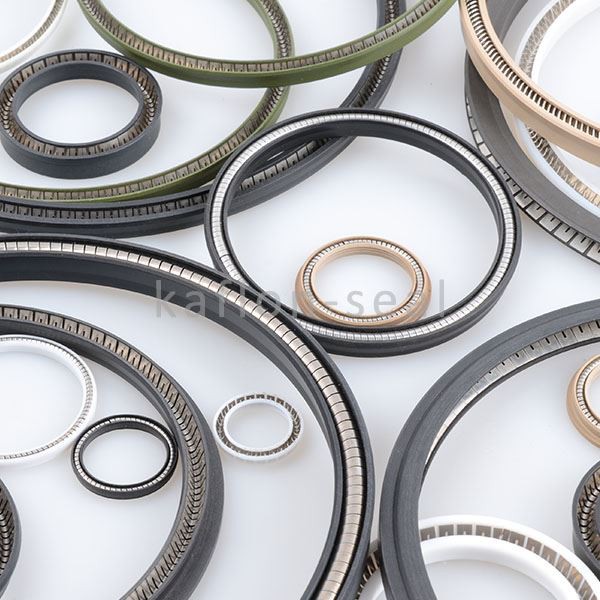
However, it is important to note that Teflon can decompose at very high temperatures. When Teflon is heated above its decomposition temperature of around 400°C (752°F), it begins to break down and release toxic fumes, including tetrafluoroethylene (TFE) and other fluorinated compounds. These fumes can be harmful if inhaled and can cause flu-like symptoms known as polymer fume fever.
Factors Influencing the Flammability of Teflon Seals
While Teflon itself is non-combustible, the flammability of Teflon seals can be influenced by several factors, including:
- Additives and Fillers: Teflon seals may contain additives and fillers to enhance their performance properties, such as strength, hardness, and wear resistance. Some of these additives and fillers may be flammable or may lower the decomposition temperature of Teflon, increasing the risk of combustion. For example, graphite-filled Teflon seals, such as F212 10% Graphite Filled PTFE, may have a lower ignition temperature than pure Teflon seals due to the presence of graphite, which is a combustible material.
- Environmental Conditions: The flammability of Teflon seals can also be affected by the environmental conditions in which they are used. High temperatures, oxygen concentration, and the presence of ignition sources can increase the risk of combustion. For example, in applications where Teflon seals are exposed to high temperatures or open flames, the risk of decomposition and combustion is higher.
- Seal Design and Installation: The design and installation of Teflon seals can also impact their flammability. Improper seal design or installation can lead to gaps or leaks, allowing oxygen and other combustible materials to come into contact with the seal, increasing the risk of combustion.
Safe Use of Teflon Seals
To ensure the safe use of Teflon seals, it is important to follow these guidelines:
- Select the Right Seal Material: Choose Teflon seals that are suitable for the specific application requirements, including temperature, pressure, chemical compatibility, and flammability. Consider the use of additives and fillers carefully and ensure that they do not compromise the non-combustible properties of Teflon.
- Control Operating Conditions: Keep the operating temperature of Teflon seals below their decomposition temperature to prevent the release of toxic fumes. Provide adequate ventilation in areas where Teflon seals are used to remove any fumes that may be generated.
- Proper Installation and Maintenance: Ensure that Teflon seals are installed correctly and maintained regularly to prevent leaks and ensure their proper functioning. Follow the manufacturer's installation instructions and recommendations for maintenance and inspection.
Applications of Teflon Seals
Teflon seals are widely used in various industries, including chemical processing, food and beverage, pharmaceutical, automotive, and aerospace. Some of the common applications of Teflon seals include:
- Valve Seals: Teflon seals are used in valves to provide a tight seal and prevent leakage of fluids or gases. Spring Energized Valve Lip Seal is a type of Teflon seal that is commonly used in valve applications due to its excellent sealing performance and resistance to high temperatures and chemicals.
- Pump Seals: Teflon seals are used in pumps to prevent leakage of fluids and ensure the efficient operation of the pump. They are particularly suitable for applications where the pump is handling corrosive or abrasive fluids.
- Control Valve Seals: Teflon seals are used in control valves to regulate the flow of fluids or gases. Teflon Control Valve Seal is designed to provide precise control and reliable sealing in control valve applications.
Conclusion
In conclusion, Teflon seals are generally considered non-combustible under normal conditions due to the high stability of the carbon-fluorine bonds in Teflon. However, they can decompose at very high temperatures, releasing toxic fumes. The flammability of Teflon seals can be influenced by factors such as additives and fillers, environmental conditions, and seal design and installation. To ensure the safe use of Teflon seals, it is important to select the right seal material, control operating conditions, and follow proper installation and maintenance procedures.
If you are in the market for high-quality Teflon seals, I encourage you to reach out to us. Our team of experts can help you select the right seal for your specific application requirements and provide you with the technical support you need. Contact us today to start a discussion about your sealing needs and explore how our Teflon seals can meet your expectations.
References
- "Polytetrafluoroethylene (PTFE) - Properties, Applications, and Safety." ScienceDirect.
- "Teflon: A Comprehensive Guide to Its Properties and Applications." Chemical Engineering Journal.
- "Flammability and Decomposition of Polytetrafluoroethylene (PTFE)." Journal of Fire Sciences.





