
Hey there! As a supplier of Rotary Shaft Seals, I often get asked about the difference between metric and imperial rotary shaft seals. So, I thought I'd break it down for you in this blog post.
First off, let's talk about what rotary shaft seals are. They're these little but super important parts that keep fluids, like oil or grease, from leaking out of a rotating shaft. They also stop dirt, dust, and other contaminants from getting in. Without them, a lot of machinery just wouldn't work right.
Now, onto the main topic: metric vs imperial rotary shaft seals. The biggest difference between them is the measurement system they use. Metric seals use the metric system, which is based on units like millimeters (mm). Imperial seals, on the other hand, use the imperial system, with units like inches.
Sizing
Metric sizing is all about millimeters. You'll see sizes like 20mm, 30mm, or 50mm. This system is used widely around the world, especially in countries that have adopted the metric system. It's pretty straightforward, and it's easy to work with because it's based on powers of 10.


Imperial sizing uses inches and fractions of an inch. You might see sizes like 1/2 inch, 3/4 inch, or 1 inch. This system is still used a lot in the United States and some other countries that have historical ties to the UK. It can be a bit more confusing because of the fractions, but it's well - established in certain industries.
For example, if you're working on a piece of machinery that was made in a country that uses the metric system, you'll probably need metric rotary shaft seals. But if you're dealing with older American - made equipment, imperial seals might be the way to go.
Compatibility
Compatibility is a big deal when it comes to choosing the right seal. You can't just swap a metric seal for an imperial one without making sure it'll fit properly. The shaft diameter and the housing bore diameter are crucial measurements. If the seal doesn't fit correctly, it won't seal properly, and you'll end up with leaks.
Let's say you have a metric shaft with a diameter of 40mm. You need to find a metric seal that's designed to fit that specific shaft size. If you try to use an imperial seal, even if the sizes seem close, it's likely not going to work well. The same goes for imperial shafts. You need to match the imperial seal to the imperial shaft size.
Performance
In terms of performance, both metric and imperial seals can do a great job if they're made well. The performance of a seal depends more on the materials it's made from and the design than the measurement system.
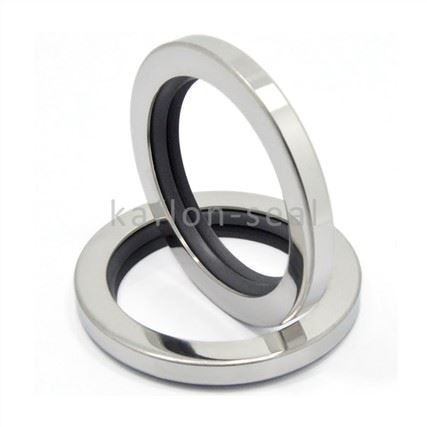
We offer a range of high - quality seals, like the Rotary PTFE Lips Stainless Oil Seal. PTFE (polytetrafluoroethylene) is a great material for seals because it's resistant to chemicals, has a low friction coefficient, and can handle high temperatures. Whether it's a metric or imperial seal, the PTFE material can improve the seal's performance.
Another option is the Rotating Motions PTFE Shaft Seals. These seals are designed to handle the stresses of rotating motions, and they come in both metric and imperial sizes.
The Radial PTFE Shaft Seal is also a popular choice. It's great for radial applications and can provide a reliable seal in both metric and imperial setups.
Industry Use
Different industries tend to favor one system over the other. The automotive industry in many parts of the world has moved towards metric sizing. Newer cars are designed with metric components, so metric rotary shaft seals are more commonly used.
In the aerospace industry, there's a mix. Some parts might be metric, especially in international projects, while others might still use imperial sizing, especially in older American - made aircraft.
The manufacturing industry also varies. Some factories might have a preference for metric equipment because of its standardization and ease of use, while others might have older imperial - based machinery that still needs imperial seals.
Cost
Cost can also be a factor when choosing between metric and imperial seals. In general, if a particular size of seal is more commonly used in an industry, it might be cheaper. For example, if metric seals are in high demand in a certain region, they might be more readily available and less expensive.
However, the cost also depends on the material and the quality of the seal. A high - quality PTFE seal, whether metric or imperial, is going to cost more than a basic rubber seal.
Choosing the Right Seal
So, how do you choose between metric and imperial rotary shaft seals? Here are some steps:
- Check the Equipment Manual: The manual will usually specify the correct size and type of seal needed. It'll tell you if it's a metric or imperial measurement.
- Measure the Shaft and Housing: If you don't have the manual, you can measure the shaft diameter and the housing bore diameter. Use the right measuring tools, like a caliper, and make sure you're using the correct measurement system.
- Consider the Industry Standards: Think about the industry the equipment belongs to. As I mentioned earlier, some industries have a preference for one system over the other.
- Consult an Expert: If you're still not sure, you can always reach out to us. We've been in the business for a long time, and we can help you find the right seal for your needs.
Contact Us for Procurement
If you're in the market for rotary shaft seals, whether metric or imperial, we're here to help. We have a wide range of seals to choose from, and we can provide you with the best options for your specific application. Whether you need a single seal or a large order, we can accommodate your needs. Don't hesitate to contact us to start the procurement process. We'll work with you to make sure you get the right seals at a great price.
References
- "Sealing Technology Handbook"
- Industry reports on rotary shaft seal usage in different sectors.