
Can Teflon seals be used in medical equipment?
As a supplier of Teflon seals, I often get asked about the suitability of Teflon seals for use in medical equipment. This is a crucial question, considering the high - standards and strict regulations in the medical field. In this blog, I will delve into the properties of Teflon, its advantages and potential challenges when used in medical equipment, and provide examples of Teflon seal products that could be applicable.


Properties of Teflon
Teflon, also known as polytetrafluoroethylene (PTFE), is a synthetic fluoropolymer of tetrafluoroethylene. It has several remarkable properties that make it an attractive option for various applications, including medical equipment.
One of the most well - known properties of Teflon is its non - stick characteristic. This means that substances are less likely to adhere to its surface. In a medical context, this can be extremely beneficial as it reduces the risk of contamination. For example, in catheters or other invasive medical devices, a non - stick surface can prevent the build - up of blood clots or other biological substances, which could otherwise lead to blockages or infections.
Teflon also has excellent chemical resistance. It can withstand exposure to a wide range of chemicals, including acids, bases, and solvents. In medical equipment, this is important because many sterilization processes involve the use of harsh chemicals. A Teflon seal can maintain its integrity during these processes, ensuring that the equipment remains functional and safe for use.
Another key property is its low friction coefficient. Teflon surfaces are very slippery, which can be advantageous in medical devices where smooth movement is required. For instance, in surgical instruments, a Teflon - coated or Teflon - sealed component can move more easily, reducing the force needed for operation and potentially minimizing tissue damage.
Advantages of Using Teflon Seals in Medical Equipment
- Biocompatibility
Teflon is generally considered to be biocompatible, which means it is well - tolerated by the human body. When used in medical implants or devices that come into contact with bodily fluids or tissues, it is less likely to cause an immune response or allergic reactions. This is a critical factor in ensuring the safety and effectiveness of medical equipment. - Temperature Resistance
Medical equipment may be exposed to a variety of temperatures during storage, transportation, and use. Teflon has a wide temperature range within which it can maintain its physical and chemical properties. It can withstand both high temperatures during sterilization processes (such as autoclaving) and low temperatures in cryogenic storage. - Long - term Durability
Teflon seals are known for their durability. They can resist wear and tear over time, which is essential for medical equipment that may be used repeatedly. This reduces the need for frequent replacement of seals, saving costs and ensuring the continuous operation of the equipment.
Potential Challenges
While Teflon has many advantages, there are also some potential challenges when using it in medical equipment.
- Cost
Teflon is relatively expensive compared to some other sealing materials. This can increase the overall cost of medical equipment, which may be a concern for manufacturers, especially those in budget - constrained markets. - Machining Difficulty
Teflon can be difficult to machine into precise shapes. This can pose challenges when manufacturing complex - shaped seals for specific medical equipment. However, with advanced machining technologies, these difficulties can be overcome to a certain extent. - Environmental Impact
The production of Teflon involves the use of certain chemicals that can have an environmental impact. As the medical industry becomes more environmentally conscious, this may be a factor that needs to be considered.
Examples of Teflon Seal Products for Medical Equipment
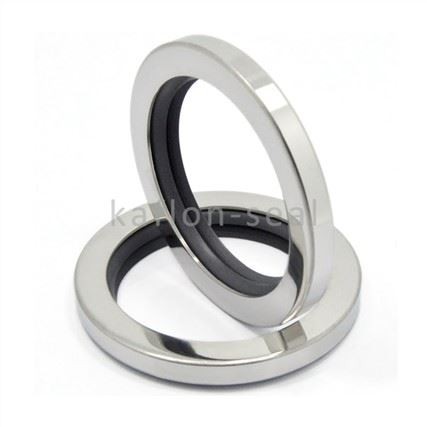
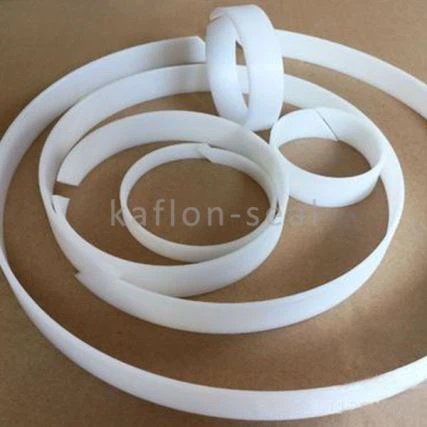
- Pure PTFE Spiral Elastic Back Up Ring
This type of seal is made from pure PTFE and has a spiral elastic design. It can be used in various medical applications where a reliable and flexible seal is required. For example, it could be used in the joints of surgical robots to ensure a tight seal and smooth movement. - PTFE Lip Seal For For Cryogenic Valves
In medical cryogenic storage systems, these lip seals are essential. They can prevent the leakage of cryogenic fluids and maintain the integrity of the storage environment. The PTFE material ensures that the seal can withstand the extremely low temperatures without losing its sealing properties. - F220 25% Carbon Graphite Filled PTFE
This filled PTFE material combines the advantages of PTFE with the enhanced properties provided by carbon graphite. It has improved mechanical strength and wear resistance, making it suitable for high - stress applications in medical equipment, such as in the pistons of infusion pumps.
Conclusion
In conclusion, Teflon seals can indeed be used in medical equipment. Their unique properties, such as non - stick surface, chemical resistance, biocompatibility, and temperature resistance, make them a valuable option for many medical applications. However, manufacturers need to carefully consider the potential challenges, such as cost and machining difficulty.
If you are in the medical equipment manufacturing industry and are interested in using Teflon seals for your products, I encourage you to reach out for further discussion. We can work together to find the most suitable Teflon seal solutions for your specific needs, taking into account factors like performance, cost, and regulatory requirements.
References
- "Handbook of Polytetrafluoroethylene (PTFE) and Related Fluoropolymers" by John Scheirs.
- "Biomaterials Science: An Introduction to Materials in Medicine" by Buddy D. Ratner, Allan S. Hoffman, Frederick J. Schoen, and Jeffrey E. Lemons.
- Research papers on the use of Teflon in medical applications from peer - reviewed journals such as "Journal of Biomedical Materials Research" and "Biomaterials".