


 Popular Blog Posts


 Blog
BlogHey there! I'm a supplier of plastic seals, and today I want to chat about whether plastic seals can be used for plumbing applications. It's a question I get asked a lot, and I'm here to break it down for you.
The Basics of Plastic Seals
First off, let's talk a bit about plastic seals. Plastic seals come in all shapes and sizes, and they're made from different types of plastics. Each type of plastic has its own unique properties, like flexibility, strength, and resistance to chemicals and heat.

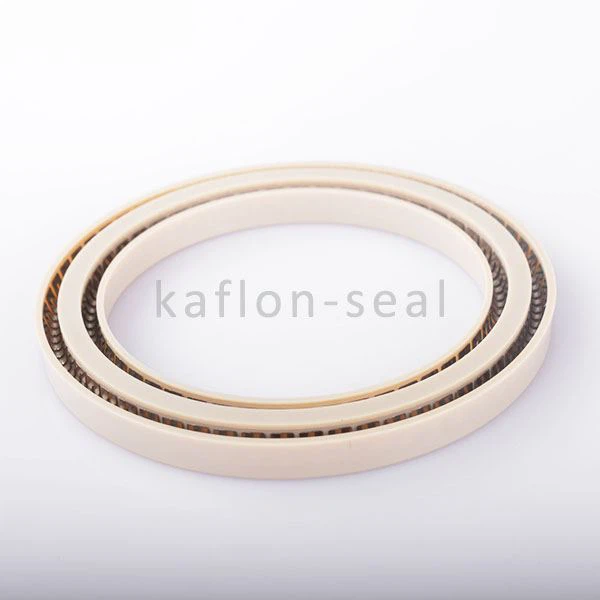
Some common plastics used for seals include PEEK, POM, and others. For example, the F260 PEEK is a high - performance plastic. It's known for its excellent mechanical properties, chemical resistance, and ability to withstand high temperatures. This makes it a great candidate for some plumbing applications where there might be exposure to hot water or certain chemicals.
On the other hand, F265 POM is another option. POM, or polyoxymethylene, is a very rigid and strong plastic. It has good dimensional stability, which means it won't change shape easily over time. This can be crucial in plumbing systems where a tight and consistent seal is required.
Advantages of Using Plastic Seals in Plumbing
Cost - effectiveness
One of the biggest advantages of plastic seals in plumbing is cost. Compared to metal seals or other traditional sealing materials, plastics are generally cheaper to produce. This cost - savings can be passed on to the end - user, whether it's a homeowner doing a DIY plumbing project or a large - scale construction company.
Corrosion resistance
Metals can corrode over time when exposed to water and certain chemicals commonly found in plumbing systems. Plastic seals, however, are highly resistant to corrosion. This means they can last longer in wet and chemically - active environments without deteriorating. For example, in a water heater system where the water might have a slightly acidic or alkaline pH, a plastic seal can maintain its integrity better than a metal one.
Flexibility
Plastic seals can be made to be very flexible. This flexibility allows them to conform to irregular surfaces and fill gaps more effectively. In plumbing, there are often joints and connections that aren't perfectly smooth or straight. A flexible plastic seal can adapt to these shapes and create a tight seal, preventing leaks.
Lightweight
Plastic is lightweight compared to metals. This can be a big advantage in plumbing, especially in large - scale installations where the weight of the materials can add up quickly. It also makes handling and installing the seals much easier, reducing the time and effort required for plumbing projects.
Limitations of Plastic Seals in Plumbing
Temperature limitations
While some plastics like PEEK can withstand high temperatures, many plastics have temperature limits. If a plumbing system involves very hot water or steam, using the wrong type of plastic seal can lead to deformation or melting. For example, if you use a low - temperature plastic seal in a boiler system, it won't be able to handle the high heat and will fail.
Chemical compatibility
Not all plastics are compatible with all chemicals. In some plumbing applications, there might be chemicals present in the water, such as chlorine or other disinfectants. If the plastic seal isn't resistant to these chemicals, it can degrade over time. For instance, a plastic that's not chlorine - resistant might become brittle and crack when exposed to chlorinated water.
Wear and tear
Plastic seals can be more prone to wear and tear compared to some metal seals. In high - pressure plumbing systems, the constant movement and friction can cause the plastic to wear down. This can lead to leaks over time, especially if the seal isn't replaced regularly.
Applications of Plastic Seals in Plumbing
Pipe joints
Plastic seals are commonly used in pipe joints. They can be used to seal the connection between two pipes, whether it's a straight connection or a joint at an angle. The flexibility of the plastic allows it to create a tight seal around the pipe, preventing water from leaking out.
Faucet seals
In faucets, plastic seals are used to prevent water from leaking around the handle or at the base of the faucet. The lightweight and flexible nature of plastic makes it ideal for these small - scale applications.
Toilet seals
Plastic seals are also used in toilets, for example, between the toilet bowl and the floor drain. These seals need to be able to withstand the constant presence of water and prevent leaks. A good plastic seal can do this effectively while being easy to install.
Choosing the Right Plastic Seal for Plumbing
When choosing a plastic seal for plumbing, it's important to consider the specific requirements of the application. You need to think about the temperature of the system, the chemicals present in the water, the pressure, and the type of connection.
If you're dealing with a high - temperature application, look for a plastic like F260 PEEK that can handle the heat. For applications where chemical resistance is key, make sure to choose a plastic that's compatible with the chemicals in the water.
As a Plastic Seal Supplier
As a plastic seal supplier, I understand the importance of providing the right products for plumbing applications. We offer a wide range of plastic seals, including different types and sizes to meet the diverse needs of our customers. Whether you're a professional plumber or a DIY enthusiast, we can help you find the perfect plastic seal for your project.
If you're in the market for high - quality plastic seals for your plumbing needs, we're here to assist you. We have a team of experts who can provide advice on the best type of plastic seal for your specific application.
If you're interested in learning more about our plastic seals or are ready to make a purchase, don't hesitate to get in touch. We're always happy to have a chat and discuss how our products can fit your plumbing requirements. And if you're looking for a reliable T Seal Supplier China, we've got you covered.
References
- "Plastic Materials in Plumbing Systems" - A technical report on the use of plastics in plumbing.
- "Sealing Technology Handbook" - A comprehensive guide on different types of seals and their applications.
- "Chemical Compatibility of Plastics" - A study on how different plastics react to various chemicals.