


 Popular Blog Posts



 Blog
BlogAs a hydraulic wipers supplier, I've encountered numerous challenges and questions from customers over the years. One of the most common issues is ensuring proper alignment during the installation of hydraulic wipers. In this blog, I'll share some tips and tricks to help you achieve accurate alignment and get the most out of your hydraulic wipers.
First things first, let's understand why alignment is so crucial. Hydraulic wipers play a vital role in preventing contaminants from entering the hydraulic system and protecting the seals and other components from damage. If the wipers are not properly aligned, they may not be able to perform their function effectively, leading to premature wear and tear, leaks, and reduced system performance.
Now, let's dive into the steps you can take to ensure alignment during the installation of hydraulic wipers.
1. Prepare the Surface
Before installing the hydraulic wipers, it's essential to prepare the surface where they will be installed. The surface should be clean, dry, and free of any dirt, debris, or scratches. Use a suitable cleaning agent to remove any contaminants and then dry the surface thoroughly. A clean surface will ensure a proper fit and prevent any interference that could affect the alignment of the wipers.
2. Check the Dimensions
Make sure you have the correct dimensions for the hydraulic wipers. Measure the bore and rod diameters accurately to ensure that the wipers you are using are the right size. Using the wrong size wipers can lead to misalignment and poor performance. If you're unsure about the dimensions, consult the manufacturer's specifications or contact us for assistance.
3. Use the Right Tools
Having the right tools is essential for a successful installation. You'll need a set of installation tools, such as a wiper installation sleeve or a hydraulic press, depending on the type of wipers and the application. These tools will help you install the wipers correctly and ensure proper alignment. Make sure the tools are clean and in good condition before using them.
4. Follow the Installation Instructions
Each type of hydraulic wiper may have specific installation instructions. It's important to read and follow these instructions carefully to ensure proper alignment. The instructions will typically include information on how to install the wipers, the recommended installation pressure, and any special considerations. If you have any questions or need further clarification, don't hesitate to contact us.
5. Pay Attention to the Orientation
Hydraulic wipers are designed to be installed in a specific orientation. Make sure you install the wipers in the correct direction, following the manufacturer's markings or instructions. Installing the wipers in the wrong orientation can lead to misalignment and poor performance. Take your time to ensure that the wipers are properly oriented before installing them.
6. Check for Proper Fit
Once the wipers are installed, check for a proper fit. The wipers should fit snugly against the bore and rod surfaces without any gaps or excessive tightness. Use a feeler gauge or other measuring tool to check the clearance between the wipers and the surfaces. If the fit is too loose, the wipers may not be able to prevent contaminants from entering the system. If the fit is too tight, it can cause excessive friction and wear on the wipers and other components.
7. Perform a Test Run
After installing the hydraulic wipers, perform a test run to ensure that they are working properly. Start the hydraulic system and observe the performance of the wipers. Look for any signs of leaks, abnormal noise, or reduced system performance. If you notice any issues, stop the system immediately and check the alignment of the wipers. Make any necessary adjustments and perform another test run until the wipers are working correctly.
Additional Tips
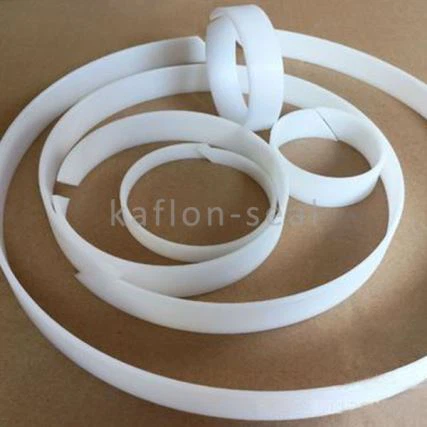
- Consider using Wear-resistant Guide Ring to support the wipers and improve their alignment. Guide rings can help reduce friction and wear on the wipers, especially in high-pressure applications.
- PTFE Guide Rings are another option that can provide excellent wear resistance and low friction. They are suitable for a wide range of applications and can help ensure proper alignment of the wipers.
- POM Guide Rings are also a popular choice for hydraulic applications. They offer good mechanical properties and can help improve the alignment and performance of the wipers.
In conclusion, ensuring proper alignment during the installation of hydraulic wipers is crucial for their performance and longevity. By following the steps outlined in this blog and using the right tools and techniques, you can achieve accurate alignment and get the most out of your hydraulic wipers. If you have any questions or need further assistance, don't hesitate to contact us. We're here to help you find the right solutions for your hydraulic applications.
If you're interested in purchasing high-quality hydraulic wipers or need more information about our products, feel free to reach out to us. We offer a wide range of hydraulic wipers and related products to meet your specific needs. Let's start a conversation and see how we can work together to improve your hydraulic systems.
References


- Manufacturer's specifications and installation guides for hydraulic wipers.
- Industry standards and best practices for hydraulic system installation and maintenance.