
Hey there! As a supplier of hydraulic piston seals, I often get asked about the environmental considerations when using these seals. It's a hot topic these days, and rightfully so. We all want to do our part to protect the planet, and understanding the environmental impact of the products we use is a big step in the right direction. So, let's dive in and take a closer look at the environmental aspects of using hydraulic piston seals.
Material Selection and Its Environmental Footprint
The first thing we need to talk about is the materials used in hydraulic piston seals. Different materials have different environmental impacts, both during their production and their disposal.
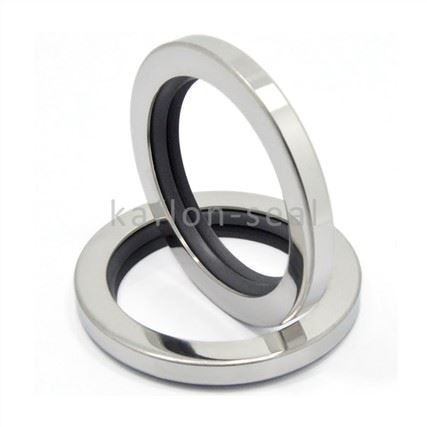
One popular material for hydraulic piston seals is Double Acting PTFE With Rubber Seal. PTFE, or polytetrafluoroethylene, is known for its excellent chemical resistance and low friction. However, the production of PTFE can be energy - intensive and may involve the use of certain chemicals that can have environmental implications. On the plus side, PTFE is a very durable material, which means that seals made from it can last a long time. This longevity reduces the frequency of replacements, which in turn can lead to less waste generation.
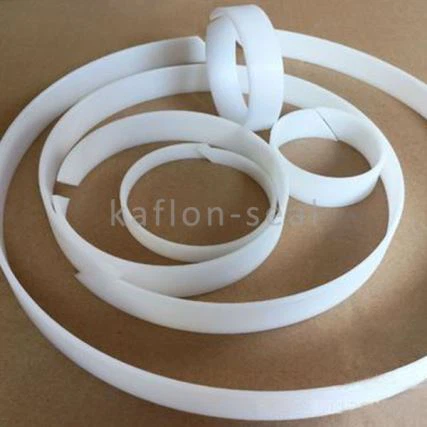
Another option is PTFE Filled With Carbon Glyd Ring. The addition of carbon to PTFE can enhance the seal's performance in terms of wear resistance. Carbon is a relatively eco - friendly material as it's abundant in nature. But again, the production process of these composite materials needs to be carefully considered. Energy consumption during manufacturing and the recycling potential of the end - product are important factors.
Then there's TPU Hydraulic Seal PU Oring. TPU, or thermoplastic polyurethane, is a versatile material that offers good elasticity and abrasion resistance. The production of TPU generally has a lower environmental impact compared to some other plastics. It can be recycled in some cases, which is a huge plus for reducing waste. However, like any material, it's important to source it from sustainable suppliers who follow environmentally friendly manufacturing practices.
Leakage and Its Environmental Consequences
Leakage is a major environmental concern when it comes to hydraulic piston seals. Hydraulic systems often use fluids, such as oil, to operate. If a seal fails or leaks, this fluid can end up in the environment.
Oil spills from hydraulic systems can contaminate soil and water sources. This has a direct impact on the ecosystem. Aquatic life can be severely affected by oil pollution, as it can coat fish gills and disrupt the natural food chain. On land, oil can seep into the soil, making it difficult for plants to grow and affecting the habitat of small animals.
Regular maintenance and proper installation of hydraulic piston seals are crucial to prevent leakage. We, as a supplier, always provide detailed installation guides to our customers to ensure that the seals are installed correctly. Additionally, we offer high - quality seals that are designed to minimize the risk of leakage over time. By using our seals, customers can not only improve the efficiency of their hydraulic systems but also reduce the environmental impact associated with fluid leaks.
Energy Efficiency and Seals
Energy efficiency is another key environmental consideration. When a hydraulic piston seal is well - designed and performs its function properly, it can contribute to the overall energy efficiency of the hydraulic system.


A properly sealed hydraulic system reduces internal leakage, which means that the pump doesn't have to work as hard to maintain the required pressure. This, in turn, reduces the energy consumption of the system. Over time, the energy savings can be significant, both in terms of cost and environmental impact. Less energy consumption means less reliance on fossil fuels, which helps in reducing greenhouse gas emissions.
Our seals are engineered to provide a tight and consistent seal, which helps in improving the energy efficiency of hydraulic systems. We understand the importance of energy conservation in today's world, and we're committed to providing products that are not only high - performing but also environmentally friendly.
Disposal and Recycling of Hydraulic Piston Seals
When a hydraulic piston seal reaches the end of its life, proper disposal is essential to minimize the environmental impact. The disposal method depends on the material of the seal.
For seals made from materials like PTFE, which are difficult to recycle in some cases, it's important to follow local waste management regulations. Some industrial waste facilities may be able to handle the disposal of PTFE - based seals in an environmentally responsible way.
On the other hand, seals made from TPU have better recycling potential. Recycling TPU can help in reducing the demand for new raw materials and minimizing waste. We encourage our customers to explore recycling options for their used TPU seals.
As a supplier, we're also looking into ways to improve the recyclability of our products. We're researching new materials and manufacturing processes that will make it easier to recycle our hydraulic piston seals in the future.
Sustainable Sourcing and Manufacturing
At our company, we're committed to sustainable sourcing and manufacturing practices. We work closely with our suppliers to ensure that the raw materials used in our hydraulic piston seals are sourced responsibly. This means using materials that are harvested or produced in an environmentally friendly way.
We also focus on reducing our own manufacturing footprint. We've implemented energy - saving measures in our production facilities, such as using energy - efficient lighting and equipment. Additionally, we're constantly looking for ways to reduce waste generation during the manufacturing process.
Contact Us for More Information
If you're in the market for hydraulic piston seals and are concerned about their environmental impact, we'd love to hear from you. We have a wide range of seals made from different materials, and we can help you choose the one that best suits your needs while also being environmentally friendly. Whether you're looking for Double Acting PTFE With Rubber Seal, PTFE Filled With Carbon Glyd Ring, or TPU Hydraulic Seal PU Oring, we've got you covered.
Don't hesitate to reach out to us for more information about our products and our commitment to environmental sustainability. We're here to make your hydraulic system more efficient and environmentally friendly.
References
- "Environmental Impacts of Plastics Manufacturing" - Journal of Environmental Science
- "Energy Efficiency in Hydraulic Systems" - Hydraulics & Pneumatics Magazine
- "Recycling Options for Industrial Seals" - Waste Management Research Institute