
Are PTFE Guide Rings Resistant to Hydraulic Fluids?
Hey there! I'm a supplier of PTFE Guide Rings, and I often get asked if these rings are resistant to hydraulic fluids. Well, let's dive right into this topic and find out.
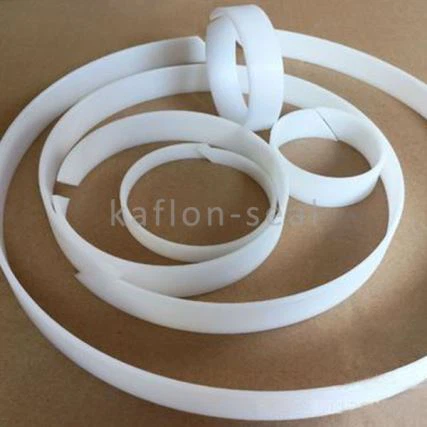
First off, let's understand what PTFE Guide Rings are. PTFE, or polytetrafluoroethylene, is a synthetic fluoropolymer. It's known for its low friction coefficient, high chemical resistance, and excellent temperature stability. PTFE Guide Rings are used in various hydraulic applications to guide pistons and rods, prevent metal - to - metal contact, and reduce wear and tear. You can learn more about them on our website: PTFE Guide Rings.
Now, when it comes to hydraulic fluids, there are different types. We have mineral - based hydraulic fluids, synthetic hydraulic fluids, and water - based hydraulic fluids. Each type has its own chemical composition and properties, and this affects how they interact with PTFE Guide Rings.
Mineral - based hydraulic fluids are the most commonly used ones. They are derived from petroleum and have a good balance of lubrication and viscosity. PTFE has a high resistance to mineral - based hydraulic fluids. The non - reactive nature of PTFE means that it won't dissolve or degrade when in contact with these fluids. In fact, the low friction property of PTFE helps in smooth operation within the hydraulic system when using mineral - based fluids. This reduces the energy consumption of the system and extends the service life of the PTFE Guide Rings.
Synthetic hydraulic fluids, on the other hand, are formulated to meet specific performance requirements. They can have better high - temperature stability, fire resistance, and anti - wear properties compared to mineral - based fluids. PTFE also shows good resistance to many synthetic hydraulic fluids. However, some synthetic fluids may contain additives that could potentially affect the PTFE over a long period. But in general, if the fluid is within the recommended operating parameters, PTFE Guide Rings can work well with synthetic hydraulic fluids.
Water - based hydraulic fluids are used in applications where fire safety is a concern. They have a high water content, which makes them environmentally friendly. PTFE is highly resistant to water, so it can withstand water - based hydraulic fluids without any major issues. The PTFE Guide Rings can maintain their shape and function, ensuring the proper operation of the hydraulic system.
But it's not all just about resistance. There are other factors to consider when using PTFE Guide Rings in hydraulic systems. For example, the operating temperature. PTFE has a wide temperature range, but extreme temperatures can still affect its performance. At very high temperatures, PTFE may start to soften, which could lead to a decrease in its guiding ability. At very low temperatures, it may become brittle. So, it's important to ensure that the operating temperature of the hydraulic system is within the recommended range for the PTFE Guide Rings.
Another factor is the pressure in the hydraulic system. High - pressure applications can put a lot of stress on the PTFE Guide Rings. If the pressure is too high, it could cause the rings to deform or extrude. However, modern PTFE Guide Rings are designed to handle high - pressure situations to a certain extent.
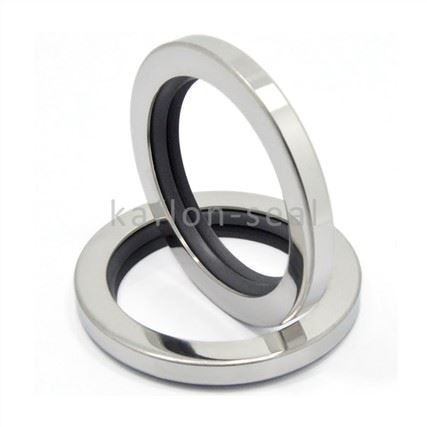
Now, let's compare PTFE Guide Rings with other types of guide rings. For example, POM Hydraulic Wiper. POM, or polyoxymethylene, is a different type of polymer. POM Hydraulic Wipers are often used for sealing and wiping functions in hydraulic systems. While POM has good mechanical properties, its chemical resistance is not as good as PTFE when it comes to some hydraulic fluids. PTFE's resistance to a wide range of chemicals gives it an edge in applications where the hydraulic fluid may be more aggressive.
Phenolic Fabric Guide Rings are also another option. They are made from phenolic resin - impregnated fabric. These rings have good load - carrying capacity, but they may not be as resistant to hydraulic fluids as PTFE. Phenolic Fabric Guide Rings can be affected by some chemicals in the hydraulic fluid, which could lead to swelling or degradation over time.
In real - world applications, PTFE Guide Rings have proven their worth. In construction equipment, where hydraulic systems are used for lifting and moving heavy loads, PTFE Guide Rings can withstand the harsh conditions and the hydraulic fluids used. In the automotive industry, they are used in power steering systems and braking systems. The resistance to hydraulic fluids ensures that the systems operate smoothly and reliably.
If you're in the market for guide rings for your hydraulic system, PTFE Guide Rings are definitely a great option. Their resistance to hydraulic fluids, combined with their low friction and high - temperature stability, make them suitable for a wide range of applications. Whether you're using mineral - based, synthetic, or water - based hydraulic fluids, PTFE Guide Rings can offer reliable performance.


If you're interested in learning more about PTFE Guide Rings or are looking to make a purchase, feel free to reach out to us. We'd be more than happy to discuss your specific requirements and help you find the right solution for your hydraulic system.
References
- "Handbook of Polytetrafluoroethylene (PTFE) and Related Fluoropolymers"
- "Hydraulic Fluids: Properties and Applications"
- Industry reports on hydraulic system components