


 Popular Blog Posts


 Blog
BlogHydraulic wipers are essential components in hydraulic systems, serving to keep contaminants out and maintain the integrity and performance of the system. As a supplier of hydraulic wipers, I often get asked about the price range of these products. In this blog post, I'll delve into the factors that influence the price of hydraulic wipers and provide an overview of the typical price ranges you can expect.
Factors Affecting the Price of Hydraulic Wipers
Material
The material used in the manufacturing of hydraulic wipers is one of the primary factors that determine their price. Different materials offer varying levels of performance, durability, and resistance to environmental factors.
- Rubber: Rubber is a commonly used material for hydraulic wipers due to its flexibility and good sealing properties. Natural rubber and synthetic rubbers like nitrile rubber (NBR), fluorocarbon rubber (FKM), and ethylene propylene diene monomer (EPDM) are popular choices. The price of rubber wipers can vary depending on the type of rubber used. For example, NBR wipers are relatively affordable and suitable for general - purpose applications, while FKM wipers, which offer excellent resistance to high temperatures and chemicals, are more expensive.
- Polyurethane: Polyurethane wipers are known for their high abrasion resistance, tear strength, and good low - temperature flexibility. They are often used in demanding applications where long service life is required. Polyurethane wipers typically cost more than rubber wipers due to the higher cost of the material and the manufacturing process.
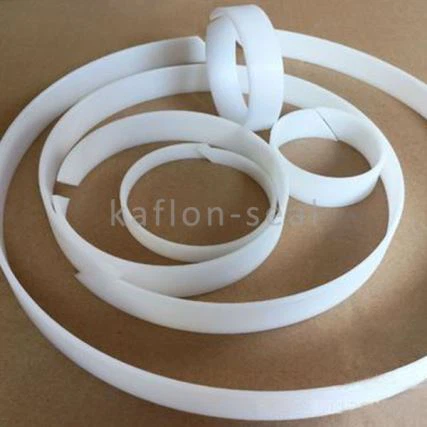
- PTFE and POM: PTFE Guide Rings and POM Guide Rings are also used in some hydraulic wiper applications. PTFE offers excellent chemical resistance and low friction, while POM has good mechanical properties and dimensional stability. These materials are generally more expensive than rubber and polyurethane, and the wipers made from them reflect this cost.
Size and Complexity
The size of the hydraulic wiper is another important factor. Larger wipers require more material and may be more difficult to manufacture, which can increase the price. Additionally, the complexity of the design also plays a role. Wipers with special shapes, multiple lips, or additional features such as dust lips or anti - extrusion rings will cost more than simple, standard - shaped wipers.
Quantity
As with many products, the quantity ordered can significantly affect the price. When you order hydraulic wipers in bulk, suppliers are often able to offer a lower unit price. This is because there are economies of scale in manufacturing, packaging, and shipping. For small - quantity orders, the price per unit will be higher to cover the fixed costs associated with production.
Quality and Brand
High - quality hydraulic wipers that are manufactured to strict standards and undergo rigorous testing will generally be more expensive than lower - quality alternatives. Well - known brands often command a premium price due to their reputation for reliability and performance. However, it's important to note that paying more for a brand name doesn't always guarantee the best value. There are many reliable suppliers, including our company, that offer high - quality products at competitive prices.
Typical Price Ranges
Low - End Hydraulic Wipers
Low - end hydraulic wipers are usually made from basic rubber materials such as NBR and are designed for general - purpose applications. These wipers are often simple in design and come in standard sizes. The price for low - end hydraulic wipers can range from a few dollars to around $10 per piece, depending on the size. Small - sized wipers (e.g., for miniature hydraulic cylinders) may cost as little as $1 - $3 each, while larger ones may be in the $5 - $10 range.
Mid - Range Hydraulic Wipers
Mid - range hydraulic wipers are made from better - quality materials such as polyurethane or high - grade rubber. They may have more advanced designs, such as multiple lips for improved sealing or additional features for better performance. The price for mid - range hydraulic wipers typically falls between $10 and $50 per piece. These wipers are suitable for a wide range of industrial applications where a higher level of performance and durability is required.


High - End Hydraulic Wipers
High - end hydraulic wipers are often made from specialized materials like PTFE or POM and are designed for extremely demanding applications. They may have complex geometries and be manufactured to very tight tolerances. High - end wipers can cost anywhere from $50 to several hundred dollars per piece. For example, wipers used in aerospace or high - precision hydraulic systems may fall into this price range.
Special Considerations
In some cases, Phenolic Fabric Guide Rings may be used in combination with hydraulic wipers. These guide rings help to support the piston or rod and improve the overall performance of the hydraulic system. The price of phenolic fabric guide rings can vary depending on their size and design, but they generally add to the overall cost of the hydraulic component setup.
Conclusion
The price range of hydraulic wipers can vary widely depending on factors such as material, size, complexity, quantity, and quality. As a supplier, we understand that customers have different needs and budgets, and we strive to offer a diverse range of hydraulic wipers to meet those requirements. Whether you're looking for an affordable solution for a simple application or a high - performance wiper for a critical system, we can help you find the right product at the right price.
If you're interested in purchasing hydraulic wipers or have any questions about our products, please feel free to contact us. Our team of experts is ready to assist you with your procurement needs and provide you with detailed information about our product offerings. We look forward to working with you to ensure the smooth operation of your hydraulic systems.
References
- "Hydraulic Seals Handbook", Edited by various industry experts.
- Technical data sheets from leading hydraulic component manufacturers.