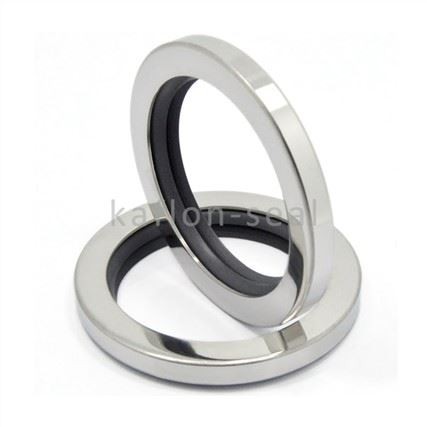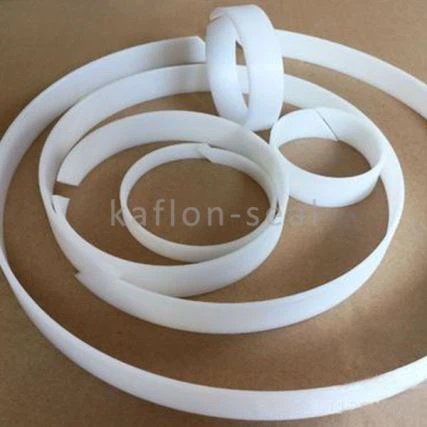

Hydraulic seals play a pivotal role in the functionality and efficiency of hydraulic systems. As a trusted hydraulic seals supplier, I've witnessed firsthand the diverse applications and requirements that different types of hydraulic seals fulfill. In this blog post, I'll delve into the various types of hydraulic seals, their unique features, and applications.
1. Piston Seals
Piston seals are designed to seal the gap between the piston and the cylinder bore in a hydraulic cylinder. They prevent the leakage of hydraulic fluid from the high - pressure side to the low - pressure side of the piston.
One of the most popular piston seals is the Piston Seal With PU Green. This type of seal is made with polyurethane (PU) material, which offers excellent wear resistance, high - pressure tolerance, and good chemical compatibility. The green color often indicates a specific formulation or additive that enhances its performance characteristics.
Piston seals are used in a wide range of applications, from heavy - duty construction equipment like excavators and bulldozers to industrial machinery such as hydraulic presses. In these applications, the piston seal ensures that the hydraulic cylinder can generate the necessary force without losing fluid, which is crucial for the smooth operation of the machinery.
2. Rod Seals
Rod seals are responsible for sealing the rod as it moves in and out of the hydraulic cylinder. Their main function is to prevent the leakage of hydraulic fluid from the cylinder and to keep contaminants such as dust, dirt, and moisture out of the system.
The Rod Seal For Dynamic Sealing is a prime example of a high - performance rod seal. It is designed to withstand the dynamic movement of the rod, which means it has to endure constant friction and pressure changes. These seals are typically made from materials like rubber or polyurethane, which can provide a tight seal even under harsh operating conditions.
Rod seals are essential in applications where the rod is exposed to the environment, such as in agricultural equipment, where the cylinders are often operating in dusty and dirty conditions. By preventing fluid leakage and keeping contaminants out, rod seals help to extend the service life of the hydraulic system.
3. Wear Rings
Wear rings, also known as bearing rings, are not strictly seals but are an important component in hydraulic systems. They are used to guide the piston or rod within the cylinder and to prevent metal - to - metal contact, which can cause wear and damage to the components.
Wear rings are usually made from materials like PTFE (polytetrafluoroethylene) or bronze. PTFE wear rings offer low friction, which reduces the energy consumption of the hydraulic system. Bronze wear rings, on the other hand, are known for their high load - carrying capacity and good wear resistance.
In hydraulic cylinders, wear rings ensure that the piston and rod move smoothly and precisely, which is essential for the accurate operation of the machinery. They are commonly used in high - pressure hydraulic systems, where the forces acting on the piston and rod are significant.
4. Glyd Seals
Glyd seals are a type of double - acting seal that combines the functions of a piston seal and a wear ring. They are designed to seal both the high - pressure and low - pressure sides of the piston, providing a more efficient sealing solution.
The Double Acting Glyd Seal is a well - known example of this type of seal. It consists of a PTFE sealing element and a rubber energizer. The PTFE element provides a low - friction seal, while the rubber energizer applies pressure to the PTFE, ensuring a tight seal even under low - pressure conditions.
Glyd seals are widely used in hydraulic systems where high - pressure sealing and low friction are required, such as in aerospace and automotive applications. Their double - acting design allows them to handle pressure from both sides of the piston, making them suitable for a variety of complex hydraulic operations.
5. Wiper Seals
Wiper seals, also called dust seals, are used to protect the rod from contaminants. They are installed at the end of the hydraulic cylinder, where the rod exits. Wiper seals scrape off dirt, dust, and moisture from the rod as it retracts into the cylinder, preventing these contaminants from entering the system.
Wiper seals are typically made from rubber or elastomeric materials. They have a lip design that conforms to the surface of the rod, providing an effective barrier against contaminants. In applications where the hydraulic system is exposed to harsh environments, such as in mining or off - road vehicles, wiper seals are crucial for maintaining the integrity of the system.

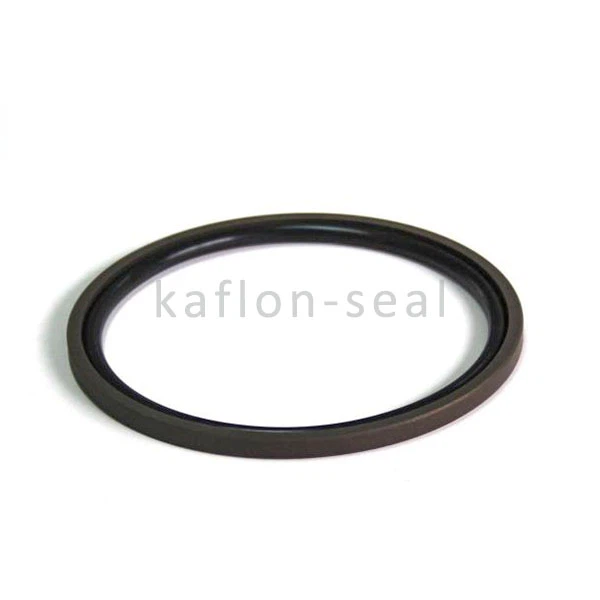
6. Static Seals
Static seals are used to seal stationary components in a hydraulic system, such as flanges, covers, and ports. They prevent the leakage of hydraulic fluid between these stationary parts.
Common types of static seals include O - rings, gaskets, and flat seals. O - rings are circular seals made from rubber or elastomeric materials. They are simple yet effective and are widely used in a variety of hydraulic applications. Gaskets are usually made from materials like paper, rubber, or metal and are used to seal larger surfaces, such as between two flanges. Flat seals are thin, flat pieces of material that are used to seal flat surfaces.
Static seals are essential for ensuring the overall integrity of the hydraulic system. They prevent fluid leakage, which can lead to a loss of pressure and reduced efficiency in the system.
Choosing the Right Hydraulic Seal
Selecting the appropriate hydraulic seal for a specific application is crucial. Several factors need to be considered, including the operating pressure, temperature, speed, and the type of hydraulic fluid used.
For high - pressure applications, seals made from materials like PTFE or polyurethane are often preferred due to their high - pressure tolerance. In applications where the temperature is extreme, seals with good thermal stability, such as those made from silicone or fluorocarbon rubber, may be more suitable.
The speed of the moving parts also affects the choice of seal. For high - speed applications, low - friction seals like Glyd seals are a better option, as they can reduce the energy consumption and wear of the system.
Conclusion
In conclusion, the world of hydraulic seals is diverse, with each type of seal serving a specific purpose in the hydraulic system. As a hydraulic seals supplier, I understand the importance of providing high - quality seals that meet the unique requirements of different applications.
Whether you are in the construction, industrial, agricultural, or automotive industry, having the right hydraulic seals can significantly improve the performance and reliability of your hydraulic system. If you are looking for high - quality hydraulic seals for your application, I encourage you to contact me for more information and to discuss your specific needs. I can provide you with expert advice on seal selection and ensure that you get the best - fitting seals for your hydraulic system. Let's work together to optimize your hydraulic operations and enhance the efficiency of your machinery.
References
- "Hydraulic Seals Handbook", published by an industry - leading engineering publisher.
- Technical papers from major hydraulic seal manufacturers on seal materials and performance.
- Industry standards and guidelines related to hydraulic systems and seals.