


 Popular Blog Posts


 Blog
BlogHey there! As a supplier of hydraulic rod seals, I've seen firsthand how crucial it is to have seals with high shear resistance. Shear resistance refers to the ability of a seal to withstand the forces that try to cut or tear it apart as the rod moves back and forth within the hydraulic system. In this blog post, I'll share some tips on how to improve the shear resistance of a hydraulic rod seal.
1. Choose the Right Material
The material of the hydraulic rod seal plays a significant role in its shear resistance. Different materials have different properties, and some are better suited for high - shear applications than others.
- Polyurethane (PU): Polyurethane is a popular choice for hydraulic rod seals. It has excellent abrasion resistance, which is closely related to shear resistance. When the rod moves, there is friction between the seal and the rod, and if the seal can't resist abrasion, it will quickly wear out. PU seals can handle high - pressure and high - speed applications, making them great for environments where shear forces are substantial.
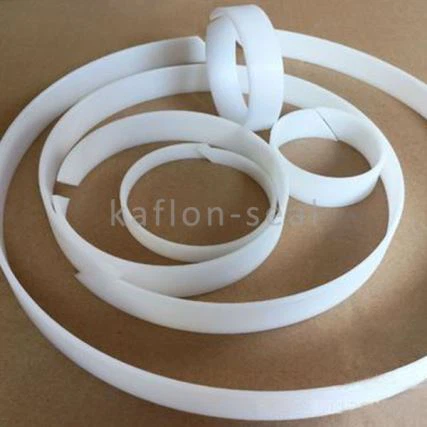
- PTFE (Polytetrafluoroethylene): PTFE is known for its low friction coefficient. This means that there is less resistance when the rod moves through the seal, reducing the shear forces acting on the seal. PTFE Double Acting Rod Seal made from PTFE are often used in applications where smooth operation and high shear resistance are required.
2. Optimize the Seal Design
The design of the hydraulic rod seal can have a huge impact on its shear resistance.
- Lip Design: The lip of the seal is the part that comes into contact with the rod. A well - designed lip can distribute the pressure evenly along the contact area. For example, a tapered lip design can gradually increase the contact pressure as it approaches the sealing edge, which helps to prevent the seal from being sheared off.
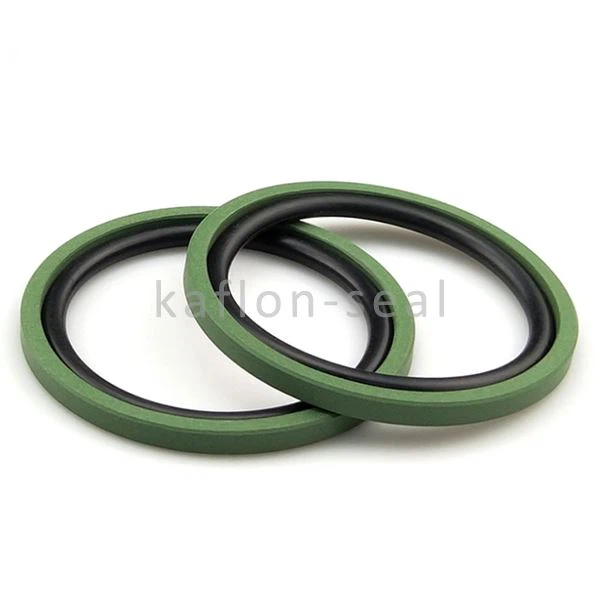
- Back - Up Rings: Using back - up rings can significantly improve the shear resistance of the seal. Back - up rings are placed behind the main seal to provide additional support. They prevent the seal from extruding into the clearance between the rod and the housing under high pressure, which is a common cause of shear failure. Double Acting Rod Seal often come with back - up rings to enhance their performance in high - pressure and high - shear situations.
3. Control the Operating Conditions
The way the hydraulic system operates can also affect the shear resistance of the rod seal.
- Pressure: High pressure can increase the shear forces acting on the seal. It's important to keep the pressure within the recommended range for the seal. If the pressure is too high, it can cause the seal to extrude and fail. Regularly monitor the pressure in the hydraulic system and make adjustments if necessary.
- Temperature: Extreme temperatures can change the properties of the seal material. At high temperatures, the material may become softer and more prone to shear. On the other hand, at low temperatures, the material may become brittle. Make sure to choose a seal material that can withstand the temperature range of the operating environment.
- Speed: The speed at which the rod moves can also impact the shear resistance. High - speed movement can generate more friction and shear forces. If the system operates at high speeds, consider using a seal material with a low friction coefficient, like PTFE.
4. Proper Installation
Installing the hydraulic rod seal correctly is essential for its shear resistance.
- Cleanliness: Before installation, make sure the rod and the housing are clean. Any dirt or debris can cause scratches on the seal, reducing its shear resistance. Use a clean cloth and a suitable cleaning agent to clean the surfaces.
- Installation Tools: Use the right installation tools to avoid damaging the seal during installation. For example, a proper installation sleeve can help to guide the seal onto the rod without causing any cuts or tears.
- Alignment: Ensure that the rod is properly aligned within the housing. Misalignment can cause uneven pressure distribution on the seal, leading to increased shear forces and premature failure.
5. Regular Maintenance
Regular maintenance of the hydraulic system can help to maintain the shear resistance of the rod seal.

- Inspection: Periodically inspect the seal for signs of wear, damage, or extrusion. If you notice any issues, replace the seal immediately.
- Fluid Quality: The quality of the hydraulic fluid can also affect the seal. Contaminated fluid can cause abrasion and corrosion of the seal, reducing its shear resistance. Change the hydraulic fluid at regular intervals and use a high - quality filter to keep the fluid clean.
Conclusion
Improving the shear resistance of a hydraulic rod seal is a multi - faceted process. By choosing the right material, optimizing the seal design, controlling the operating conditions, installing the seal properly, and performing regular maintenance, you can ensure that your hydraulic rod seals perform well and have a long service life.
If you're in the market for high - quality hydraulic rod seals with excellent shear resistance, we're here to help. Whether you need a Linear Rod Seal, a PTFE double - acting rod seal, or any other type of hydraulic rod seal, we've got you covered. Reach out to us to discuss your specific requirements and let's work together to find the best solution for your hydraulic system.
References
- "Hydraulic Seals Handbook" by John W. S. Hearn
- "Sealing Technology" by Peter J. Martyn