


 Popular Blog Posts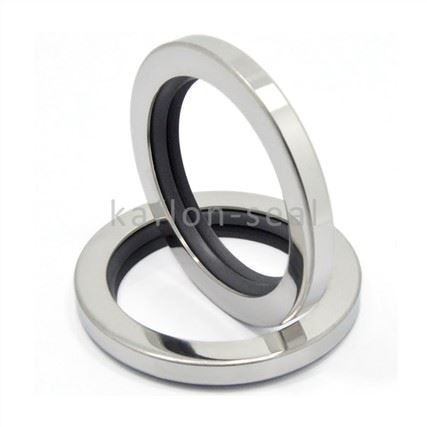



 Blog
BlogRotary Glyd Rings are a crucial component in various industrial applications, known for their high - performance sealing capabilities. As a leading supplier of Rotary Glyd Rings, I understand the significance of proper maintenance to ensure their optimal functionality and longevity. In this blog, I'll delve into the necessary maintenance requirements for Rotary Glyd Rings.
Understanding Rotary Glyd Rings
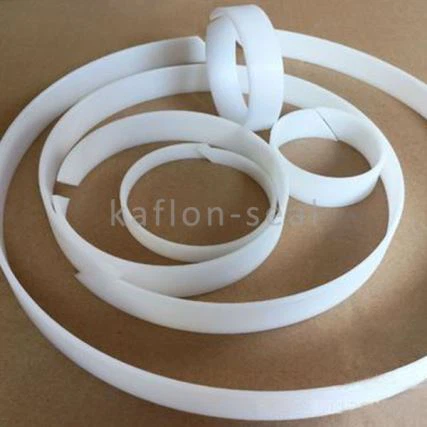
Before getting into maintenance, it's essential to understand what Rotary Glyd Rings are. These are designed to seal reciprocating motion by preventing the leakage of fluid, usually hydraulic oil, from a cylinder or other moving parts. They are typically made up of a PTFE (Polytetrafluoroethylene) sealing element and an elastomeric energizer. The PTFE provides low friction and excellent wear resistance, while the elastomer energizes the seal, ensuring a tight fit against the mating surfaces.
Regular Inspection
One of the most fundamental maintenance steps for Rotary Glyd Rings is regular inspection. This should be carried out at scheduled intervals, depending on the operating conditions of the equipment. In high - stress applications, inspections might be required more frequently.
Visual Inspection
During a visual inspection, look for signs of wear and tear on the PTFE sealing element. Check for scratches, cuts, or abrasions, which can cause fluid leakage. Any visible damage indicates that the seal might need replacement. Additionally, examine the elastomeric energizer. Look for signs of swelling, hardening, or cracking. These issues can be caused by exposure to harsh chemicals, high temperatures, or improper lubrication, and they can significantly affect the seal's performance.
Measuring Dimensions
It's also a good practice to measure the dimensions of the Rotary Glyd Ring periodically. Over time, the seal may experience some dimensional changes due to wear or thermal expansion. Measuring the inner and outer diameters, as well as the cross - sectional thickness, can help determine if the seal is still within the acceptable tolerance range. If the dimensions are out of specification, the ring should be replaced.
Cleanliness
Maintaining a clean environment around the Rotary Glyd Ring is of utmost importance. Dirt, dust, and other contaminants can cause premature wear and damage to the seal.
Cleaning Procedures
When cleaning, use a suitable cleaning agent that is compatible with the materials of the Rotary Glyd Ring. Avoid using harsh chemicals that can degrade the PTFE or the elastomer. A mild soap solution or a specialized seal cleaner is often a good choice. Gently wipe the seal with a clean, lint - free cloth to remove any dirt or debris.
Contamination Prevention
To prevent contamination, ensure that the equipment housing the Rotary Glyd Ring is properly sealed against external elements. Use protective covers or shields if necessary. Additionally, keep the fluid in the system clean. Regularly change the hydraulic fluid and use high - quality filters to remove any particles that could potentially damage the seal.
Lubrication
Proper lubrication is crucial for the smooth operation and longevity of Rotary Glyd Rings. The lubricant reduces friction between the seal and the mating surfaces, preventing excessive wear and heat generation.
Selecting the Right Lubricant
Choose a lubricant that is compatible with the materials of the Rotary Glyd Ring and the fluid in the system. For most applications, a lubricant with good viscosity and anti - wear properties is recommended. Consult the manufacturer's guidelines to determine the most suitable lubricant for your specific Rotary Glyd Ring.
Lubrication Frequency
The frequency of lubrication depends on the operating conditions. In high - speed or high - load applications, more frequent lubrication may be required. However, be careful not to over - lubricate, as this can also cause problems such as seal swelling or the accumulation of dirt and debris.
Temperature and Pressure Management
Rotary Glyd Rings are designed to operate within specific temperature and pressure ranges. Exceeding these limits can lead to premature failure of the seal.
Temperature Control
Monitor the operating temperature of the equipment regularly. If the temperature is too high, it can cause the elastomeric energizer to harden and lose its elasticity, while the PTFE may start to deform. On the other hand, extremely low temperatures can make the materials brittle. Use cooling or heating systems if necessary to maintain the optimal temperature range.
Pressure Regulation
Similarly, ensure that the pressure within the system remains within the specified limits. High pressure can cause the seal to extrude, while low pressure may result in insufficient sealing force. Use pressure - regulating valves and other control devices to maintain stable pressure conditions.
Compatibility with Other Components
Rotary Glyd Rings interact with various other components in the system, such as the shaft and the housing. It's important to ensure that they are compatible with these components.
Shaft Surface Finish
The surface finish of the shaft can have a significant impact on the performance of the Rotary Glyd Ring. A rough shaft surface can cause excessive wear on the seal, while a too - smooth surface may not provide enough friction for proper sealing. The shaft should have a surface finish within the recommended range specified by the seal manufacturer.
Housing Fit
The fit between the Rotary Glyd Ring and the housing is also critical. The housing should be machined to the correct dimensions to ensure a proper seal. If the housing is too loose or too tight, it can affect the seal's performance and lead to premature failure.

Related Products and Their Applications
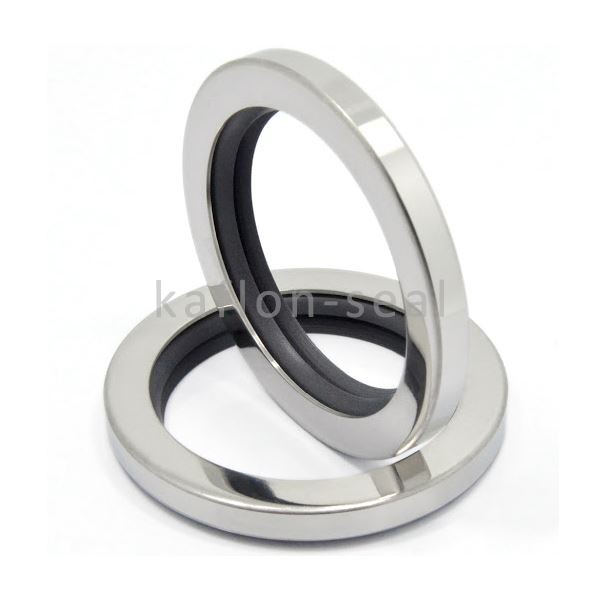
As a supplier, we offer a range of related products that can complement the use of Rotary Glyd Rings. For example, our Medical Equipment Rotary PTFE POB Oil Seal is specifically designed for medical equipment applications, where high - precision sealing is required. These seals are made from high - quality PTFE materials, ensuring excellent chemical resistance and low friction.
Our Screw Comprosser PTFE Oil Seal is suitable for screw compressor applications. They are engineered to withstand high - pressure and high - temperature conditions, providing reliable sealing performance in demanding environments.
The Double Lips PTFE Oil Seal is another product in our portfolio. With its double - lip design, it offers enhanced sealing capabilities, making it ideal for applications where strict fluid containment is essential.
Conclusion
Proper maintenance of Rotary Glyd Rings is essential to ensure their reliable and long - term performance. By following the steps outlined in this blog, including regular inspection, maintaining cleanliness, proper lubrication, managing temperature and pressure, and ensuring compatibility with other components, you can extend the lifespan of your Rotary Glyd Rings and avoid costly breakdowns.
If you are interested in purchasing Rotary Glyd Rings or any of our related products, or if you have any questions about maintenance or application - specific requirements, we welcome you to contact us for further discussion and procurement negotiation. Our team of experts is always ready to assist you.
References
- Seal Design Handbook, Various industry - specific editions.
- Technical literature provided by Rotary Glyd Ring manufacturers.
- Research papers on sealing technology and materials science.