
Hey there! As a supplier of hydraulic wipers, I often get asked a bunch of questions about our products. One question that pops up quite a bit is, "Can hydraulic wipers be used in stationary hydraulic equipment?" Well, let's dive right into this topic and find out.
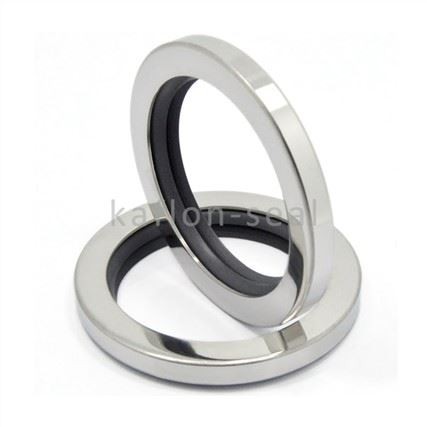
First off, let's understand what hydraulic wipers are. Hydraulic wipers are essential components in hydraulic systems. Their main job is to keep contaminants like dirt, dust, and moisture out of the hydraulic cylinder. This is super important because these contaminants can cause a whole lot of problems, such as wear and tear on the cylinder walls, damage to the seals, and even system failure.


Now, when it comes to stationary hydraulic equipment, things are a bit different compared to mobile hydraulic systems. Stationary hydraulic equipment, like hydraulic presses, injection molding machines, and industrial lifts, usually operates in a fixed position. It doesn't move around like a hydraulic system in a construction vehicle or a forklift.
So, can hydraulic wipers be used in this kind of equipment? The short answer is yes! In fact, they're crucial for the proper functioning and longevity of stationary hydraulic equipment.
One of the key reasons why hydraulic wipers are so useful in stationary equipment is contamination control. Even though the equipment isn't moving, it's still exposed to the environment. Dust and dirt can settle on the cylinder rod over time. If there's no wiper to keep these contaminants at bay, they can get into the cylinder and cause all sorts of issues. For example, dirt particles can act like sandpaper on the cylinder walls, leading to increased friction and premature wear.
Another important aspect is the protection of the seals. Hydraulic seals are responsible for keeping the hydraulic fluid inside the cylinder and maintaining the pressure. When contaminants get into the system, they can damage the seals, causing leaks. This not only leads to a loss of hydraulic fluid but also affects the performance of the equipment. Hydraulic wipers act as a first line of defense, preventing contaminants from reaching the seals and extending their lifespan.
Let's talk about the different types of hydraulic wipers that are suitable for stationary hydraulic equipment. There are various materials and designs available, each with its own advantages.
One popular type is the polyurethane wiper. Polyurethane is known for its excellent abrasion resistance and flexibility. It can effectively wipe off contaminants while maintaining a good seal against the cylinder rod. These wipers are also resistant to oil and hydraulic fluids, making them a great choice for stationary equipment that operates in an oily environment.
Another option is the rubber wiper. Rubber wipers are relatively inexpensive and offer good sealing properties. They can conform to the shape of the cylinder rod, providing a tight seal. However, they may not be as durable as polyurethane wipers in high - pressure or high - wear applications.
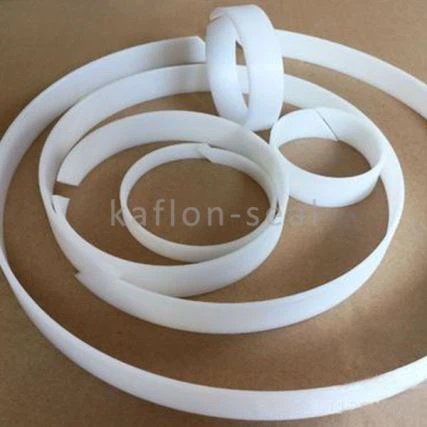
Now, let's mention some related products that can work in tandem with hydraulic wipers in stationary hydraulic equipment. For instance, Phenolic Fabric Guide Rings are great for guiding the cylinder rod and reducing lateral forces. They help to keep the rod centered, which is important for the proper operation of the hydraulic system.
POM Guide Rings are also a popular choice. POM (polyoxymethylene) is a high - performance engineering plastic that offers low friction and good wear resistance. These guide rings can improve the efficiency of the hydraulic system by reducing the energy losses due to friction.
And then there are Wear - resistant Guide Ring. As the name suggests, these guide rings are designed to withstand high levels of wear. They can be used in applications where the cylinder rod experiences a lot of lateral movement or heavy loads.
When it comes to installing hydraulic wipers in stationary hydraulic equipment, it's important to follow the manufacturer's instructions. Proper installation ensures that the wipers work effectively and provide the best possible protection. The wiper should be installed in the correct orientation, and the cylinder rod should be clean and free of any debris before installation.
Maintenance is also key. Regularly inspect the hydraulic wipers for signs of wear or damage. If a wiper is worn out or damaged, it should be replaced immediately to prevent contaminants from entering the system.
In conclusion, hydraulic wipers are definitely a must - have for stationary hydraulic equipment. They play a vital role in protecting the equipment from contamination, extending the lifespan of the seals, and ensuring the smooth operation of the hydraulic system.
If you're in the market for high - quality hydraulic wipers or any of the related products like guide rings, don't hesitate to reach out. We're here to help you find the right solutions for your stationary hydraulic equipment. Whether you have a small industrial lift or a large hydraulic press, we've got the products and expertise to meet your needs. So, get in touch and let's start a conversation about how we can improve the performance and reliability of your equipment.
References:
- "Hydraulic Seals Handbook" - A comprehensive guide on hydraulic seals and related components.
- Industry research papers on the performance and application of hydraulic wipers in stationary equipment.