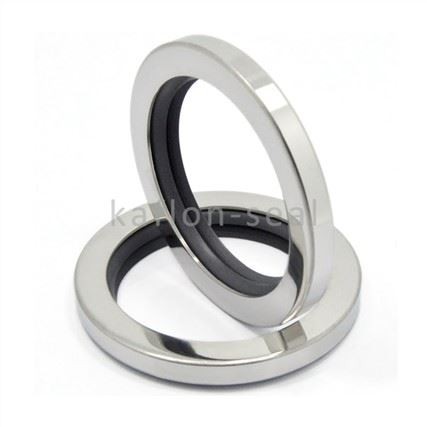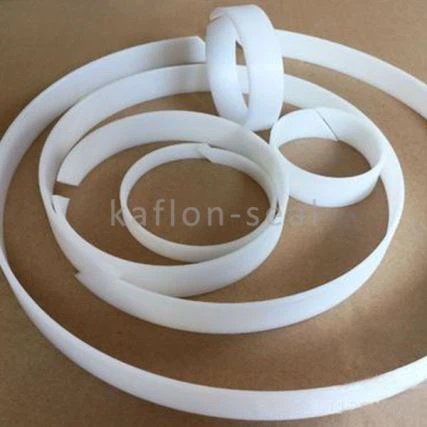

Hey there! As a Teflon seal supplier, I often get asked about the surface finish requirements for installing a Teflon seal. Well, let's dive right into it.
First off, why is surface finish so important when it comes to Teflon seals? You see, Teflon, which is also known as PTFE (polytetrafluoroethylene), is a super - versatile material. It has excellent chemical resistance, low friction, and high temperature tolerance. But for it to work its magic as a seal, the surface it's installed on needs to be just right.
The surface finish can impact the seal's performance in several ways. A rough surface can cause premature wear and tear of the Teflon seal. The rough edges can cut into the soft Teflon material, creating leaks over time. On the other hand, if the surface is too smooth, the seal might not be able to grip properly, and it could end up slipping out of place.
So, what's the ideal surface finish? Generally, for most Teflon seal applications, a surface roughness (Ra) in the range of 0.4 - 1.6 micrometers is recommended. This range provides a good balance between grip and durability.
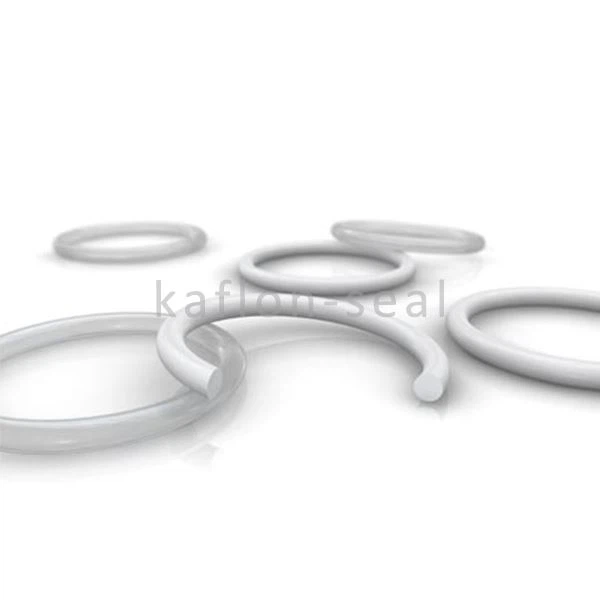
Let's break it down further. When we talk about different types of Teflon seals, the requirements might vary a bit. For example, in Valves And Chemical Pipelines PTFE Oring applications, the seal is exposed to harsh chemicals and high pressures. In such cases, a slightly smoother surface finish, around 0.4 - 0.8 micrometers, is often preferred. This helps to prevent chemical penetration through any microscopic gaps that could be caused by a rougher surface.
Now, consider Low Temperature FEP Encapsulated O Ring. These seals are designed to work in cold environments. A surface finish in the 0.8 - 1.2 micrometers range is usually a good choice. At low temperatures, the Teflon material becomes a bit stiffer, and this slightly rougher surface allows for better adhesion without causing excessive stress on the seal.
For F204 15% Carbon Fiber MoS2 Filled PTFE, which is a filled Teflon material, the surface finish requirements can be a bit more forgiving. The carbon fiber and MoS2 filling give the material more strength and wear resistance. A surface roughness of 1.2 - 1.6 micrometers can work well here. The filling helps to reduce the impact of any minor surface irregularities.
Before installing a Teflon seal, it's crucial to prepare the surface properly. You can use various methods to achieve the desired surface finish. For machining operations, turning, grinding, or honing can be used to control the surface roughness. After machining, it's important to clean the surface thoroughly. Any dirt, oil, or debris can affect the seal's performance.

It's also a good idea to inspect the surface for any defects like cracks or pits. These can cause the seal to fail prematurely, even if the surface finish is within the recommended range. If you find any defects, you might need to repair or replace the component before installing the seal.
When installing the Teflon seal, make sure to follow the manufacturer's instructions carefully. Use the right tools and techniques to avoid damaging the seal. For example, when inserting an O - ring, use a proper installation tool to prevent stretching or cutting the seal.
In addition to the surface finish, other factors can also affect the performance of Teflon seals. The installation process, the operating conditions (such as temperature, pressure, and chemical exposure), and the quality of the seal itself all play important roles.
If you're in the market for Teflon seals, I'd be more than happy to help. As a Teflon seal supplier, I've got a wide range of products to meet your needs. Whether you need seals for valves, low - temperature applications, or filled Teflon seals, we've got you covered.
We can also provide technical support and advice on surface finish requirements and installation. Just reach out to us, and we'll work with you to find the best solution for your specific application.
In conclusion, getting the surface finish right is key to ensuring the long - term performance of Teflon seals. By following the recommended surface finish ranges and proper installation procedures, you can avoid many common seal - related problems.
So, if you're looking for high - quality Teflon seals and expert advice, don't hesitate to contact us. Let's work together to make your sealing applications a success!
References:
- Engineering handbooks on sealing technology
- Manufacturer's guidelines for Teflon seals