


 Popular Blog Posts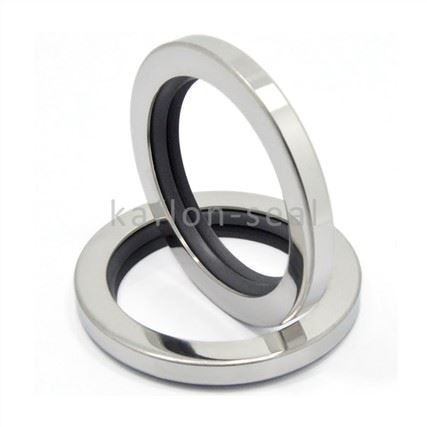


 Blog
BlogThe shelf life of materials is a crucial aspect that both suppliers and users need to understand. As a supplier of F200 PTFE Virgin, I often encounter inquiries about its shelf life. In this blog post, I'll delve into the factors that influence the shelf life of F200 PTFE Virgin and provide a comprehensive understanding of this important topic.
Understanding F200 PTFE Virgin
PTFE, or polytetrafluoroethylene, is a well - known synthetic fluoropolymer. F200 PTFE Virgin refers to the pure form of PTFE without any fillers or additives. It has outstanding chemical resistance, a low coefficient of friction, high thermal stability, and excellent electrical insulation properties. These features make it a popular choice in various industries, such as chemical processing, electronics, and automotive.
Factors Affecting the Shelf Life of F200 PTFE Virgin
1. Chemical Stability
PTFE is extremely chemically stable. It is resistant to most chemicals, including strong acids, bases, and organic solvents. This inherent chemical stability means that F200 PTFE Virgin can withstand long - term storage without significant chemical degradation. Under normal storage conditions, it will not react with the surrounding air, moisture, or common environmental chemicals. As a result, from a chemical perspective, it has a very long potential shelf life.


2. Temperature
Temperature plays a vital role in determining the shelf life of F200 PTFE Virgin. PTFE has a high melting point (around 327°C), which indicates its good thermal stability. However, exposure to high temperatures over an extended period can cause some changes in its physical properties. For example, if stored at temperatures close to its melting point, the material may start to soften slightly, which could affect its dimensional stability. On the other hand, extremely low temperatures may make the material more brittle. Therefore, storing F200 PTFE Virgin at moderate temperatures (preferably between - 20°C and 50°C) is recommended to maintain its properties over time.
3. Humidity
Although PTFE is hydrophobic, meaning it repels water, high humidity can still have an impact on its surface and potentially on its long - term performance. In a high - humidity environment, moisture can accumulate on the surface of the F200 PTFE Virgin products. This moisture may attract dust and other contaminants, which could potentially cause surface abrasion or affect the material's appearance. To avoid such issues, it is advisable to store F200 PTFE Virgin in a dry environment with a relative humidity below 60%.
4. UV Exposure
Ultraviolet (UV) radiation from sunlight can cause degradation of many polymers. PTFE has some resistance to UV radiation, but prolonged exposure can still lead to surface changes. UV rays can break the chemical bonds on the surface of the F200 PTFE Virgin, causing it to become brittle and lose its smoothness. Therefore, it is best to store F200 PTFE Virgin in a location where it is protected from direct sunlight or other sources of UV radiation.
Estimating the Shelf Life
Based on the above factors, under ideal storage conditions (moderate temperature, low humidity, and protection from UV radiation), F200 PTFE Virgin can have a shelf life of more than 10 years. In fact, in many cases, the material can maintain its properties for even longer periods. However, it is important to note that if the storage conditions are not optimal, the shelf life can be significantly reduced.
For example, if the material is stored in a hot and humid environment, the risk of surface degradation and dimensional changes increases. In such a scenario, the shelf life may be reduced to 5 years or even less. Similarly, if the material is exposed to UV radiation for a long time, its surface quality and mechanical properties may deteriorate within a few years.
Importance of Shelf Life in the Industry
For industries that rely on F200 PTFE Virgin, understanding its shelf life is essential. In the chemical processing industry, where PTFE is used for gaskets and seals, using aged material with degraded properties can lead to leaks and safety hazards. In the electronics industry, the electrical insulation properties of PTFE are crucial, and any change in these properties due to long - term storage can affect the performance of electronic devices.
Related Products and Their Shelf Lives
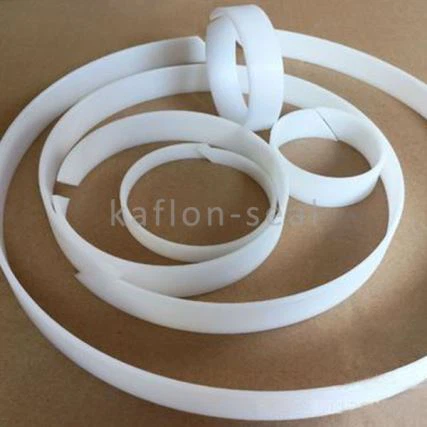
As a supplier, I also offer other PTFE - based products, such as F211 15% Graphite Filled PTFE, PTFE Filled With Graphite Back Up Seal, and Wearable PTFE Oring Seal. The shelf lives of these products are also influenced by similar factors as F200 PTFE Virgin. However, the presence of fillers like graphite may slightly alter their chemical and physical behaviors. For example, the graphite in the filled PTFE products can provide additional lubrication and wear resistance, but it may also introduce some minor changes in the way the material responds to environmental factors.
Quality Assurance and Shelf Life
At our supply business, we take quality assurance seriously. We ensure that all F200 PTFE Virgin products are stored in optimal conditions from the moment of production until they are shipped to our customers. We also provide detailed storage instructions to our customers to help them maintain the quality of the material during their own storage.
Before shipping, we conduct thorough inspections of the products to ensure that they meet the required quality standards. We test the physical and chemical properties of the F200 PTFE Virgin, including its density, hardness, and chemical resistance. This way, we can guarantee that our customers receive high - quality products with a long shelf life.
Contact for Procurement
If you are interested in purchasing F200 PTFE Virgin or any of our related products, we invite you to contact us for further discussion. We have a team of experts who can provide you with detailed information about the products, their applications, and storage requirements. Whether you need a small quantity for a research project or a large - scale supply for industrial production, we can meet your needs.
References
- "Handbook of Fluoropolymer Science and Technology" by John Scheirs
- "Polytetrafluoroethylene (PTFE) - Properties, Applications, and Manufacturing" published by the Society of Plastics Engineers.