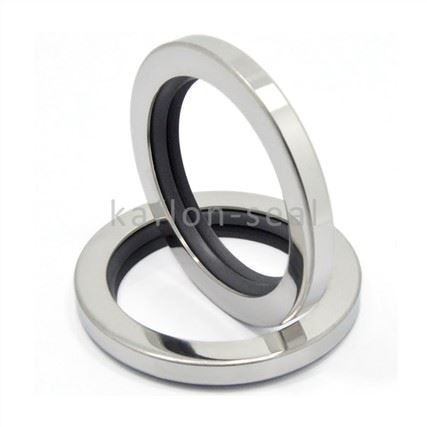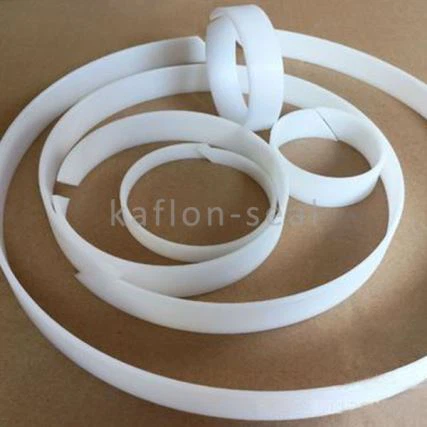

In the realm of fluid power systems, hydraulic systems stand out as a cornerstone technology, driving a wide array of machinery across various industries. At the heart of these systems, often overlooked but absolutely crucial, are hydraulic seals. As a seasoned supplier of hydraulic seals, I've witnessed firsthand the pivotal role these components play in ensuring the efficiency, reliability, and longevity of hydraulic systems. In this blog, I'll delve into the multifaceted functions of hydraulic seals, explore their types, and discuss why choosing the right seals is essential for optimal system performance.
The Fundamental Role of Hydraulic Seals
Hydraulic systems operate by transmitting force through a pressurized fluid, typically oil. This fluid is directed through a network of pumps, valves, cylinders, and hoses to perform mechanical work. The primary function of hydraulic seals is to contain the hydraulic fluid within the system and prevent leakage. Even a small amount of fluid leakage can lead to a significant loss of system efficiency, as the pressure required to perform work is compromised. Moreover, leakage can result in environmental contamination, increased maintenance costs, and potential safety hazards.
In addition to preventing fluid leakage, hydraulic seals also serve to keep contaminants out of the system. Dust, dirt, and moisture can enter the hydraulic system through various openings, such as the rod end of a cylinder. These contaminants can cause abrasion, corrosion, and damage to internal components, leading to premature wear and failure. Hydraulic seals act as a barrier, protecting the system from external contaminants and ensuring the cleanliness of the hydraulic fluid.
Types of Hydraulic Seals and Their Applications
There are several types of hydraulic seals, each designed for specific applications and operating conditions. Here are some of the most common types:
1. Piston Seals
Piston seals are used to seal the piston within the cylinder bore. They prevent fluid from bypassing the piston, ensuring that the pressure generated by the fluid is effectively transferred to the piston rod. Piston seals are typically used in both single-acting and double-acting cylinders. For more information on Hydraulic Seals For Single And Double Acting, you can visit our website.
2. Rod Seals
Rod seals are installed on the rod end of the cylinder to prevent fluid leakage from the cylinder as the rod extends and retracts. They also protect the rod from external contaminants. Rod seals are designed for dynamic sealing applications, where there is relative motion between the seal and the rod. Our Rod Seal For Dynamic Sealing is a high-quality option for such applications.
3. Wiper Seals
Wiper seals, also known as scraper seals, are located at the outermost part of the cylinder rod. Their primary function is to remove dirt, dust, and moisture from the rod surface as it enters the cylinder, preventing these contaminants from entering the system. Hydraulic Wiper Seals are essential for maintaining the cleanliness of the hydraulic fluid and protecting the internal components of the cylinder.
4. O-Rings
O-rings are one of the most common types of seals used in hydraulic systems. They are circular elastomeric seals that are typically installed in a groove to create a static seal between two mating surfaces. O-rings are used in a variety of applications, including valve bodies, flanges, and connections, to prevent fluid leakage.
Factors Affecting Seal Performance
The performance of hydraulic seals is influenced by several factors, including:
1. Operating Pressure
The operating pressure of the hydraulic system is a critical factor in seal selection. Seals must be able to withstand the pressure without deforming or failing. High-pressure applications require seals with high-strength materials and robust designs.
2. Temperature
Temperature can have a significant impact on the performance of hydraulic seals. Extreme temperatures can cause the seal material to harden, crack, or lose its elasticity, leading to leakage. Seals must be selected based on the operating temperature range of the system.
3. Fluid Compatibility
The hydraulic fluid used in the system must be compatible with the seal material. Different seal materials have different chemical resistance properties, and using an incompatible fluid can cause the seal to swell, shrink, or degrade over time.
4. Surface Finish
The surface finish of the mating surfaces, such as the cylinder bore and the rod, can affect the sealing performance. A smooth surface finish reduces friction and wear on the seal, while a rough surface can cause damage to the seal and lead to leakage.
The Importance of Choosing the Right Hydraulic Seals
Selecting the right hydraulic seals is crucial for the proper functioning of the hydraulic system. Using incorrect or low-quality seals can result in frequent leakage, reduced system efficiency, and increased maintenance costs. Here are some reasons why choosing the right seals is essential:
1. System Reliability
High-quality seals ensure the reliability of the hydraulic system by preventing fluid leakage and protecting the internal components from contamination. This reduces the risk of system failures and downtime, improving productivity and profitability.
2. Energy Efficiency
Properly sealed hydraulic systems operate more efficiently, as there is less energy loss due to fluid leakage. This can result in significant cost savings over the life of the system.
3. Environmental Protection
Preventing fluid leakage helps to protect the environment from contamination. Hydraulic fluid can be harmful to the environment if it leaks into the soil or water. By using high-quality seals, we can minimize the environmental impact of hydraulic systems.
4. Longevity of Components
Seals play a crucial role in protecting the internal components of the hydraulic system from wear and damage. By keeping contaminants out of the system and preventing fluid leakage, seals can extend the lifespan of components such as cylinders, pumps, and valves.
Our Expertise as a Hydraulic Seals Supplier
As a leading supplier of hydraulic seals, we have extensive experience in providing high-quality sealing solutions for a wide range of industries. Our team of experts is dedicated to understanding the unique requirements of each customer and recommending the most suitable seals for their applications.


We offer a comprehensive range of hydraulic seals, including piston seals, rod seals, wiper seals, and O-rings, made from a variety of materials such as nitrile rubber, fluorocarbon rubber, and polyurethane. Our seals are manufactured to the highest standards of quality and performance, ensuring reliable and long-lasting operation.
In addition to our standard product offerings, we also provide custom sealing solutions for specific applications. Our engineering team can work with you to design and develop seals that meet your exact specifications, taking into account factors such as operating pressure, temperature, fluid compatibility, and space constraints.
Contact Us for Your Hydraulic Seals Needs
If you're in the market for high-quality hydraulic seals, we invite you to contact us to discuss your requirements. Our team of experts will be happy to provide you with detailed information about our products, answer any questions you may have, and assist you in selecting the right seals for your application.
Investing in the right hydraulic seals is an investment in the efficiency, reliability, and longevity of your hydraulic system. Don't compromise on quality when it comes to sealing solutions. Contact us today to start the conversation and take the first step towards optimizing your hydraulic system performance.
References
- Fluid Power Handbook, edited by the National Fluid Power Association
- Hydraulic Seals: Design, Selection, and Application, by John A. Schey
- Sealing Technology Handbook, by Peter R. Swain