


 Popular Blog Posts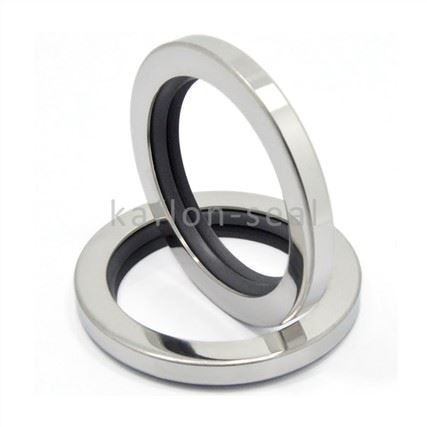


 Blog
BlogHey there! As a supplier of hydraulic piston seals, I often get asked if these seals can work effectively in a low - speed environment. Well, let's dive right into this topic and find out.
First off, what exactly is a low - speed environment in the context of hydraulic piston seals? Generally, low - speed operation in hydraulic systems can be defined as piston speeds below 0.1 m/s. These low - speed scenarios are quite common in many industrial applications, like heavy - duty machinery, where slow and precise movements are required.
Now, the performance of a hydraulic piston seal in a low - speed environment depends on several factors. One of the key aspects is the type of material the seal is made from. We offer a variety of seal materials, each with its own set of properties that can influence its performance at low speeds.
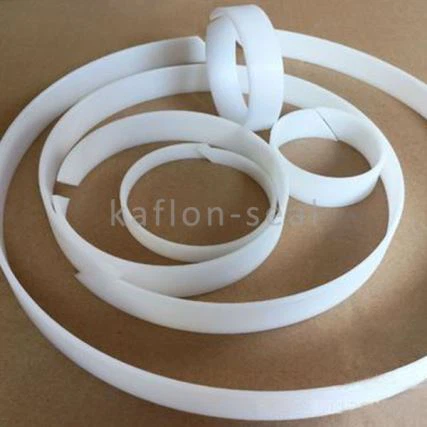
For instance, Hydraulic Sealing PTFE Guide Ring is a popular choice. PTFE (polytetrafluoroethylene) has excellent low - friction properties. In a low - speed environment, friction can be a major issue as it can cause wear and tear on the seal and the piston. The low friction of PTFE helps to reduce this wear, allowing the seal to maintain its integrity over a longer period. It also has good chemical resistance, which is crucial as hydraulic fluids can be quite harsh on the seals.
Another option is the Hydraulic PU Seal. Polyurethane (PU) seals are known for their high abrasion resistance. In low - speed applications, where the seal may be subject to slow, continuous movement against the piston or cylinder wall, abrasion can be a concern. The high abrasion resistance of PU seals ensures that they can withstand these conditions without significant damage. Additionally, PU seals have good elasticity, which allows them to maintain a tight seal even under low - speed, fluctuating pressures.
The OEM CPU Seal is also designed to perform well in various environments, including low - speed ones. These seals are often customized to meet specific OEM requirements, which means they can be engineered to have the right balance of properties for low - speed operation. For example, they can be made with materials that have optimized hardness and surface finish to reduce friction and improve sealing performance.


One of the challenges in a low - speed environment is the formation of a proper lubricating film. In high - speed applications, the movement of the piston helps to distribute the hydraulic fluid evenly, creating a lubricating film between the seal and the piston. At low speeds, this process can be more difficult. If the lubricating film is not formed properly, it can lead to increased friction, heat generation, and ultimately, seal failure.
To overcome this challenge, we design our seals with features that promote better lubrication. Some of our seals have special grooves or surface textures that help to trap and distribute the hydraulic fluid more effectively. This ensures that a sufficient lubricating film is maintained, even at low speeds.
Another factor to consider is the pressure in the hydraulic system. In low - speed applications, the pressure can still vary significantly. Our hydraulic piston seals are designed to handle these pressure variations. They are tested to ensure that they can maintain a reliable seal under different pressure conditions, whether it's a constant low pressure or intermittent high - pressure spikes.
Temperature is also an important consideration. Low - speed operations may not generate as much heat as high - speed ones, but the ambient temperature can still affect the performance of the seal. Different seal materials have different temperature ranges within which they can operate effectively. For example, PTFE seals can generally handle a wider range of temperatures compared to some other materials. We always recommend choosing the right seal material based on the expected temperature conditions in the application.
In addition to the material and design of the seal, proper installation is crucial for its performance in a low - speed environment. A poorly installed seal can lead to leaks, uneven wear, and reduced efficiency. We provide detailed installation instructions with all our products to ensure that our customers can install the seals correctly.
Maintenance is another aspect that should not be overlooked. Regular inspection of the seals can help to detect any signs of wear or damage early on. If a seal is showing signs of wear, it should be replaced promptly to prevent further problems. We also offer maintenance tips and support to our customers to help them keep their hydraulic systems in top condition.
So, to answer the question “Can a hydraulic piston seal work in a low - speed environment?” the answer is a resounding yes! With the right choice of seal material, proper design, installation, and maintenance, our hydraulic piston seals can perform effectively in low - speed applications.
If you're in the market for hydraulic piston seals for your low - speed hydraulic systems, we'd love to hear from you. Whether you need a standard seal or a custom - designed one, we have the expertise and products to meet your needs. Reach out to us to start a discussion about your requirements and let's work together to find the perfect solution for your hydraulic sealing needs.
References
- "Hydraulic Seals Handbook" by various industry experts
- Research papers on hydraulic system performance in low - speed environments from industry journals