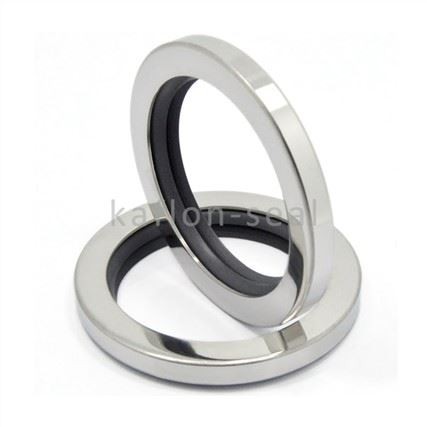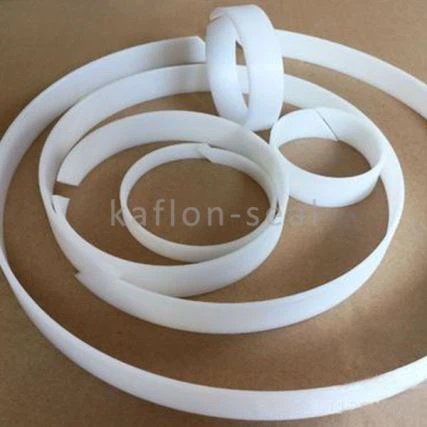

As a dedicated supplier of plastic seals, I've witnessed firsthand the critical role these components play across various industries. One of the most frequently asked questions I encounter is about the hardness of plastic seals. Understanding this property is essential for selecting the right seal for specific applications, ensuring optimal performance and longevity.
What is Hardness in Plastic Seals?
Hardness in plastic seals refers to the material's resistance to permanent indentation or deformation when a force is applied. It is a fundamental property that influences a seal's ability to withstand pressure, abrasion, and wear. Different industries require plastic seals with varying degrees of hardness to meet their specific operational needs.
The hardness of plastic seals is typically measured using standardized tests, such as the Shore durometer scale. This scale provides a numerical value that indicates the hardness of a material, with higher numbers representing harder plastics. For example, a plastic seal with a Shore hardness of 90A is harder than one with a Shore hardness of 70A.
Factors Affecting the Hardness of Plastic Seals
Several factors can influence the hardness of plastic seals, including the type of polymer used, the additives incorporated into the material, and the manufacturing process.
Polymer Type
Different polymers have inherent hardness characteristics. For instance, F270 UHMW - PE (Ultra - High Molecular Weight Polyethylene) is known for its relatively low hardness compared to other engineering plastics. It offers excellent wear resistance and self - lubricating properties, making it suitable for applications where flexibility and low friction are required.
On the other hand, F260 PEEK (Polyether Ether Ketone) is a high - performance polymer with a much higher hardness. PEEK seals can withstand high temperatures, chemical exposure, and mechanical stress, making them ideal for demanding applications in the aerospace, automotive, and medical industries.
Additives
Additives are often used to modify the properties of plastic seals, including hardness. Reinforcing agents such as glass fibers or carbon fibers can significantly increase the hardness and stiffness of the material. These additives improve the seal's dimensional stability and resistance to deformation under load.
Plasticizers, on the contrary, are used to reduce the hardness of plastics, making them more flexible and easier to process. They are commonly used in applications where a softer, more compliant seal is required, such as in gaskets for sealing irregular surfaces.
Manufacturing Process
The manufacturing process can also affect the hardness of plastic seals. Injection molding, extrusion, and compression molding are common methods used to produce plastic seals. Each process can result in different levels of hardness due to variations in cooling rates, pressure, and temperature.
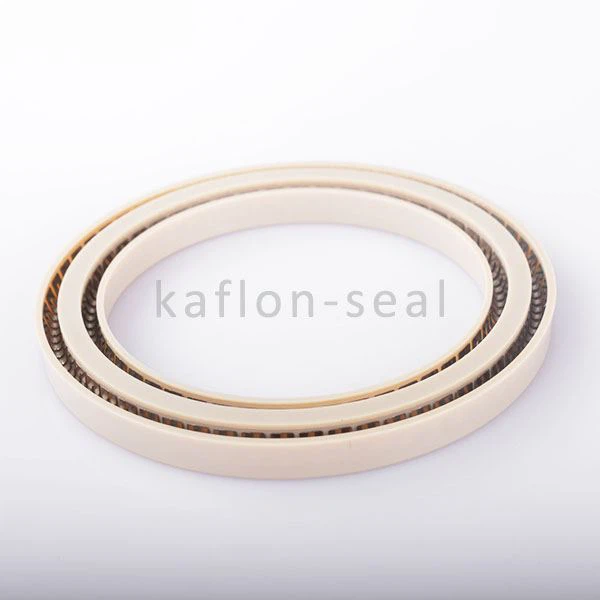

For example, rapid cooling during injection molding can cause the plastic to solidify quickly, resulting in a harder material. In contrast, a slower cooling rate may allow the polymer chains to align more freely, leading to a softer and more flexible seal.
Importance of Hardness in Different Applications
The hardness of plastic seals is crucial in determining their performance in various applications. Here are some examples:
Automotive Industry
In the automotive industry, plastic seals are used in engines, transmissions, and fuel systems. Harder seals are typically used in high - pressure applications, such as engine gaskets, where they need to withstand the forces generated by the engine's operation. These seals prevent leakage of fluids and gases, ensuring the efficient and reliable performance of the vehicle.
Softer seals, on the other hand, are used in applications where flexibility is required, such as door and window seals. They provide a tight seal against dust, water, and noise, enhancing the comfort and safety of the vehicle's occupants.
Aerospace Industry
The aerospace industry demands plastic seals with high hardness and excellent mechanical properties. Seals used in aircraft engines, hydraulic systems, and fuel tanks must be able to withstand extreme temperatures, pressures, and chemical exposure. F260 PEEK seals are often used in these applications due to their superior hardness, heat resistance, and chemical stability.
Medical Industry
In the medical industry, plastic seals are used in medical devices such as syringes, catheters, and surgical instruments. The hardness of these seals is carefully selected to ensure proper functionality and patient safety. Softer seals are used in applications where a gentle touch is required, such as in the sealing of medical tubing. Harder seals may be used in more rigid components, where they need to maintain their shape and integrity under pressure.
Selecting the Right Hardness for Your Application
Choosing the right hardness for your plastic seal is a critical decision that can impact the performance and longevity of your product. Here are some factors to consider when making this selection:
Operating Conditions
Consider the temperature, pressure, and chemical environment in which the seal will operate. High - temperature applications may require harder seals that can withstand thermal expansion and contraction without losing their sealing properties. Similarly, seals exposed to harsh chemicals may need to be made of a material with high chemical resistance and appropriate hardness.
Sealing Requirements
Determine the type of sealing required, such as static or dynamic sealing. Static seals are used to prevent leakage between stationary components, while dynamic seals are used in applications where there is relative motion between parts. Dynamic seals often require a harder material to withstand the friction and wear associated with movement.
Surface Finish
The surface finish of the mating components can also influence the choice of seal hardness. A smoother surface may require a softer seal to ensure a tight fit, while a rougher surface may need a harder seal to prevent damage and ensure proper sealing.
As a Plastic Seal Supplier
As a plastic seal supplier, I understand the importance of providing our customers with high - quality seals that meet their specific requirements. We offer a wide range of plastic seals with different hardness levels, materials, and sizes to suit various applications.
Our team of experts can assist you in selecting the right seal for your needs, taking into account factors such as operating conditions, sealing requirements, and budget. We use advanced manufacturing techniques and quality control measures to ensure that our seals meet the highest standards of performance and reliability.
If you are in need of plastic seals for your application, I encourage you to contact us for a consultation. We are committed to providing you with the best solutions and excellent customer service. Let's work together to find the perfect plastic seal for your project.
References
- "Plastics for Engineers: Materials, Properties, and Applications" by John Strongman
- "Handbook of Seal Technology" by Heinz K. Ferch
- "Polymer Science and Technology" by Donald R. Paul and Charles B. Bucknall