


 Popular Blog Posts


 Blog
BlogHey there! As a supplier of hydraulic wipers, I've seen firsthand the importance of wear resistance in these crucial components. Hydraulic wipers play a vital role in keeping hydraulic systems clean and functioning properly by preventing contaminants from entering the system. Over time, though, wear and tear can take a toll on these wipers, leading to reduced performance and potential system failures. So, in this blog post, I'm going to share some tips on how to improve the wear resistance of hydraulic wipers.
Choose the Right Material
One of the most important factors in determining the wear resistance of a hydraulic wiper is the material it's made from. Different materials have different properties, and choosing the right one for your specific application can make a big difference.
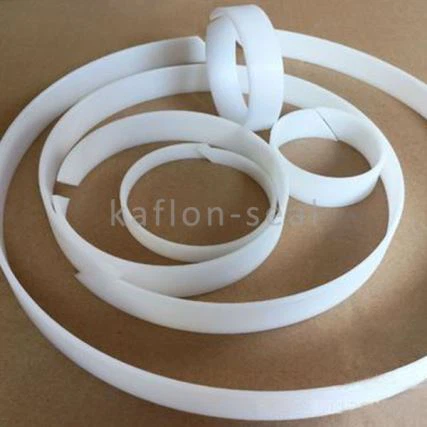
- PTFE Guide Rings: PTFE (Polytetrafluoroethylene) is a popular choice for hydraulic wipers due to its low friction coefficient and excellent chemical resistance. PTFE guide rings can help reduce wear on the wiper by providing a smooth surface for it to slide against. You can learn more about PTFE guide rings here.
- Phenolic Cloth Hydraulic Wiper: Phenolic cloth is another material that offers good wear resistance. It's a composite material made from layers of fabric impregnated with phenolic resin. Phenolic cloth hydraulic wipers are known for their durability and ability to withstand high pressures and temperatures. Check out Phenolic Cloth Hydraulic Wiper for more details.
- POM Guide Rings: POM (Polyoxymethylene), also known as acetal, is a high-performance engineering plastic that has excellent wear resistance and dimensional stability. POM guide rings can enhance the performance of hydraulic wipers by providing support and reducing friction. Find out more about POM guide rings here.
Optimize the Design
The design of the hydraulic wiper also plays a crucial role in its wear resistance. A well-designed wiper should be able to effectively seal the system while minimizing friction and wear.
- Lip Design: The lip of the wiper is the part that comes into contact with the rod or shaft. A properly designed lip can provide a good seal and reduce wear. For example, a tapered lip design can help distribute the pressure evenly, reducing the stress on the wiper and extending its lifespan.
- Clearance and Tolerance: Ensuring the right clearance and tolerance between the wiper and the rod or shaft is essential. If the clearance is too large, contaminants can enter the system, and if it's too small, the wiper can experience excessive wear. Working with an experienced engineer to optimize these parameters can make a significant difference.
- Backing Rings: Using backing rings can help support the wiper and prevent it from extruding under high pressures. This can improve the overall wear resistance of the wiper assembly.
Maintain Proper Lubrication
Lubrication is key to reducing friction and wear in hydraulic wipers. The right lubricant can create a protective film between the wiper and the rod or shaft, reducing the contact and preventing damage.
- Select the Right Lubricant: Different applications may require different types of lubricants. Consider factors such as the operating temperature, pressure, and the type of fluid in the hydraulic system when choosing a lubricant. Make sure the lubricant is compatible with the material of the wiper to avoid any chemical reactions that could degrade the wiper.
- Regular Lubrication Maintenance: Establish a regular lubrication schedule to ensure that the wiper is always properly lubricated. This can help extend the life of the wiper and improve the performance of the hydraulic system.
Control the Operating Environment
The operating environment can have a significant impact on the wear resistance of hydraulic wipers. Controlling factors such as temperature, humidity, and the presence of contaminants can help reduce wear and extend the lifespan of the wipers.


- Temperature Control: High temperatures can cause the material of the wiper to soften and degrade, while low temperatures can make it brittle. Try to keep the operating temperature within the recommended range for the wiper material. If necessary, use cooling or heating systems to maintain a stable temperature.
- Contaminant Prevention: Contaminants such as dirt, dust, and metal particles can cause abrasive wear on the wiper. Install effective filtration systems to remove these contaminants from the hydraulic fluid. Additionally, keep the surrounding environment clean to prevent contaminants from entering the system.
Conduct Regular Inspections
Regular inspections of the hydraulic wipers can help detect any signs of wear or damage early on. This allows you to take corrective action before the problem becomes more serious.
- Visual Inspections: Look for signs of wear, such as cracks, tears, or deformation in the wiper. Check the lip of the wiper for any signs of damage or uneven wear.
- Performance Monitoring: Monitor the performance of the hydraulic system, including factors such as pressure, flow rate, and leakage. Any changes in these parameters could indicate a problem with the wiper.
By following these tips, you can significantly improve the wear resistance of hydraulic wipers and ensure the long-term performance of your hydraulic systems. If you're looking for high-quality hydraulic wipers or need more advice on improving wear resistance, don't hesitate to get in touch. We're here to help you find the best solutions for your specific needs.
References
- "Hydraulic Seals Handbook"
- "Engineering Plastics for Sealing Applications"
- Industry research reports on hydraulic system components