
What is the abrasion resistance of plastic seals?
As a seasoned supplier of plastic seals, I've witnessed firsthand the critical role that abrasion resistance plays in the performance and longevity of these essential components. Plastic seals are used in a wide range of industries, from automotive and aerospace to manufacturing and consumer goods. In each of these applications, the ability of the seal to withstand wear and tear is paramount to ensuring the proper functioning of the equipment and the safety of the end - user.
Understanding Abrasion Resistance
Abrasion resistance refers to a material's ability to resist damage caused by friction, rubbing, or scraping. When it comes to plastic seals, this property is crucial because seals are often in contact with moving parts, rough surfaces, or abrasive substances. Over time, without sufficient abrasion resistance, a seal can wear down, leading to leaks, reduced efficiency, and potentially costly repairs.
The abrasion resistance of a plastic seal is influenced by several factors. One of the most important is the type of plastic used. Different plastics have different molecular structures and properties, which can affect their ability to resist abrasion. For example, some plastics are more rigid, while others are more flexible. Rigid plastics may offer better resistance to cutting and scratching, but they may be more brittle and prone to cracking under stress. Flexible plastics, on the other hand, can conform to irregular surfaces and absorb shocks, but they may be more susceptible to surface wear.
Types of Plastic Seals and Their Abrasion Resistance
Let's take a closer look at some common types of plastic seals and their abrasion - resistant characteristics.
Hydraulic Cylinder Seal
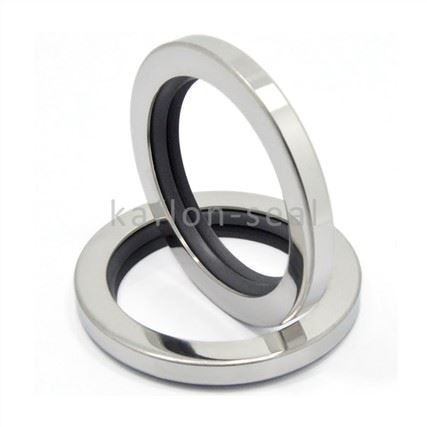
Hydraulic cylinder seals are used in hydraulic systems to prevent fluid leakage and maintain pressure. These seals are often exposed to high - pressure fluids, moving pistons, and abrasive particles in the hydraulic fluid. Hydraulic Cylinder Seal made from high - performance plastics, such as polyurethane or PTFE (polytetrafluoroethylene), offer excellent abrasion resistance. Polyurethane seals are known for their toughness and elasticity, which allows them to withstand repeated compression and friction without deforming. PTFE seals, on the other hand, have a low coefficient of friction, which reduces wear and tear on the seal and the mating surfaces.
F270 UHMW - PE
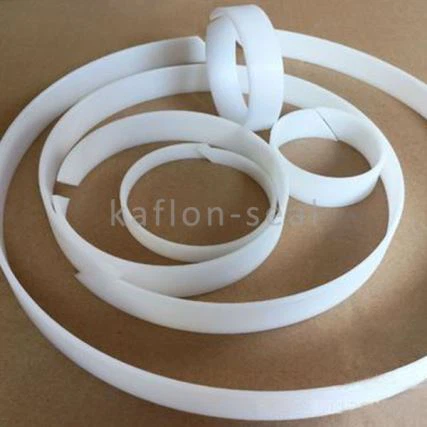
F270 UHMW - PE (Ultra - High - Molecular - Weight Polyethylene) is another plastic material commonly used in seal applications. UHMW - PE has a very high molecular weight, which gives it excellent abrasion resistance, self - lubrication, and impact resistance. F270 UHMW - PE seals are often used in applications where there is a lot of sliding or rubbing, such as conveyor systems or food processing equipment. The self - lubricating property of UHMW - PE reduces friction, which in turn reduces wear and extends the life of the seal.
Engineering Plastic Drain Valve Disc
Engineering Plastic Drain Valve Disc is used in drain valves to control the flow of liquids. These discs are exposed to the flow of the liquid, which can contain abrasive particles, as well as the mechanical action of opening and closing the valve. Engineering plastics, such as polycarbonate or polyacetal, are often used for drain valve discs because of their high strength, stiffness, and abrasion resistance. Polycarbonate is known for its impact resistance and transparency, while polyacetal has excellent dimensional stability and low friction.
Testing Abrasion Resistance
To ensure the quality and performance of plastic seals, it's important to test their abrasion resistance. There are several standard test methods available, such as the Taber Abrasion Test and the Pin - on - Disc Test.


The Taber Abrasion Test involves rubbing a specimen of the plastic seal against a rotating abrasive wheel under a specified load. The amount of material removed from the specimen after a certain number of revolutions is measured, and this measurement is used to evaluate the abrasion resistance of the material.
The Pin - on - Disc Test, on the other hand, involves sliding a pin made of the plastic seal material against a rotating disc under a controlled load. The wear rate of the pin is measured, and this provides information about the abrasion resistance of the material.
Improving Abrasion Resistance
There are several ways to improve the abrasion resistance of plastic seals. One approach is to choose the right plastic material for the application. As mentioned earlier, different plastics have different abrasion - resistant properties, so it's important to select a material that is suitable for the specific conditions of the application.
Another way to improve abrasion resistance is to add additives to the plastic. For example, adding glass fibers or carbon fibers to the plastic can increase its strength and stiffness, which can improve its abrasion resistance. Additionally, adding lubricants or anti - wear agents to the plastic can reduce friction and wear.
Surface treatments can also be used to improve the abrasion resistance of plastic seals. For example, coating the seal with a hard, wear - resistant material, such as a ceramic or a diamond - like carbon (DLC) coating, can significantly increase its abrasion resistance.
Importance of Abrasion Resistance in Different Industries
The importance of abrasion resistance in plastic seals varies from industry to industry.
In the automotive industry, plastic seals are used in engines, transmissions, and braking systems. These seals are exposed to high temperatures, high pressures, and abrasive particles, so they need to have excellent abrasion resistance to ensure the reliable operation of the vehicle. A worn - out seal in an engine can lead to oil leaks, which can cause engine damage and reduce fuel efficiency.
In the aerospace industry, plastic seals are used in aircraft engines, hydraulic systems, and environmental control systems. The seals in these applications need to be able to withstand extreme conditions, such as high altitudes, low temperatures, and high - speed airflow. Abrasion resistance is crucial to prevent leaks and ensure the safety and performance of the aircraft.
In the manufacturing industry, plastic seals are used in a variety of equipment, such as pumps, valves, and conveyor systems. These seals are often in contact with moving parts and abrasive materials, so they need to have good abrasion resistance to prevent downtime and reduce maintenance costs.
Conclusion
Abrasion resistance is a critical property of plastic seals. It determines the durability and performance of the seals in various applications. As a plastic seal supplier, we understand the importance of providing high - quality seals with excellent abrasion resistance. Whether you need Hydraulic Cylinder Seal, F270 UHMW - PE seals, or Engineering Plastic Drain Valve Disc, we have the expertise and the materials to meet your needs.
If you are interested in learning more about our plastic seals or would like to discuss your specific requirements, we encourage you to contact us for a procurement negotiation. We look forward to working with you to provide the best sealing solutions for your applications.
References
- ASTM International. (Year). Standard test methods for abrasion resistance of plastics.
- Society of Plastics Engineers. (Year). Handbook of plastic materials and technology.
- Manufacturer's technical data sheets for various plastic materials used in seal applications.