
When it comes to using hydraulic piston seals in low - speed applications, there are several special considerations that we, as a hydraulic piston seal supplier, think are super important. Let's dig into these aspects one by one.
Friction and Lubrication
One of the key things in low - speed hydraulic systems is dealing with friction. At low speeds, the hydrodynamic lubrication regime that we often rely on in high - speed applications might not work as well. You see, in high - speed setups, the rapid movement of the piston helps to create a continuous lubricating film between the seal and the cylinder wall. But when the speed drops, this film can break down more easily.

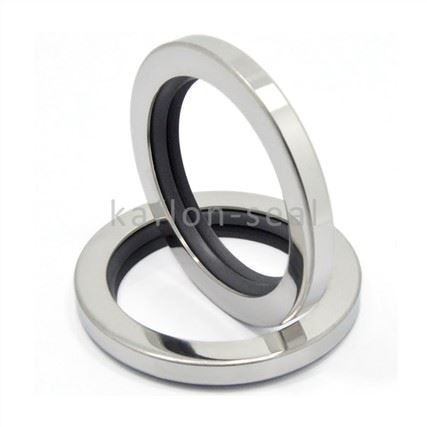
This is where our Wearable Piston Sealing Glyd Ring comes in super handy. It's designed with special materials and a unique geometry that can maintain better contact with the cylinder wall even at low speeds. The material used in our Glyd Ring has a low coefficient of friction, which means it reduces the amount of energy wasted in overcoming friction. And this is crucial because excessive friction can lead to premature wear of the seal, increased heat generation, and even a decrease in the overall efficiency of the hydraulic system.
Proper lubrication is also a must. We recommend using high - quality hydraulic fluids that are specifically formulated for low - speed applications. These fluids have additives that can enhance the lubricating properties and help to maintain a stable lubricating film. They also protect the seal from corrosion and oxidation, which can further extend the seal's lifespan.
Seal Material Selection
The choice of seal material is a game - changer in low - speed applications. Different materials have different properties, and you need to pick the one that suits your specific needs. For example, polyurethane seals are a great option for low - speed hydraulic systems. They have excellent abrasion resistance, which is essential when the piston moves slowly and there's more time for particles in the fluid to cause damage.
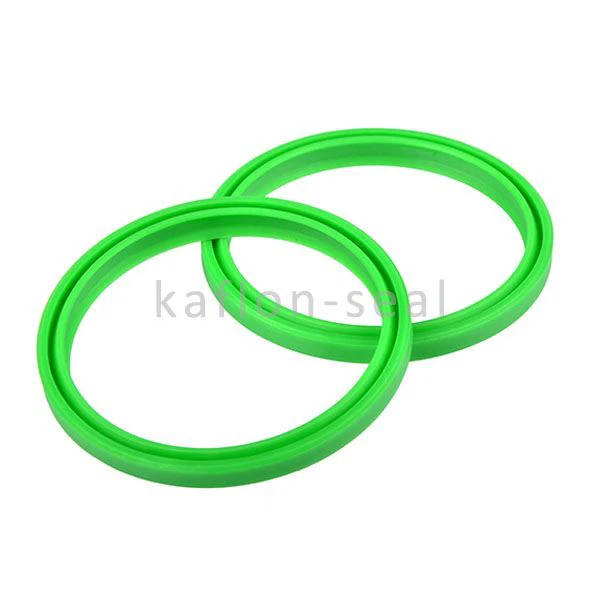
Polyurethane also has good elasticity, which allows it to maintain a tight seal even under low - pressure conditions. This is important because in low - speed applications, the pressure fluctuations might be less intense compared to high - speed ones, and a seal with poor elasticity might not be able to adapt well.
On the other hand, rubber seals can also be used, but they need to be carefully selected. Some types of rubber might not perform as well in low - speed scenarios due to their relatively higher friction coefficients. However, if you choose a rubber with the right additives and compound formulation, it can still be a reliable option.
Pressure and Temperature
Low - speed applications don't always mean low pressure. In fact, some hydraulic systems operating at low speeds can still experience high pressures. This means that the piston seal needs to be able to withstand these pressures without leaking or deforming.
Our seals are engineered to handle a wide range of pressures. We use advanced manufacturing techniques to ensure that the seals have consistent quality and can maintain their integrity under high - pressure conditions. For example, the cross - sectional design of our seals is optimized to distribute the pressure evenly across the seal surface, reducing the risk of stress concentrations that could lead to failure.
Temperature is another factor to consider. Low - speed hydraulic systems can generate heat due to friction, and if the temperature rises too high, it can affect the performance of the seal. The materials we use in our seals have good heat resistance. They can maintain their mechanical properties even at elevated temperatures, which helps to prevent the seal from hardening or losing its elasticity.
Contamination
Contamination is a big problem in any hydraulic system, but it can be even more challenging in low - speed applications. Since the piston moves slowly, there's more time for contaminants like dirt, dust, and metal particles to settle on the seal surface. These contaminants can act like abrasives, wearing down the seal and causing leaks.
That's where our Hydraulic Wiper Seals play a crucial role. They are installed at the rod end of the cylinder to wipe away any contaminants before they can reach the piston seal. Our wiper seals are made from high - quality materials that can effectively trap and remove dirt, ensuring that the piston seal operates in a clean environment.
We also recommend using hydraulic filters in the system to further reduce the level of contamination. Regular maintenance, including fluid changes and filter replacements, is essential to keep the system clean and the seals in good condition.
Wear and Durability
In low - speed applications, the wear rate of the piston seal can be different compared to high - speed ones. The slower movement means that the seal is in contact with the cylinder wall for a longer time, which can lead to more gradual wear.
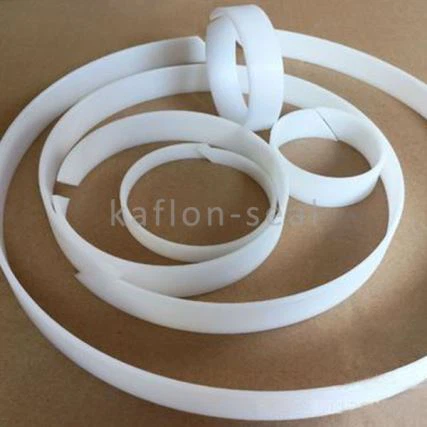
Our Hydraulic Wear Rings are designed to reduce the wear on the piston seal. They act as a bearing surface between the piston and the cylinder wall, taking on some of the load and reducing the direct contact between the seal and the wall. This helps to extend the lifespan of the piston seal and improve the overall durability of the hydraulic system.
We conduct extensive testing on our seals to ensure their wear resistance. We simulate different operating conditions, including low - speed and high - pressure scenarios, to see how the seals perform over time. Based on the test results, we continuously improve our products to make them more durable and reliable.

Installation and Alignment
Proper installation and alignment are often overlooked but are extremely important in low - speed applications. If the seal is not installed correctly, it can lead to uneven stress distribution, which can cause premature wear and leakage.
We provide detailed installation instructions with all our products. Our seals are designed to be easy to install, but it's still crucial to follow the guidelines carefully. For example, make sure that the seal is properly lubricated before installation to reduce friction and prevent damage.
Alignment of the piston and the cylinder is also vital. Misalignment can cause the seal to be subjected to additional forces, which can affect its performance. We recommend using alignment tools during the installation process to ensure that everything is in place.
Compatibility with the System
The hydraulic piston seal needs to be compatible with the entire hydraulic system. This includes the hydraulic fluid, the cylinder material, and other components in the system.
Our seals are tested to be compatible with a wide range of hydraulic fluids. We understand that different applications might require different types of fluids, and we want to make sure that our seals work well with all of them. For example, some hydraulic fluids might have additives that can react with certain seal materials, so we carefully select materials that are resistant to these reactions.
The seal also needs to be compatible with the cylinder material. For instance, if the cylinder is made of a soft metal, the seal material should not be too abrasive to avoid damaging the cylinder wall.
In conclusion, using hydraulic piston seals in low - speed applications requires careful consideration of many factors, including friction, lubrication, material selection, pressure, temperature, contamination, wear, installation, and system compatibility. As a leading hydraulic piston seal supplier, we have the expertise and the products to meet all your needs. If you're looking for high - quality hydraulic piston seals for your low - speed applications, don't hesitate to get in touch with us for procurement and further discussions.
References
- "Hydraulic Seals Handbook", Industrial Press Inc.
- "Fluid Power Technology", Pearson Education