


 Popular Blog Posts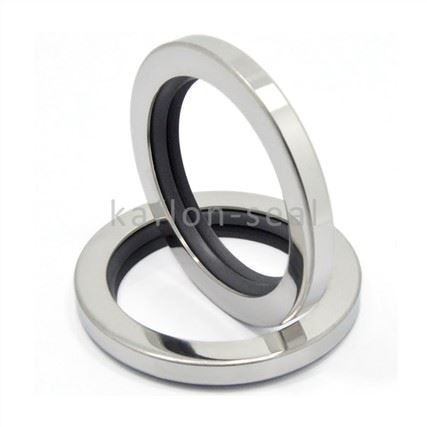


 Blog
BlogYo, what's up! As a supplier of PTFE lip seals, I've seen firsthand how these little wonders can make a huge difference in various industries. But like any other mechanical component, PTFE lip seals need proper maintenance to keep them performing at their best. So, let's dive into what it takes to maintain these seals and ensure they last as long as possible.
Understanding PTFE Lip Seals
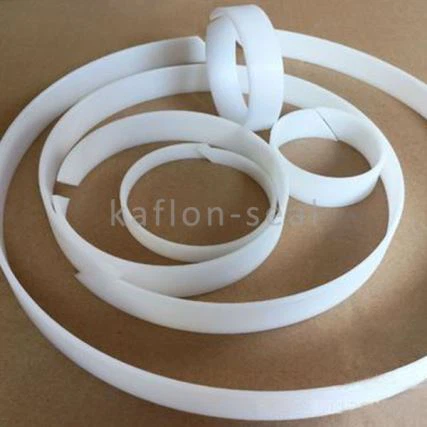
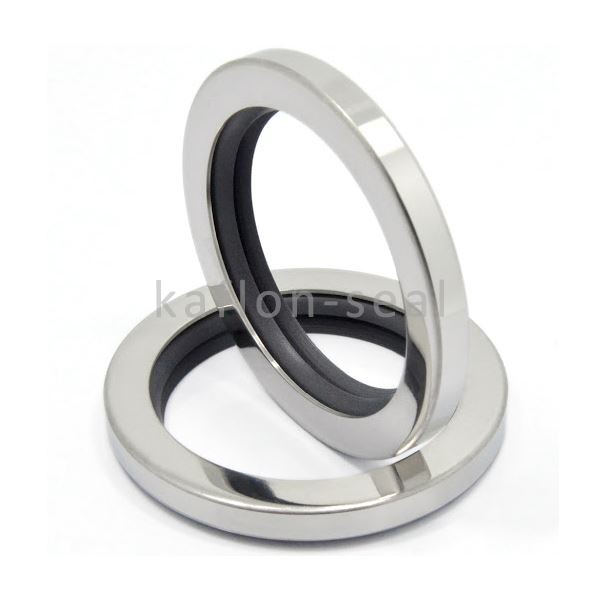
First off, let's quickly go over what PTFE lip seals are. PTFE, or polytetrafluoroethylene, is a synthetic fluoropolymer known for its excellent chemical resistance, low friction coefficient, and high temperature tolerance. Lip seals made from PTFE are used to prevent the leakage of fluids, such as oil or grease, in rotating machinery. They work by creating a tight seal against a shaft or housing, keeping the fluid inside and contaminants out.
General Maintenance Tips
Regular Inspections
One of the most important aspects of maintaining PTFE lip seals is regular inspections. You should check the seals for any signs of wear, damage, or leakage at least once a month, or more frequently if the equipment is operating under harsh conditions. Look for things like cracks, tears, or deformation in the seal lip. If you notice any of these issues, it's time to replace the seal.
Cleanliness
Keeping the area around the seal clean is crucial. Dirt, dust, and other contaminants can cause premature wear and damage to the seal. Before installing a new seal, make sure the shaft and housing are clean and free of any debris. Use a mild solvent or cleaning agent to remove any grease or oil, and then dry the surfaces thoroughly.
Proper Installation
Installing PTFE lip seals correctly is essential for their performance and longevity. Make sure you follow the manufacturer's instructions carefully. Use the right tools and techniques to avoid damaging the seal during installation. For example, when pressing the seal onto the shaft, use a suitable installation tool to apply even pressure.
Specific Maintenance Requirements
Temperature and Pressure
PTFE lip seals can handle a wide range of temperatures and pressures, but they do have their limits. Make sure the operating temperature and pressure of the equipment are within the specifications of the seal. If the temperature or pressure exceeds the recommended range, it can cause the seal to deform or lose its sealing ability.

Chemical Compatibility
Since PTFE is known for its chemical resistance, it can be used in many different chemical environments. However, it's still important to check the chemical compatibility of the seal with the fluid it will be in contact with. Some chemicals can react with PTFE and cause it to degrade over time.
Lubrication
Proper lubrication is essential for the smooth operation of PTFE lip seals. Use a lubricant that is compatible with the seal material and the fluid in the system. Lubrication helps reduce friction and wear on the seal lip, and it also helps prevent leakage.
Types of PTFE Lip Seals and Their Maintenance
Screw Comprosser PTFE Oil Seal
These seals are commonly used in screw compressors. They need to be inspected regularly for any signs of wear due to the high-pressure and high-speed operation of the compressor. Make sure the lubrication system is working properly to keep the seal cool and reduce friction.
Double Lips PTFE Oil Seal
Double lips provide extra protection against leakage. However, they also require more careful maintenance. Check both lips for wear and damage, and make sure the space between the lips is clean and free of debris.
PTFE Filled POB Shaft Seal
These seals are designed to handle more demanding applications. They are filled with a special material to improve their performance. Make sure the filling material is in good condition and hasn't been damaged or washed out.
Troubleshooting Common Issues
Leakage
If you notice leakage around the PTFE lip seal, it could be due to a number of reasons. It could be a sign of wear, improper installation, or a problem with the operating conditions. Check the seal for damage, and make sure it's installed correctly. If the problem persists, you may need to replace the seal.
Excessive Wear
Excessive wear on the seal lip can be caused by high friction, improper lubrication, or the presence of contaminants. Make sure the lubrication system is working properly, and keep the area around the seal clean. If the wear is severe, replace the seal.
Conclusion
Maintaining PTFE lip seals is not rocket science, but it does require some attention to detail. By following these maintenance tips, you can ensure that your seals last longer and perform better. If you have any questions or need more information about PTFE lip seals, don't hesitate to reach out. We're here to help you find the right seal for your application and keep it in top condition. Whether you're in the manufacturing, automotive, or any other industry, we've got the expertise and the products to meet your needs. So, if you're looking to purchase PTFE lip seals or need advice on their maintenance, just get in touch, and we'll start the conversation.
References
- "Sealing Technology Handbook" by John H. Bickford
- "PTFE Materials and Applications" by David A. Tomalia