


 Popular Blog Posts


 Blog
BlogLubrication is a crucial aspect of maintaining the performance and longevity of hydraulic piston seals. As a leading supplier of Hydraulic Piston Seals, we understand the significance of proper lubrication in ensuring the optimal functioning of hydraulic systems. In this blog, we'll delve into the lubrication requirements for a hydraulic piston seal, exploring their role, types of lubricants, and how to maintain them properly.
The Role of Lubrication in Hydraulic Piston Seals
Hydraulic piston seals are responsible for preventing fluid leakage between the piston and the cylinder bore in a hydraulic system. They operate under high pressures and speeds, which can generate significant friction and heat. Lubrication plays a vital role in reducing friction and wear on the seals, as well as preventing corrosion and oxidation.
Firstly, lubrication helps to create a thin film between the seal and the mating surfaces, which reduces direct metal-to-metal contact. This film serves as a buffer, absorbing the energy generated by the moving parts and minimizing wear and tear. Secondly, it helps to dissipate heat generated during operation, preventing the seal from overheating and losing its elasticity. Thirdly, a good lubricant can protect the seal from chemical attack and environmental factors, such as moisture and oxygen, which can cause degradation over time.


Types of Lubricants for Hydraulic Piston Seals
There are several types of lubricants suitable for hydraulic piston seals, and the choice depends on various factors, such as the type of seal material, operating conditions, and the hydraulic fluid used in the system.
Mineral Oil-based Lubricants
Mineral oil-based lubricants are the most commonly used lubricants in hydraulic systems. They are cost-effective, readily available, and offer good lubrication properties. These lubricants are suitable for a wide range of operating temperatures and pressures. However, they may not be compatible with some synthetic seal materials and can degrade over time when exposed to high temperatures or contaminants.
Synthetic Lubricants
Synthetic lubricants, such as polyalphaolefins (PAO) and esters, offer superior performance compared to mineral oil-based lubricants. They have excellent thermal stability, oxidation resistance, and low-temperature fluidity. Synthetic lubricants are also more compatible with a wider range of seal materials, making them suitable for high-performance hydraulic systems. However, they are generally more expensive than mineral oil-based lubricants.
Biodegradable Lubricants
With increasing environmental concerns, biodegradable lubricants are becoming more popular in hydraulic systems. These lubricants are typically made from vegetable oils or esters and are designed to break down naturally over time. Biodegradable lubricants offer good lubrication properties and are compatible with many seal materials. They are a great choice for applications where environmental impact is a concern, such as in marine or agricultural equipment.
Compatibility between Lubricants and Seal Materials
One of the most critical factors in lubricating hydraulic piston seals is ensuring compatibility between the lubricant and the seal material. Different seal materials have different chemical and physical properties, and using an incompatible lubricant can cause swelling, shrinkage, or chemical degradation of the seal.
For example, nitrile rubber (NBR) seals are commonly used in hydraulic systems due to their good resistance to oil and fuel. They are compatible with mineral oil-based lubricants and some synthetic lubricants. However, they may not be compatible with some solvents or chemicals. Fluorocarbon rubber (FKM) seals, on the other hand, offer excellent chemical resistance and are compatible with a wide range of lubricants, including synthetic and high-temperature fluids.
It's essential to consult the seal manufacturer's recommendations or a lubricant specialist to select the appropriate lubricant for your specific seal material and application. Incorrect lubricant selection can lead to premature seal failure, increased maintenance costs, and potential system downtime.
Lubrication Application and Maintenance
Once you've selected the right lubricant for your hydraulic piston seals, it's crucial to apply and maintain it correctly. Here are some best practices for lubrication application and maintenance:
Initial Lubrication
Before installing the hydraulic piston seals, it's recommended to apply a thin layer of lubricant to the seal surface and the mating parts. This helps to facilitate the installation process and ensures proper seating of the seal. Make sure to use the same lubricant that will be used in the hydraulic system to avoid compatibility issues.
Regular Inspection and Monitoring
Regular inspection of the hydraulic system is essential to ensure the proper functioning of the piston seals and the effectiveness of the lubrication. Check for signs of leakage, wear, or damage to the seals, as well as the condition of the lubricant. Monitor the operating temperature, pressure, and fluid level in the system to detect any potential issues early.
Lubricant Replacement
Over time, the lubricant in the hydraulic system will degrade due to oxidation, contamination, and thermal breakdown. It's important to follow the manufacturer's recommendations for lubricant replacement intervals. Regularly changing the lubricant helps to maintain its performance and protects the seals and other components in the system.
Importance of Quality Hydraulic Sealing Components
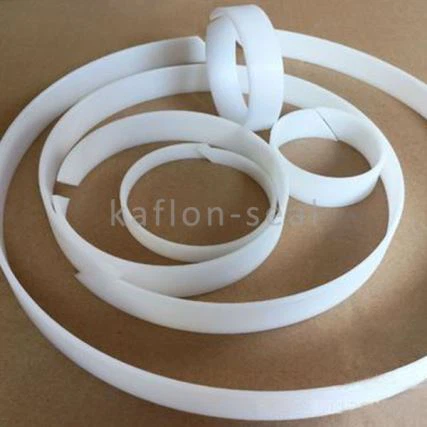
In addition to proper lubrication, using high-quality hydraulic sealing components is essential for the reliable operation of hydraulic systems. As a supplier, we offer a wide range of sealing solutions, including Hydraulic Wear Rings, POM Guide Ring For Hydraulic, and Piston Sealing U Ring. These components are designed to work together with the piston seals to provide optimal performance and durability.
Hydraulic wear rings help to guide the piston and prevent metal-to-metal contact between the piston and the cylinder bore, reducing wear and extending the life of the seal. POM guide rings offer excellent mechanical properties and low friction, ensuring smooth operation of the piston. Piston sealing U rings provide a reliable seal against fluid leakage and are available in various materials to suit different applications.
Conclusion
Proper lubrication is essential for the performance and longevity of hydraulic piston seals. By understanding the role of lubrication, selecting the right lubricant, ensuring compatibility with the seal material, and following best practices for application and maintenance, you can maximize the efficiency and reliability of your hydraulic system.
If you're looking for high-quality hydraulic piston seals and related components, or if you have any questions about lubrication requirements, we're here to help. Contact us to discuss your specific needs and explore how our products can meet your demands. Our team of experts is ready to assist you in selecting the right solutions for your hydraulic systems.
References
- "Hydraulic Seals Handbook" - various industry authors
- Technical literature from leading lubricant manufacturers
- Manufacturer specifications for hydraulic piston seals and related components