


 Popular Blog Posts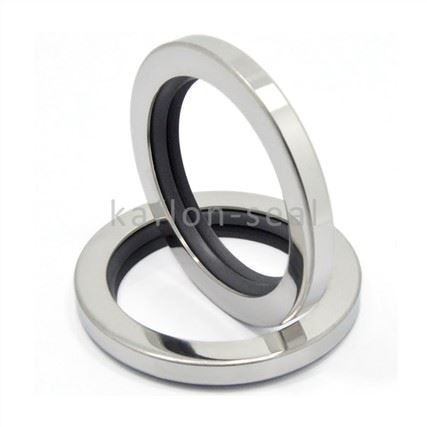


 Blog
BlogPTFE lip seals are widely recognized for their excellent chemical resistance, low friction, and wide temperature range capabilities. However, when it comes to high - humidity environments, many customers often wonder if these seals can perform effectively. As a PTFE Lip Seal supplier, I'd like to delve into this topic and provide you with a comprehensive understanding.
Characteristics of PTFE Lip Seals
PTFE, or polytetrafluoroethylene, is a synthetic fluoropolymer of tetrafluoroethylene. It has a unique molecular structure that gives it several outstanding properties. First and foremost, PTFE has extremely low surface energy, which means it is highly resistant to adhesion. This property is beneficial for lip seals as it reduces friction between the seal and the shaft, minimizing wear and tear and extending the service life of the seal.
Secondly, PTFE has excellent chemical resistance. It can withstand a wide range of chemicals, including acids, bases, and organic solvents. This makes PTFE lip seals suitable for use in various industrial applications where exposure to corrosive substances is a concern.
In addition, PTFE has a wide operating temperature range. It can function well from extremely low temperatures (down to - 200°C) to relatively high temperatures (up to 260°C). This temperature stability allows PTFE lip seals to be used in diverse environments, from cryogenic applications to high - temperature industrial processes.
Challenges in High - Humidity Environments
High - humidity environments present several challenges for any sealing solution. One of the primary concerns is the potential for corrosion. Moisture in the air can react with metal components of the seal or the mating parts, leading to rust and degradation. This can compromise the integrity of the seal and reduce its effectiveness in preventing fluid leakage.
Another issue is the impact of humidity on the lubrication properties. In high - humidity conditions, water can displace the lubricant between the seal lip and the shaft. This can increase friction, generate more heat, and accelerate wear of the seal. Moreover, the presence of water can also cause swelling or softening of some sealing materials, which may affect the sealing performance.
Performance of PTFE Lip Seals in High - Humidity Environments
When it comes to high - humidity environments, PTFE lip seals have several advantages. Firstly, PTFE's hydrophobic nature makes it resistant to water absorption. Unlike some other sealing materials that may swell or degrade when exposed to water, PTFE maintains its dimensional stability in high - humidity conditions. This ensures that the seal can maintain a proper fit and sealing performance over time.
Secondly, PTFE's low friction coefficient remains relatively stable even in the presence of moisture. The self - lubricating property of PTFE helps to reduce the frictional heat generated during operation, which is crucial in preventing premature wear of the seal. This is especially important in high - humidity environments where the presence of water may otherwise disrupt the lubrication film.
However, it's important to note that while PTFE itself is resistant to water, the overall performance of a PTFE lip seal in a high - humidity environment can also be affected by other factors. For example, the metal components used in the seal assembly, such as the spring or the housing, may be susceptible to corrosion. To address this issue, we can use corrosion - resistant metals or apply protective coatings to these components.
Applications in High - Humidity Environments
PTFE lip seals have found applications in many high - humidity environments. For instance, in the marine industry, where equipment is constantly exposed to high humidity and saltwater, PTFE lip seals can be used to seal shafts in pumps, motors, and other machinery. Their resistance to water and chemicals makes them suitable for protecting these critical components from corrosion and leakage.
In the food and beverage industry, where high - humidity cleaning processes are common, PTFE lip seals can be used in equipment such as mixers, conveyors, and filling machines. Their ability to maintain a clean and reliable seal even in wet conditions helps to ensure the hygiene and safety of the production process.
Our Product Offerings
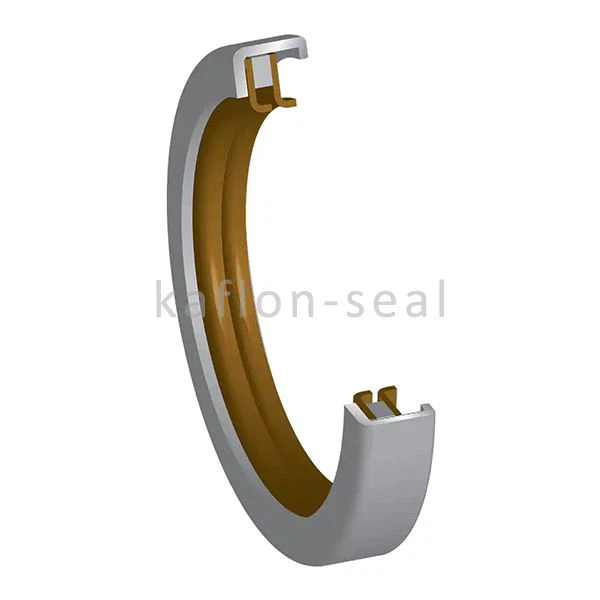
As a PTFE Lip Seal supplier, we offer a wide range of products suitable for various applications, including high - humidity environments. Our Double Lips PTFE Oil Seal provides enhanced sealing performance with its double - lip design. The additional lip helps to prevent fluid leakage more effectively, even in challenging conditions.
Our Vacuum Operation PTFE Stainless Oil Seal is specifically designed for applications where vacuum conditions are involved. The use of stainless steel components provides excellent corrosion resistance, making it suitable for high - humidity environments.
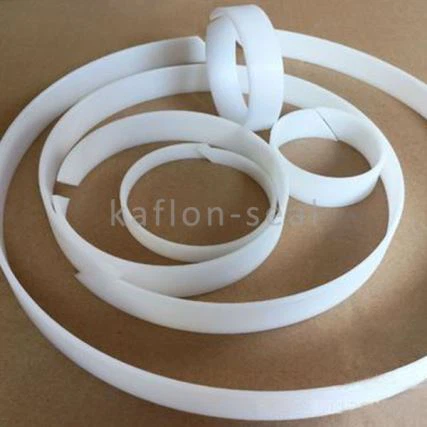
Of course, our PTFE Lip Seal is a versatile product that can be customized to meet different requirements. Whether you need a seal for a specific size of shaft or a particular operating condition, we can work with you to develop the most suitable solution.

Conclusion
In conclusion, PTFE lip seals can indeed be used in high - humidity environments. Their hydrophobic nature, low friction coefficient, and chemical resistance make them well - suited to withstand the challenges posed by moisture. However, to ensure optimal performance, it's important to consider the overall design of the seal, including the choice of metal components and any additional protective measures.
If you are looking for a reliable sealing solution for your high - humidity applications, we are here to help. Our team of experts can provide you with professional advice and customized solutions based on your specific needs. Contact us today to start the procurement discussion and find the perfect PTFE lip seal for your project.
References
- "Handbook of Seal Technology" by John H. Bickford
- "PTFE: Properties and Applications" by David A. Scola