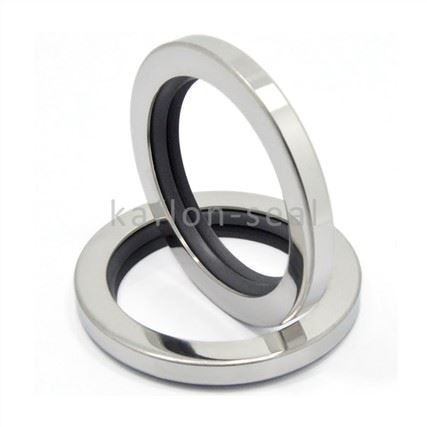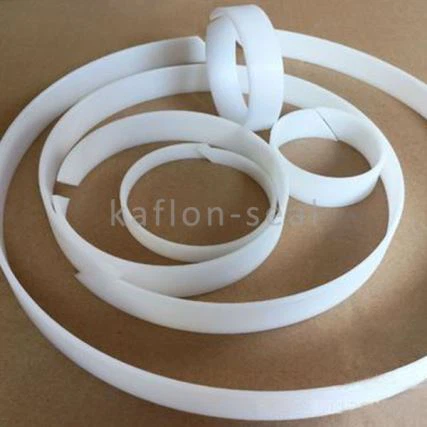

Hey there! As a supplier of hydraulic wear rings, I've seen firsthand how crucial these little components are in keeping hydraulic systems running smoothly. But let's face it, handling hydraulic wear rings isn't always a walk in the park. There are a bunch of precautions you need to take to make sure you're getting the most out of these parts and avoiding any unnecessary headaches. So, in this blog post, I'm gonna share some key handling precautions for hydraulic wear rings that I've picked up over the years.
Storage Precautions
First things first, let's talk about storage. You might think that just tossing your hydraulic wear rings in a drawer and forgetting about them is okay, but that's a big no-no. These rings are sensitive and need to be stored properly to maintain their integrity.
Temperature and Humidity: Hydraulic wear rings should be stored in a cool, dry place. Extreme temperatures and high humidity can cause the materials to degrade over time. For example, if you store them in a hot, humid warehouse, the rubber or plastic components might start to break down, which can lead to leaks and other issues when they're installed in a hydraulic system. Aim for a storage temperature between 20°C and 25°C (68°F and 77°F) and a relative humidity of around 40% to 60%.
Protection from Light: Another thing to keep in mind is light exposure. Prolonged exposure to sunlight or artificial UV light can also damage the materials. So, store your wear rings in opaque containers or in a dark area to prevent any light-induced degradation.
Isolation from Chemicals: Make sure to keep your hydraulic wear rings away from chemicals. Chemicals like solvents, oils, and cleaning agents can react with the materials and cause them to swell, shrink, or become brittle. If you need to clean the storage area, use mild, non - abrasive cleaners and make sure the area is well - ventilated.
Handling During Installation
Now, let's move on to the installation process. This is where a lot of mistakes can happen if you're not careful.
Cleanliness is Key: Before you start installing the hydraulic wear rings, make sure the entire area is clean. Any dirt, dust, or debris can get trapped between the ring and the hydraulic component, which can cause premature wear and damage. Use a clean, lint - free cloth to wipe down the surfaces and make sure they're dry before installation.
Proper Tools: Using the right tools is essential. Don't try to force the wear ring into place with a screwdriver or other inappropriate tools. Instead, use specialized installation tools like ring expanders or installation sleeves. These tools are designed to fit the specific dimensions of the wear ring and the hydraulic component, which helps to prevent damage during installation.
Avoid Scratching: When handling the wear rings, be extremely careful not to scratch them. Scratches can create weak points in the ring, which can lead to leaks and failures. If you notice any scratches on the ring before installation, it's best to replace it with a new one.


Compatibility Checks
You can't just assume that any hydraulic wear ring will work with your system. Compatibility is a big deal.
Material Compatibility: Different hydraulic systems use different types of fluids. You need to make sure that the material of the wear ring is compatible with the hydraulic fluid in your system. For example, if your system uses a synthetic hydraulic fluid, you'll need a wear ring made from a material that can withstand the chemical properties of that fluid. Some common materials for wear rings include PTFE (polytetrafluoroethylene), polyurethane, and rubber. Each material has its own set of compatibility characteristics, so do your research before making a choice.
Size and Fit: The size and fit of the wear ring are also crucial. A ring that's too small won't provide a proper seal, while a ring that's too large can be difficult to install and might not function correctly. Make sure to measure the dimensions of the hydraulic component accurately and choose a wear ring that matches those dimensions precisely.
Maintenance and Inspection
Once the hydraulic wear rings are installed, your job isn't done. Regular maintenance and inspection are necessary to ensure their long - term performance.
Regular Inspections: Set up a regular inspection schedule to check the condition of the wear rings. Look for signs of wear, such as cracks, abrasions, or deformation. If you notice any of these signs, it's time to replace the ring.
Fluid Analysis: Along with inspecting the wear rings, it's also a good idea to perform regular fluid analysis. The condition of the hydraulic fluid can give you clues about the performance of the wear rings. For example, if the fluid contains a lot of debris or metal particles, it could indicate that the wear rings are wearing out.
Types of Hydraulic Wear Rings and Their Special Precautions
There are several types of hydraulic wear rings available in the market, each with its own unique handling precautions.
PTFE Filled With Carbon Glyd Ring: This type of ring is known for its excellent wear resistance and low friction. You can find more information about it PTFE Filled With Carbon Glyd Ring. When handling PTFE filled with carbon Glyd rings, be careful not to over - stretch them during installation. PTFE is a relatively soft material, and over - stretching can cause it to lose its shape and effectiveness.
Wearable Piston Sealing Glyd Ring: These rings are designed to provide a tight seal on pistons. Check out Wearable Piston Sealing Glyd Ring for more details. When installing these rings, make sure the piston surface is smooth and free of any burrs. Burrs can damage the ring and prevent it from creating a proper seal.
Rotary Glyd Ring: Rotary Glyd rings are used in rotating hydraulic components. Learn more about them Rotary Glyd Ring. When handling rotary Glyd rings, pay special attention to the alignment. Misalignment can cause uneven wear and reduce the lifespan of the ring.
Conclusion
In conclusion, handling hydraulic wear rings requires a combination of careful storage, proper installation, compatibility checks, and regular maintenance. By following these precautions, you can ensure that your hydraulic systems operate efficiently and reliably.
If you're in the market for high - quality hydraulic wear rings, we're here to help. We offer a wide range of wear rings that are designed to meet the specific needs of different hydraulic systems. Whether you need a PTFE filled with carbon Glyd ring, a wearable piston sealing Glyd ring, or a rotary Glyd ring, we've got you covered. If you have any questions or want to discuss your procurement needs, don't hesitate to reach out to us. Let's work together to keep your hydraulic systems in top shape!
References
- "Hydraulic Seals Handbook" by ABC Publishing
- "Materials Science for Hydraulic Components" by XYZ University Press
- Industry standards and guidelines from the Hydraulic Equipment Manufacturers Association