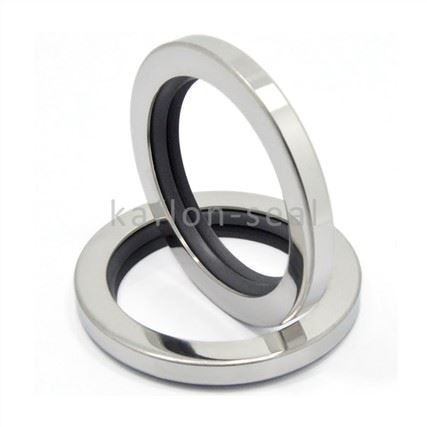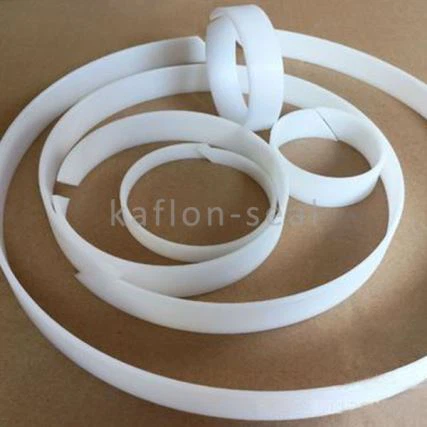

Hey there! As a supplier of hydraulic rod seals, I've seen firsthand how crucial it is to have top - notch dynamic sealing performance. In this blog, I'm gonna share some tips and tricks on how to improve the dynamic sealing performance of a hydraulic rod seal.
First off, let's understand what dynamic sealing in a hydraulic rod seal means. When a hydraulic rod moves back and forth, the seal has to keep the hydraulic fluid from leaking out while also preventing contaminants from getting in. This constant movement creates a lot of stress on the seal, and that's where the challenge lies in maintaining good sealing performance.
Material Selection
The choice of material for your hydraulic rod seal is super important. Different materials have different properties, and you need to pick the one that suits your specific application. For instance, if your hydraulic system operates at high temperatures, you'll want a material that can withstand the heat. Viton is a great option in this case. It has excellent heat resistance and can handle temperatures up to around 200°C.
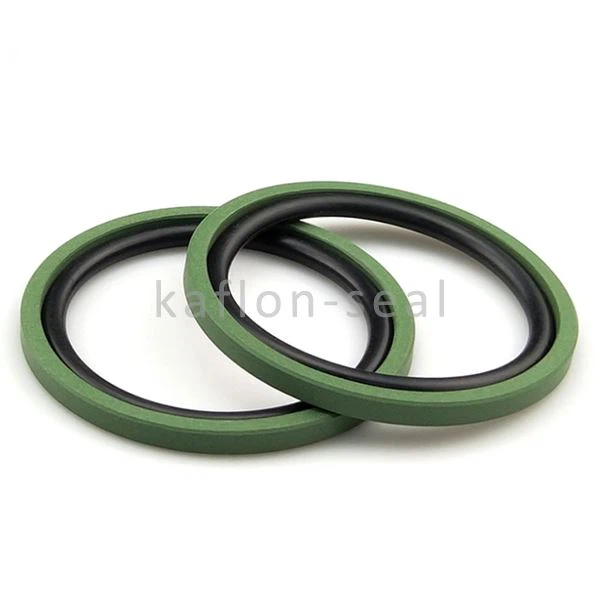
On the other hand, if your system is exposed to a lot of abrasion, polyurethane seals might be the way to go. Polyurethane is tough and wear - resistant, which means it can last longer in harsh environments. Some of our Low Stick And Slip Glyd Ring are made with high - quality materials that offer great dynamic sealing performance. They're designed to reduce stick - slip phenomena, which can really improve the overall efficiency of your hydraulic system.
Seal Design
The design of the seal also plays a huge role in its dynamic sealing performance. A well - designed seal can better adapt to the movement of the rod and maintain a tight seal. For example, our Rod Sealing Step Seal has a unique step design. This design helps to distribute the pressure evenly across the seal, reducing the chances of leakage.
Another important aspect of seal design is the lip geometry. The lip of the seal is what makes contact with the rod, and its shape can affect how well it seals. A properly shaped lip can provide a better seal and also reduce friction. Some seals have a rounded lip, which can reduce wear and tear on the rod and the seal itself.
Surface Finish of the Rod
The surface finish of the rod is often overlooked, but it can have a big impact on the dynamic sealing performance of the hydraulic rod seal. A rough rod surface can cause excessive wear on the seal, leading to leakage. On the other hand, a too - smooth surface might not allow the seal to grip properly.
The ideal surface finish for a hydraulic rod is usually in the range of 0.2 - 0.8 micrometers Ra. This range provides a good balance between reducing friction and allowing the seal to form a tight seal. You can use different methods to achieve the right surface finish, such as grinding or honing.
Lubrication
Lubrication is key when it comes to improving the dynamic sealing performance of a hydraulic rod seal. Proper lubrication reduces friction between the seal and the rod, which in turn reduces wear and tear. It also helps to keep the seal flexible and prevents it from drying out.
You can use different types of lubricants, depending on your application. Mineral oil - based lubricants are commonly used in hydraulic systems. They're cost - effective and offer good lubrication properties. However, if your system has specific requirements, such as being environmentally friendly, you might want to consider using synthetic lubricants.
Installation
Even the best - designed and highest - quality seals can fail if they're not installed correctly. During installation, you need to make sure that the seal is clean and free from any dirt or debris. You also need to use the right tools to install the seal without damaging it.
When installing the seal, it's important to follow the manufacturer's instructions. Some seals require a specific installation method, such as using a special tool to expand the seal before fitting it onto the rod. Incorrect installation can cause the seal to be misaligned, which can lead to leakage and reduced sealing performance.

Maintenance
Regular maintenance is essential for ensuring the long - term dynamic sealing performance of your hydraulic rod seal. You should check the seal regularly for signs of wear, such as cracks, tears, or excessive deformation. If you notice any of these signs, it's important to replace the seal as soon as possible.
You also need to monitor the hydraulic fluid levels and quality. Contaminated hydraulic fluid can cause damage to the seal, so it's important to change the fluid at regular intervals. Additionally, you should check the system for any leaks or abnormal pressure changes, as these can indicate a problem with the seal.
Environmental Factors
The environment in which the hydraulic system operates can also affect the dynamic sealing performance of the rod seal. For example, if the system is exposed to a lot of dust or dirt, the seal is more likely to get contaminated. In such cases, you might need to use additional protective measures, such as dust seals.
Temperature and humidity can also have an impact on the seal. Extreme temperatures can cause the seal material to expand or contract, which can affect its sealing performance. High humidity can lead to corrosion, which can damage the rod and the seal. You need to take these environmental factors into account when selecting and maintaining your hydraulic rod seal.
Testing
Before using a new seal in your hydraulic system, it's a good idea to test it. You can perform various tests, such as pressure tests and leakage tests, to ensure that the seal meets your requirements. These tests can help you identify any potential problems with the seal before it's put into use.
At our company, we conduct rigorous testing on all our Linear Rod Seal to ensure that they offer excellent dynamic sealing performance. We use state - of - the - art testing equipment to simulate real - world conditions and make sure that the seals can withstand the stresses of actual use.
In conclusion, improving the dynamic sealing performance of a hydraulic rod seal involves a combination of factors, including material selection, seal design, surface finish of the rod, lubrication, installation, maintenance, environmental factors, and testing. By paying attention to these aspects, you can ensure that your hydraulic system operates efficiently and reliably.
If you're looking for high - quality hydraulic rod seals or need more advice on improving dynamic sealing performance, don't hesitate to get in touch with us. We're here to help you find the best solutions for your hydraulic system.
References
- "Hydraulic Seals Handbook" by John Doe
- "Sealing Technology in Hydraulic Systems" by Jane Smith
- Industry reports on hydraulic system performance and sealing technology.