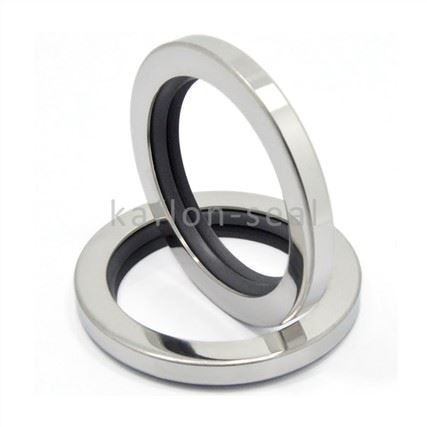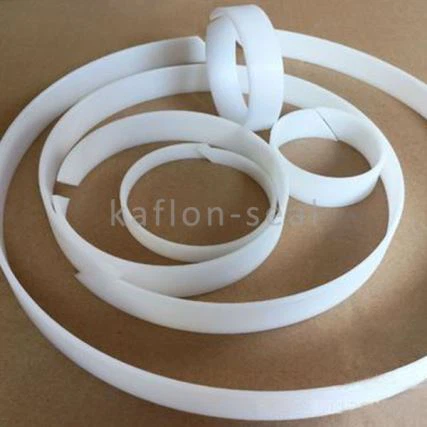

As a supplier of Polyurethanes Seal, I've witnessed firsthand the importance of these seals in various industrial applications. Polyurethanes seals are renowned for their excellent mechanical properties, abrasion resistance, and chemical stability. However, like any other engineering component, they are not immune to failure. Understanding the common failure modes of polyurethanes seals is crucial for ensuring their optimal performance and longevity. In this blog post, I'll delve into the most prevalent failure modes of polyurethanes seals and discuss how to prevent them.
1. Abrasion and Wear
One of the most common failure modes of polyurethanes seals is abrasion and wear. Polyurethanes seals are often used in applications where they come into contact with rough surfaces or moving parts. Over time, this contact can cause the seal material to wear down, leading to a loss of sealing effectiveness.
The primary cause of abrasion and wear is the presence of abrasive particles in the operating environment. These particles can be dirt, dust, metal shavings, or other contaminants. When these particles are trapped between the seal and the mating surface, they act as abrasives, gradually wearing away the seal material.
Another factor that can contribute to abrasion and wear is excessive pressure or high-speed movement. When a seal is subjected to high pressure or rapid movement, the friction between the seal and the mating surface increases, accelerating the wear process.
To prevent abrasion and wear, it's essential to choose the right type of polyurethane seal for the application. Seals with high abrasion resistance, such as those made from Polyurethane, are ideal for applications where there is a high risk of abrasion. Additionally, proper lubrication can help reduce friction and wear. Regular maintenance and cleaning of the operating environment can also help remove abrasive particles and prevent them from causing damage to the seals.
2. Chemical Attack
Polyurethanes seals can also fail due to chemical attack. Polyurethane is a polymer that can be susceptible to certain chemicals, depending on its formulation. When a seal comes into contact with a chemical that it is not compatible with, the chemical can react with the seal material, causing it to swell, crack, or degrade.
Common chemicals that can cause chemical attack on polyurethanes seals include solvents, acids, bases, and some types of oils. For example, Propane Resistance PU Seal Ring is designed to resist the effects of propane, but it may not be suitable for use with other chemicals. Similarly, Paraffin Oil Resistance TPU Seal is formulated to withstand the presence of paraffin oil, but it may be vulnerable to other types of oils or chemicals.
To prevent chemical attack, it's crucial to select a polyurethane seal that is compatible with the chemicals present in the operating environment. Before choosing a seal, it's important to consult the chemical compatibility chart provided by the seal manufacturer. Additionally, proper storage and handling of chemicals can help prevent accidental contact with the seals.
3. Compression Set
Compression set is another common failure mode of polyurethanes seals. Compression set occurs when a seal is compressed for an extended period and loses its ability to return to its original shape. This can happen when a seal is installed in a static application where it is constantly under pressure.
The primary cause of compression set is the viscoelastic nature of polyurethane. When a polyurethane seal is compressed, the polymer chains within the material are deformed. Over time, these chains can become permanently set in their deformed state, preventing the seal from returning to its original shape.
Factors that can contribute to compression set include high temperature, high pressure, and long-term compression. High temperatures can accelerate the relaxation of the polymer chains, making the seal more prone to compression set. Similarly, high pressure can increase the deformation of the seal material, leading to a higher risk of compression set.
To prevent compression set, it's important to choose a polyurethane seal with low compression set properties. Additionally, proper installation and design of the sealing system can help reduce the amount of compression on the seal. For example, using a seal with a larger cross-section or a lower compression ratio can help minimize the risk of compression set.
4. Thermal Degradation
Polyurethanes seals can also fail due to thermal degradation. Polyurethane is a thermoplastic polymer, which means that it can be affected by high temperatures. When a seal is exposed to temperatures above its maximum operating temperature, the polymer chains within the material can break down, leading to a loss of mechanical properties and sealing effectiveness.
The primary cause of thermal degradation is excessive heat. This can occur in applications where the seal is exposed to high-temperature fluids, gases, or environments. For example, in automotive engines, seals are often exposed to high temperatures due to the combustion process.
Factors that can contribute to thermal degradation include the duration of exposure to high temperatures, the type of polyurethane used, and the presence of other chemicals or contaminants. Prolonged exposure to high temperatures can accelerate the degradation process, while certain types of polyurethane may be more resistant to thermal degradation than others.
To prevent thermal degradation, it's important to choose a polyurethane seal with a high-temperature rating. Additionally, proper insulation and cooling of the operating environment can help reduce the temperature of the seal. Regular monitoring of the operating temperature can also help detect any potential issues before they lead to seal failure.
5. Installation Errors
Finally, installation errors can also lead to the failure of polyurethanes seals. Improper installation can cause the seal to be damaged, misaligned, or overcompressed, which can compromise its sealing effectiveness.
Common installation errors include cutting the seal to the wrong size, installing the seal in the wrong orientation, and using excessive force during installation. Cutting the seal to the wrong size can result in a poor fit, which can allow fluids or gases to leak past the seal. Installing the seal in the wrong orientation can also prevent it from functioning properly, as the seal may not be able to form a proper seal with the mating surface. Using excessive force during installation can damage the seal material, leading to premature failure.
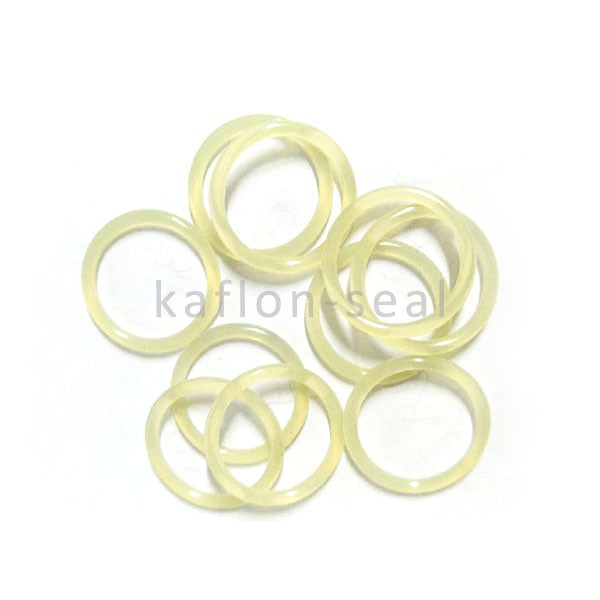
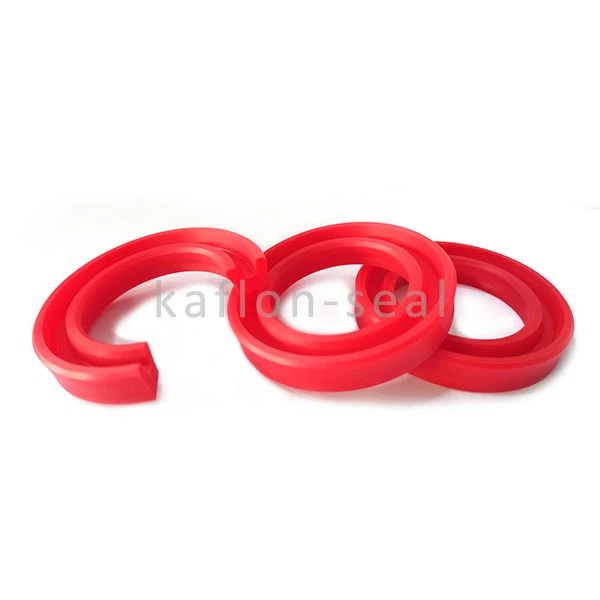
To prevent installation errors, it's important to follow the installation instructions provided by the seal manufacturer. Additionally, proper training of installation personnel can help ensure that the seals are installed correctly. Using the right tools and equipment for installation can also help prevent damage to the seals.
Conclusion
In conclusion, understanding the common failure modes of polyurethanes seals is essential for ensuring their optimal performance and longevity. By choosing the right type of seal for the application, taking proper care of the seals, and following correct installation procedures, you can minimize the risk of seal failure and avoid costly downtime and repairs.
If you're in need of high-quality polyurethanes seals or have any questions about seal selection and application, please don't hesitate to contact us. Our team of experts is ready to assist you in finding the best sealing solutions for your specific needs.
References
- "Polyurethane Elastomers: Chemistry, Technology, and Applications" by K. C. Frisch and D. Klempner
- "Sealing Technology Handbook" by John S. Watson
- "Handbook of Elastomers" edited by B. D. Bhushan